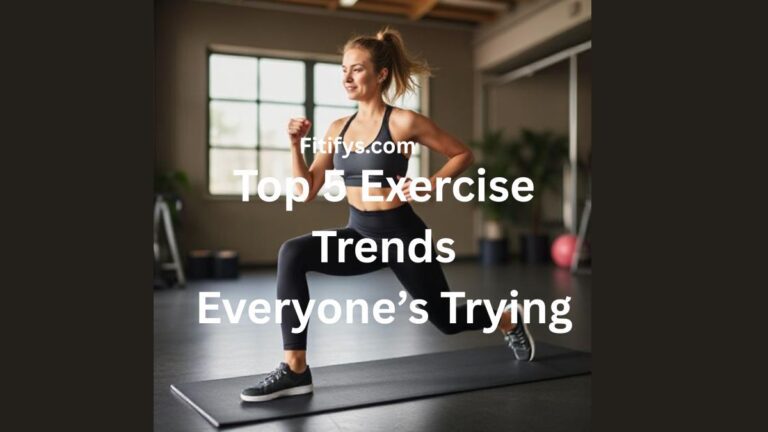

10 Fitness Habits That Will Change Your Life
Ten fitness habits that can significantly improve your life include incorporating regular exercise, prioritizing sleep, staying hydrated, and focusing on a balanced diet. Additionally, managing stress through techniques like mindfulness or meditation, staying active throughout the day, and preparing for workouts the night before can make a positive impact. Finally, tracking your progress, celebrating small wins, and finding enjoyable activities are crucial for long-term success.
Introduction: It’s Not About Perfection, It’s About Progress
Let’s be honest—fitness can feel overwhelming. With all the diets, workout trends, and “do this, not that” advice out there, it’s easy to give up before you even start.
But here’s the good news: life-changing fitness doesn’t happen in one giant leap. It’s about the little things you do every day.
These 10 simple fitness habits aren’t just about losing weight or looking good (although that can happen too). They’re about building a lifestyle that supports your energy, mood, strength, and confidence—long term.
Let’s get into it.
1. Move Your Body Every Day—Even If It’s Just for 10 Minutes

Moving your body every day is crucial for overall health and well-being, offering benefits like improved mood, reduced fatigue, and enhanced cognitive function. It can also help prevent chronic diseases such as heart disease, type 2 diabetes, and obesity. Making physical activity a daily habit is easier than you might think, with options ranging from structured workouts to incorporating movement into everyday tasks.
No gym? No problem. You don’t need a 90-minute sweat session to stay fit.
Why it works: Daily movement helps boost your mood, increase circulation, and keep your muscles and joints happy.
Try this:
- Take a walk after meals
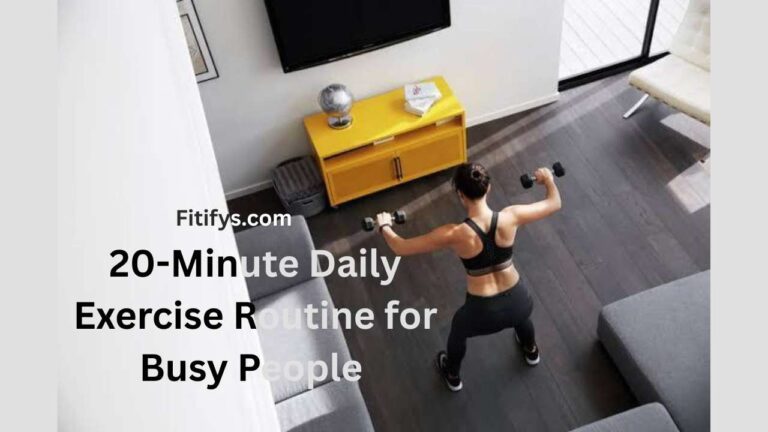
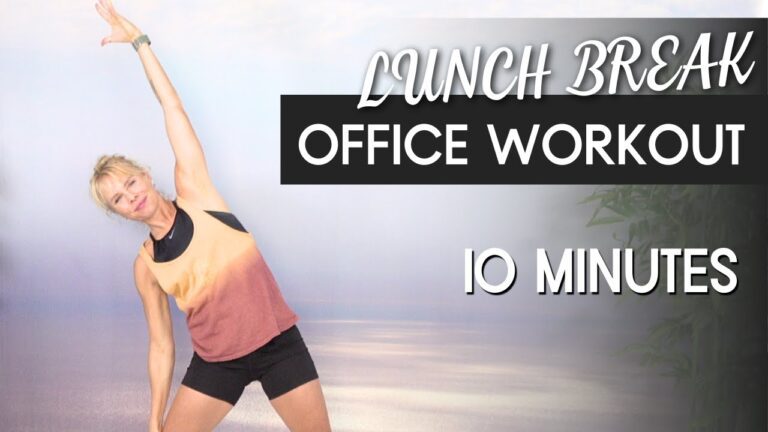
- Do 10-minute bodyweight workouts (check out our quick routines on fitifys.com
- Dance in your room—yes, that counts!
The key is consistency, not intensity.
2. Start Your Day with a Glass of Water

Starting the day with a glass of water can offer several health benefits. It helps rehydrate the body after sleep, boosts metabolism, aids in detoxification, and can improve digestion, skin health, and brain function. It can also enhance mood, energy levels, and support weight management.
Before coffee. Before breakfast. Before scrolling your phone.
One glass of water first thing in the morning wakes up your system, helps digestion, and can even boost your metabolism.
Keep a water bottle by your bed as a reminder. Small habit, big payoff.
3. Make Strength Training Part of Your Routine
You don’t have to lift heavy weights or spend hours in the gym.
But building muscle helps you burn more fat, improve posture, and stay strong as you age.

To make strength training a part of your routine, begin by incorporating it 2-3 times per week, focusing on 2-3 sets of 8-15 repetitions for each exercise. Choose a weight that challenges you by the last rep of each set while maintaining proper form. Start with fundamental exercises like squats, deadlifts, and push-ups, and gradually increase the weight or resistance as you get stronger.
Simple strength ideas:
- Resistance bands (they’re affordable and beginner-friendly)
- Bodyweight exercises like squats, push-ups, and planks
- Light dumbbell circuits at home
Aim for 2–3 sessions a week. Your future self will thank you.
4. Fuel Your Body—Not Just Feed It
Fitness starts in the kitchen. And no, that doesn’t mean giving up your favorite foods.

Eating may feel good in the moment, but the feelings that triggered the eating are still there.
And you often feel worse than you did before because of the unnecessary calories you’ve just consumed.
We don’t always eat just to satisfy hunger, we turn to food to relieve stress or cope with unpleasant emotions such as sadness, loneliness, or boredom etc.
Because not only does the original emotional issues remain, but we also feel guilty for overeating.
Focus on adding more of the good stuff:
- Protein at every meal (eggs, lentils, yogurt, chicken)
- Colorful veggies and fruits
- Healthy fats like nuts, seeds, and avocado
- Whole grains over processed carbs
Think balance, not restriction. Eating well should feel good—not like punishment.
5. Make Sleep a Priority

Prioritizing sleep is crucial for both physical and mental well-being. Establishing a consistent sleep schedule, creating a relaxing bedtime routine, and optimizing your sleep environment can significantly improve sleep quality.
You can crush every workout and eat kale all day, but if you’re not sleeping well, your body won’t recover.
Sleep supports:
- Muscle repair
- Fat burning
- Hormonal balance
- Mental health
Try going to bed and waking up at the same time every day.
Bonus: Cut screen time 30 minutes before bed for better sleep.
6. Stretch (Even If You’re Not “Flexible”)
Most of us sit too much—at desks, in cars, on the couch. That tightens up our hips, back, and shoulders.

Yes, even if you’re not naturally flexible, you can still benefit from stretching and improve your range of motion. Stretching keeps muscles healthy and flexible, maintaining joint mobility. Regular stretching, even for those who aren’t naturally flexible, can help prevent injury and improve overall movement.
Stretching keeps the muscles flexible and healthy, and we need that flexibility to maintain a range of motion in the joints. Without it, the muscles shorten and become tight. Then, when you call on the muscles for activity, they are unable to extend all the way. That puts you at risk for joint pain, strains, and muscle damage.
Regular stretching keeps muscles long, lean, and flexible, and this means that exertion won’t put too much force on the muscle itself. Healthy muscles also help a person with balance problems avoid falls.
Make stretching a habit:
- Do a quick stretch when you wake up
- Add 5 minutes of stretching after your workout
- Use it as a wind-down routine before bed
You’ll feel looser, move better, and reduce your risk of injury.
7. Find Workouts You Actually Enjoy
To find workouts you actually enjoy, experiment with different activities, find your fitness personality, and make it social and fun. Consider activities you find relaxing or enjoyable in your leisure time, and think about what types of movement spark joy.

Understanding the different types of exercises and how to incorporate them into your weekly routine can help you start exercising. Some tips, such as joining a fitness class or doing mini-workouts, can help make exercise a long-term habit.
Fitness isn’t punishment—it should be something you look forward to.
Not into the gym?
- Try YouTube workouts at home
- Hike or bike outdoors
- Join a dance or boxing class
- Try yoga, pilates, or martial arts
Enjoyment = consistency. And consistency = results.
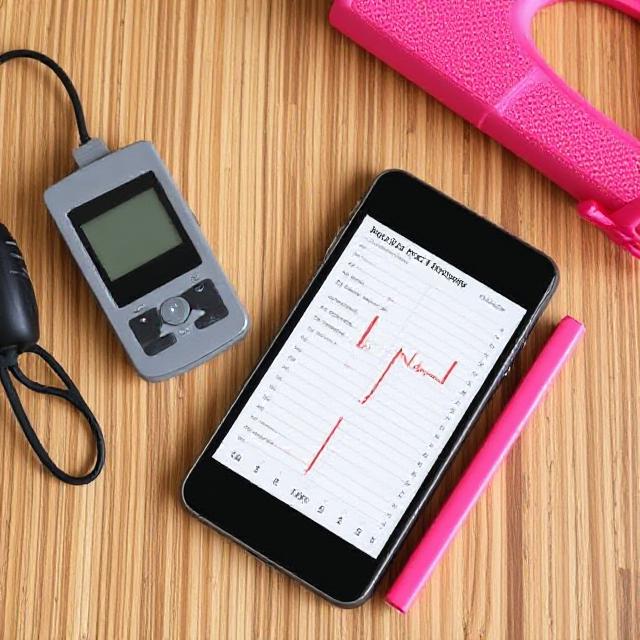
8. Track Your Wins—Not Just the Scale
The number on the scale doesn’t tell the whole story. In fact, it can be misleading.

Focusing solely on the scale for tracking weight loss progress can be limiting. Recognizing and celebrating non-scale victories (NSVs), such as increased energy, improved sleep, or better fitting clothes, provides a more holistic and motivating approach. These NSVs reflect positive changes in your health and well-being, reinforcing your efforts beyond just the number on the scale.
Instead, track:
- How your clothes fit
- Your energy levels
- Strength improvements (more push-ups? Heavier weights?)
- Better sleep
- Mood boosts
Celebrate non-scale victories—they’re the real signs of progress.
9. Make Movement Social
Working out alone can be tough. Adding a social element makes it more fun and motivating.
Try this:
- Invite a friend for a walk or run
- Join a group class
- Set fitness goals with a partner or coworker
- Do a challenge with your Fitifys community!
Accountability can be a game-changer—especially on days when your motivation dips.
10. Be Kind to Yourself on “Off” Days
Missed a workout? Ate a whole pizza? Slept through your alarm?
You’re human. Life happens.
Fitness success isn’t about being perfect—it’s about bouncing back.

On “off” days, it’s crucial to practice self-compassion and treat yourself with the same kindness and understanding you would offer a friend. This means acknowledging that it’s okay to not be at your best, and actively choosing actions that nurture your well-being.
Instead of quitting, reset. Every meal, every workout, and every morning is a new chance to show up for yourself.
Real Talk: How These Habits Helped Sara Change Her Life
Sara, a 42-year-old teacher, used to feel exhausted, achy, and out of shape. She didn’t have time for hour-long workouts or fad diets. So she started small:
- Walked during lunch breaks
- Cooked more meals at home
- Stretched each morning
- Added short resistance workouts twice a week
Now, she’s 20 lbs lighter, has more energy, sleeps better, and feels more confident.
Her advice? “Start with one habit. Just one. And keep going.”
Final Thoughts.
Pick one habit from this list. Do it for a week. Then add another.
Fitness isn’t a 30-day challenge or a quick fix.
It’s a lifestyle. And the great news is—you’re in control of how it looks for you.
You’ve got this. Your body is worth it. Your energy is worth it. Your life is worth it.
Fitness isn’t about perfection—it’s about progress. These 10 habits aren’t just tips; they’re stepping stones toward a healthier, stronger, and more confident version of yourself. Start small, stay consistent, and give yourself grace along the way.
Remember, real change doesn’t happen overnight, but with daily effort, it becomes your new normal. Whether it’s a morning walk, staying hydrated, or choosing movement over sitting still—every little habit adds up.
Let’s build those habits—one step at a time.
So keep showing up for yourself. Your future self will thank you.
FAQs About Fitness Habits
Q1: How long does it take to see results from new fitness habits?
Most people notice small changes (like more energy or better mood) within 2–4 weeks. Physical changes may take 6–8 weeks, depending on consistency and starting point. The key is to stick with it!
Q2: What’s the best habit to start with if I’m totally new to fitness?
Start with daily movement—even just 10 minutes of walking. It’s simple, doable, and helps you build momentum. From there, add strength or flexibility work.
Q3: How do I stay motivated to keep going?
Focus on how you feel, not just how you look. Track your wins, find an accountability buddy, and celebrate your progress. Don’t aim for perfect—just aim for progress.