
The Science Behind Breathwork and Health
How simple breathing techniques can change your body and mind
We breathe all day, every day—yet most of us don’t give it a second thought. Breathing happens naturally, but here’s the catch: how you breathe can actually make a big difference to your health. This is where breathwork comes in.
Breathwork is more than just “taking deep breaths.” It’s the practice of intentionally controlling your breathing to support your physical, emotional, and mental well-being. From calming anxiety to boosting energy, research shows that the way we breathe has real science-backed effects on the body.
So, let’s break it down—what exactly is breathwork, why does it matter, and how can you use it to feel better every day?
What Is Breathwork?
Think of breathwork as “exercise for your lungs and nervous system.” Instead of mindless breathing, you take control of your breath through specific techniques. Some are slow and calming, others are quick and energizing.
You may have heard of practices like:
- Diaphragmatic breathing (belly breathing) – focusing on deep breaths that expand your belly instead of shallow chest breaths.
- Box breathing – inhaling, holding, exhaling, and holding again for equal counts.
- Alternate nostril breathing – breathing through one nostril at a time to balance energy.
- Wim Hof breathing – powerful, rhythmic breaths followed by breath holds.
While each style is different, they all share one goal: to connect your mind and body through the breath.
The Science of Breathwork: How It Affects the Body
Breathwork affects the body by influencing the nervous and circulatory systems, reducing stress hormones like cortisol, and improving oxygen levels. Deep, slow breathing stimulates the parasympathetic nervous system and vague nerve, leading to a “rest-and-digest” state that lowers heart rate and blood pressure. Conversely, shallow, rapid breaths activate the “fight-or-flight” sympathetic nervous system, creating short-term stress responses that can build resilience. Regular practice of breathwork can improve mood, lung function, and overall well-being.
Breathwork may sound “woo-woo” at first, but science backs up its benefits. Here’s what happens in your body when you breathe intentionally:
1. Activates the Parasympathetic Nervous System
When you slow down your breath, especially by extending your exhale, you activate the parasympathetic nervous system (the “rest and digest” system). This lowers your heart rate and blood pressure, helping you feel calm and centered.
2. Reduces Stress Hormones
Studies show that deep breathing can lower cortisol, the body’s main stress hormone. That’s why breathwork is often recommended for people dealing with anxiety, tension, or burnout.
3. Improves Oxygen Exchange
Shallow breathing keeps oxygen intake low. Breathwork encourages fuller breaths, improving oxygen delivery to your brain and muscles, which can enhance focus, clarity, and energy.
4. Balances the Autonomic Nervous System
The autonomic nervous system controls unconscious body functions like digestion, heartbeat, and blood flow. Breathwork helps balance the two sides—sympathetic (fight-or-flight) and parasympathetic (rest-and-digest)—so your body works more efficiently.
5. Strengthens the Respiratory System
Just like exercising your muscles, practicing breathwork strengthens your diaphragm and lung capacity, making breathing more efficient over time.
Health Benefits of Breathwork
So, why should you make breathwork part of your daily life? Here are some science-backed benefits:
- Stress relief and relaxation – lowers cortisol and calms racing thoughts.
- Better sleep – deep breathing helps signal to your brain that it’s safe to rest.
- Improved focus – steady breathing increases oxygen to the brain for sharper thinking.
- Stronger emotional balance – slows the stress response, making you less reactive.
- Boosted immunity – stress reduction can improve immune function.
- Increased energy – some techniques (like Wim Hof breathing) can give a natural energy boost.
- Lower blood pressure – deep breathing supports heart health by relaxing blood vessels.
Real-World Example: Using Breathwork in Daily Life
Imagine this: You’re stuck in traffic, running late for a meeting, and you can feel your stress rising. Instead of letting your mind spiral, you take 5 slow breaths—inhale for 4 counts, exhale for 6 counts. Within minutes, your shoulders relax, your heart rate slows, and your brain feels clearer.
That’s the power of breathwork—accessible anytime, anywhere. You don’t need special equipment, a gym, or even privacy. Just your lungs.
Simple Breathwork Techniques You Can Try
Simple breathwork techniques include Box Breathing, where you inhale, hold, exhale, and pause for equal counts, often for 4 seconds each; 4-7-8 Breathing, involving inhaling for 4 counts, holding for 7, and exhaling for 8; and Equal Breathing (Resonance Breathing), where you focus on a balanced, slow inhale and exhale, such as 6 seconds each. Alternate Nostril Breathing, involves using your fingers to close off one nostril while breathing through the other, alternating sides.
Let’s go practical. Here are some beginner-friendly breathwork techniques you can start with today:
1. Box Breathing (Calming and Focusing)
Box breathing, or square breathing, is a four-step technique where you inhale, hold, exhale, and hold your breath for an equal count, typically four seconds each, to calm the nervous system, reduce stress, and improve focus. This simple, portable exercise is helpful in stressful situations, before public speaking, or to recenter during a busy day, as its rhythmic pattern helps regulate your breath and body’s response to stress.
- Inhale through your nose for 4 counts.
- Hold your breath for 4 counts.
- Exhale through your mouth for 4 counts.
- Hold again for 4 counts.
Repeat 3–5 rounds. Great before stressful situations.
2. 4-7-8 Breathing (Better Sleep)
The 4-7-8 breathing technique helps to calm the nervous system and can be a useful tool for improving sleep by promoting relaxation and reducing anxiety. To perform the technique, sit comfortably with your tongue tip behind your upper front teeth, exhale completely, inhale through your nose for a count of four, hold for seven, and then exhale forcefully through your mouth for eight. Repeat this cycle up to four times, but avoid doing it more than four breaths for the first month of practice.
- Inhale deeply for 4 counts.
- Hold your breath for 7 counts.
- Exhale slowly for 8 counts.
Repeat 4 rounds. Perfect before bedtime.
3. Alternate Nostril Breathing (Balance and Clarity)
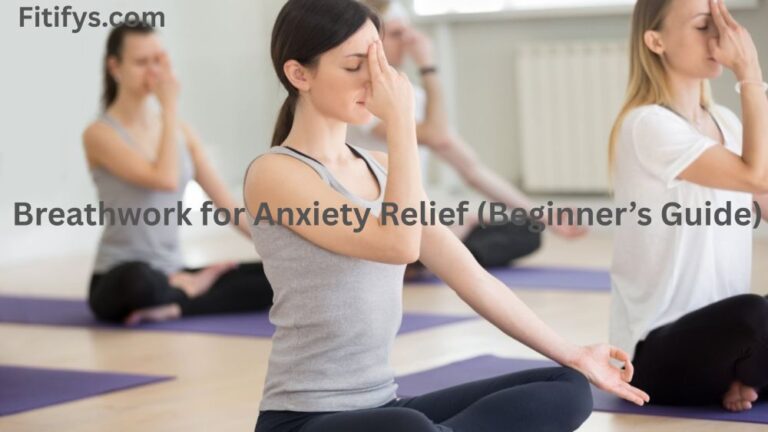
Alternate Nostril Breathing, or Nadi Shodhana, is a yogic practice that balances your body’s energy channels (nadis) and promotes mental clarity and relaxation by regulating the breath through each nostril. To perform it, sit upright, close your right nostril with your thumb, and inhale through your left. Then, close your left nostril with your fingers, release your right nostril, and exhale. Continue by inhaling through the right, closing it, and exhaling through the left to complete one cycle.
- Close your right nostril, inhale through the left.
- Close the left nostril, exhale through the right.
- Inhale through the right nostril.
- Close the right nostril, exhale through the left.
Repeat for 5 minutes. This balances energy and focus.
4. Wim Hof Breathing (Energy Boost)
Wim Hof Breathing provides an energy boost through a technique of controlled hyperventilation, increasing oxygen levels and buffering CO2 to fuel the body and mind. To practice, you perform 30-40 deep, powerful breaths, hold your breath on an empty exhale, and then take a recovery breath for about 15 seconds, repeating for several rounds to achieve increased energy, mental clarity, and physical performance.
- Inhale deeply through the nose or mouth.
- Exhale without force.
- Repeat 30–40 breaths, then hold your breath after the last exhale.
- When you feel the urge, inhale deeply and hold for 15 seconds.
Do 3–4 rounds. Best done sitting or lying down (not while driving).
Tips for Making Breathwork a Habit
Like any healthy practice, consistency matters. Here are some tips:
- Start small—just 5 minutes a day.
- Tie it to an existing habit (like after brushing your teeth).
- Use a timer or guided breathwork app.
- Practice before stressful moments (meetings, workouts, bedtime).
- Journal how you feel after sessions to track progress.
Final Thoughts
Breathwork is proof that sometimes the simplest tools are the most powerful. You don’t need expensive equipment, long workouts, or complicated routines—just your breath.
By practicing intentional breathing, you can reduce stress, sleep better, think clearer, and feel more balanced. The science is clear: your breath is a natural, built-in tool for better health.
So the next time you feel stressed, anxious, or tired—pause, take a deep breath, and let your body guide you back to balance.
FAQs About Breathwork
1. How long should I practice breathwork each day?
Even 5–10 minutes a day can make a big difference. With consistency, you’ll notice reduced stress and improved focus.
2. Is breathwork safe for everyone?
Yes, but if you have lung conditions (like asthma or COPD) or heart issues, talk to your doctor before starting. Some intense methods (like Wim Hof breathing) should be practiced with caution.
3. Can breathwork replace meditation?
Breathwork is a form of meditation, but it’s more active. For some people, it’s easier to focus on breathing than on “clearing the mind,” making it a great alternative or complement to meditation.