Student Mental Health: How to Cope With Academic Pressure
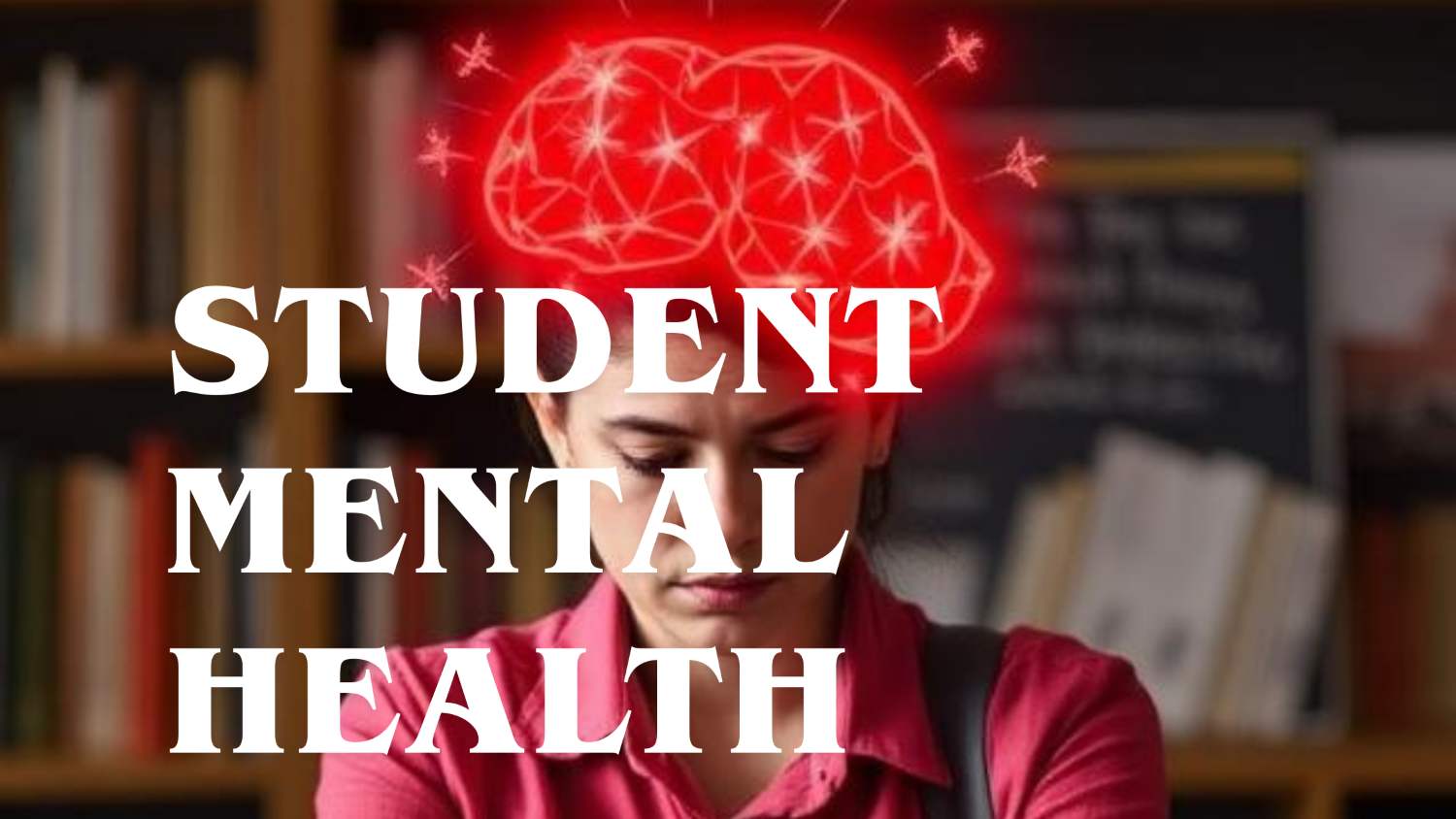
Academic life can be exciting, but it often comes with intense pressure. Deadlines, exams, expectations, and fears about the future can slowly turn motivation into stress. For many students, this pressure affects sleep, mood, focus, and overall mental health. The good news is that academic stress is manageable when approached in healthy, realistic ways.
Supporting student mental health isn’t about removing challenges—it’s about learning how to cope with them. Small habits, mindset shifts, and support systems can make a big difference. Below are practical, student-friendly strategies that help reduce academic pressure and protect mental well-being while still working toward success.
1. Recognizing the Signs of Academic Stress

One of the first steps in protecting mental health is recognizing when stress becomes too much. Common signs include constant worry about grades, trouble sleeping, lack of motivation, frequent headaches, or feeling emotionally drained. Many students ignore these signals, assuming stress is just “part of school,” but untreated stress can lead to burnout or anxiety over time.
Academic pressure often shows up emotionally as irritability, self-doubt, or feeling never good enough. When stress starts affecting daily life, concentration, or personal relationships, it’s a sign to pause and reassess. Awareness helps students take action early instead of waiting until the pressure becomes overwhelming.
2. Creating a Realistic Study Routine

A realistic study routine can significantly reduce academic pressure. Instead of cramming for hours, breaking tasks into smaller, manageable chunks helps the brain stay focused and calm. Short study sessions with regular breaks improve retention and prevent mental exhaustion. Consistency matters far more than long, stressful study marathons.
Planning ahead also reduces last-minute panic. Using a planner or digital calendar helps students visualize deadlines and avoid overwhelm. A balanced routine that includes study time, rest, and personal activities makes academics feel more controlled and less chaotic, giving students a sense of stability during busy school periods.
3. Letting Go of Perfectionism

Perfectionism is a major source of academic stress. Many students feel intense pressure to achieve perfect grades, fearing failure or disappointing others. While aiming high isn’t harmful, expecting perfection can lead to constant anxiety and self-criticism. Mistakes are part of learning—not proof of inadequacy.
Letting go of perfection means focusing on progress rather than flawless results. Students who allow themselves to learn from errors often feel less pressure and more confidence. Shifting the goal from “being perfect” to “doing your best” creates a healthier relationship with education and protects mental well-being in the long run.
4. Prioritizing Sleep and Physical Health

Sleep is often the first thing students sacrifice, but it plays a critical role in mental health. Poor sleep increases stress, weakens focus, and worsens mood, making academic pressure feel heavier than it actually is. Consistent sleep schedules and quality rest help the brain process information and manage emotions better.
Physical health also supports mental resilience. Regular movement, even simple walks, boosts mood and reduces anxiety. Balanced meals and hydration improve energy levels and concentration. When the body is well cared for, academic challenges feel more manageable, allowing students to perform better without pushing themselves to exhaustion.
5. Talking About Stress and Asking for Support

Handling academic pressure alone can make stress feel overwhelming. Talking to friends, family members, or classmates helps students feel understood and less isolated. Sharing struggles doesn’t mean weakness—it’s part of healthy coping. Often, students discover others are experiencing similar pressures.
Seeking professional support is also important. School counselors, mental health services, or trusted mentors can provide guidance and coping tools. Asking for help early can prevent stress from escalating. Support systems remind students that their worth is not defined by grades alone.
6. Redefining Success for Yourself

Academic pressure often comes from unrealistic definitions of success. Social comparisons, parental expectations, and social media can make students feel like they’re falling behind. Redefining success based on personal goals, growth, and well-being helps reduce unnecessary pressure.
Success doesn’t look the same for everyone. For some, it’s improving focus or maintaining balance, not just earning top grades. When students align their goals with their values, school becomes a journey instead of a constant competition. This mindset shift supports mental health while still encouraging effort and progress.
Final Thoughts: Protecting Student Mental Health
Academic pressure is common, but it doesn’t have to control a student’s life. With awareness, structure, self-compassion, and support, students can manage stress in healthier ways. Mental well-being isn’t separate from academic success—it supports it.
Learning how to cope with pressure builds skills students will use far beyond the classroom. By prioritizing mental health alongside education, students can thrive academically while also protecting their emotional well-being.
Frequently Asked Questions (FAQs)
1. How does academic pressure affect student mental health?
Academic pressure can increase stress, anxiety, and exhaustion in students. Constant deadlines, exams, and high expectations may lead to burnout, poor sleep, lack of focus, and low motivation. Over time, unmanaged academic stress can negatively affect emotional well-being and overall mental health.
2. What are common signs of academic stress in students?
Common signs include constant worry about grades, difficulty sleeping, feeling overwhelmed, lack of concentration, irritability, headaches, or feeling emotionally drained. Some students may also lose interest in activities they once enjoyed or experience frequent fatigue during the school term.
3. How can students reduce academic stress naturally?
Students can reduce stress by creating realistic study schedules, taking regular breaks, getting enough sleep, staying physically active, and practicing relaxation techniques like deep breathing. Talking to friends, family, or counselors also helps relieve emotional pressure and prevent burnout.
4. Is asking for help a sign of weakness for students?
No, asking for help is a sign of self-awareness and strength. Seeking support from teachers, counselors, or mental health professionals can provide guidance and coping tools. Getting help early can prevent stress from becoming overwhelming and support long-term mental well-being.
5. Can managing stress improve academic performance
Yes, managing stress often improves academic performance. When students feel mentally balanced, they can focus better, retain information more easily, and stay motivated. Healthy coping strategies help students handle challenges more effectively without sacrificing their mental health.