Hydration Tips for Better Fitness Results
When it comes to improving fitness results, most people focus on workouts and nutrition—but hydration often gets overlooked. Water plays a huge role in how your body performs, recovers, and adapts to exercise. Even mild dehydration can affect your energy levels, strength, and endurance more than you might expect.
Whether your goal is weight loss, muscle building, or overall fitness, staying properly hydrated can help you train better and recover faster. The good news is that improving hydration doesn’t require complicated rules. Small, consistent habits can make a noticeable difference in how you feel during and after workouts.
1. Why Hydration Matters for Fitness Performance
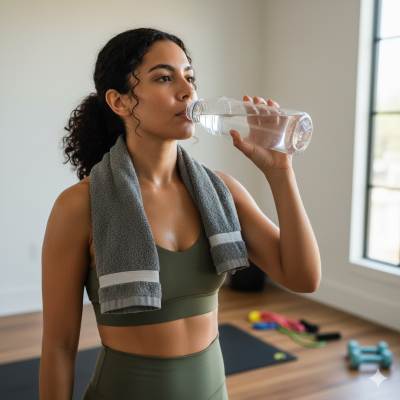
Water is essential for nearly every function in the body, especially during exercise. It helps regulate body temperature, lubricate joints, transport nutrients, and support muscle contractions. When you’re hydrated, your heart doesn’t have to work as hard, and your muscles can perform more efficiently during workouts.
Dehydration, even at low levels, can reduce strength, endurance, and focus. You may feel tired sooner, experience muscle cramps, or struggle to push through sessions. Staying hydrated supports better stamina, smoother movement, and more productive workouts—helping you get real results from your fitness routine.
2. How Dehydration Affects Workout Results
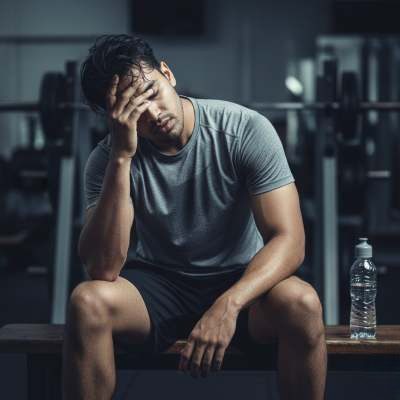
Dehydration doesn’t just make you feel thirsty—it can quietly impact your fitness progress. When your body lacks fluids, blood volume decreases, making it harder to deliver oxygen and nutrients to working muscles. This leads to early fatigue and reduced workout intensity, even if you don’t realize hydration is the issue.
Over time, repeated dehydrated workouts can slow progress. Poor hydration may increase recovery time, worsen soreness, and raise the risk of injury. If workouts feel harder than usual or results feel stuck, hydration could be the missing piece holding back your fitness gains.
| Phase | Time | Action |
| Before | 2–3 hours pre-workout | Drink 17–20 ounces (approx. 2 cups) of water. |
| During | Every 15–20 minutes | Drink 7–10 ounces (a few large sips). |
| After | Within 30 minutes post-workout | Drink 16–24 ounces for every pound of body weight lost during the session. |
3. How Much Water Do You Really Need?
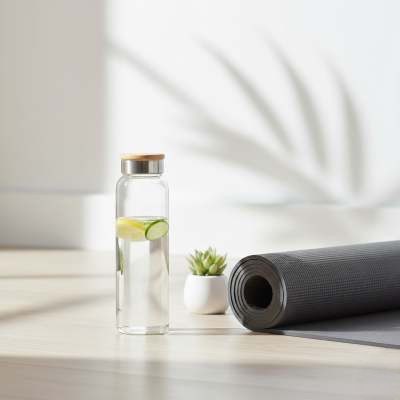
There’s no one-size-fits-all number for hydration, but consistency matters more than exact ounces. Water needs depend on factors like body size, activity level, sweat rate, and climate. A good starting point is drinking regularly throughout the day, not just during workouts.
During exercise, sip water every 10–20 minutes, especially for longer or intense sessions. After workouts, rehydrate to replace fluids lost through sweat. A simple hydration check is urine color—light yellow usually signals good hydration. Listening to your body is key to staying properly fueled.
4. Smart Hydration Before, During, and After Workouts
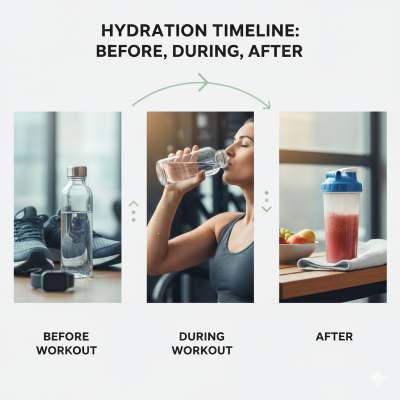
Drinking water before exercise helps prepare your body for physical demands. Aim to hydrate at least 1–2 hours before workouts rather than chugging water right before starting. This allows fluids to absorb and reduces discomfort during movement.
During workouts, small sips are better than large gulps. After exercise, focus on replenishing what you lost. Pairing water with a balanced meal or light electrolytes can support recovery, especially after long sessions. Consistent hydration around workouts improves performance and speeds up post-exercise recovery.
5. The Role of Electrolytes in Fitness
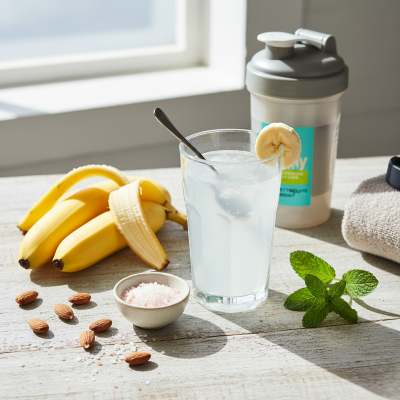
For most everyday workouts, plain water is enough. However, if you exercise for long periods, sweat heavily, or train in hot weather, electrolytes become important. Electrolytes like sodium and potassium help maintain fluid balance and support proper muscle function.
Losing too many electrolytes can lead to cramps, dizziness, and fatigue. You don’t always need sports drinks—natural sources like coconut water, fruits, or lightly salted meals can help restore balance. Use electrolytes wisely as support, not a replacement for regular hydration habits.
6. Hydration Tips to Make Drinking Water Easier
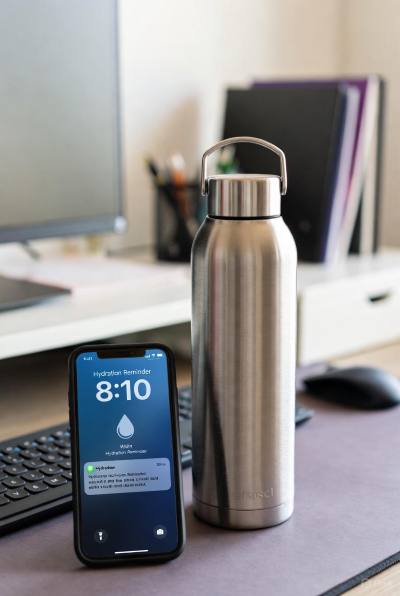
Many people struggle with hydration simply because they forget. Carrying a reusable bottle, setting phone reminders, or tying water intake to daily habits can help. Drinking a glass of water when you wake up, before meals, and after workouts builds consistency.
Adding flavor with lemon, cucumber, or mint can make water more appealing. Eating water-rich foods like fruits and vegetables also supports hydration. The goal isn’t perfection—it’s developing realistic habits that keep your body hydrated throughout the day to support fitness success.
7. Hydration and Fitness Goals: Weight Loss & Muscle Growth
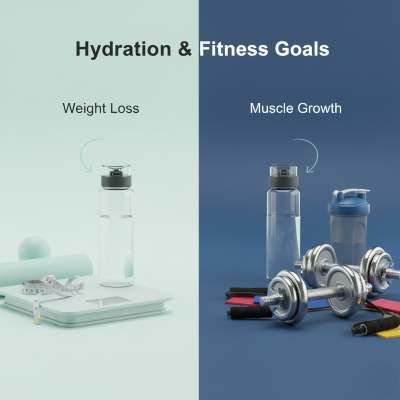
Hydration plays a key role in both weight loss and muscle building. Drinking enough water can support appetite control, digestion, and fat metabolism. Sometimes thirst is mistaken for hunger, leading to unnecessary snacking.
For muscle growth, water helps deliver nutrients to muscles and supports protein synthesis. Hydrated muscles perform better and recover faster after strength training. No matter your fitness goal, staying hydrated helps your body work efficiently and use your effort in the gym more effectively.
Final Thoughts: Make Hydration Part of Your Fitness Routine
Hydration isn’t just a side habit—it’s a core part of fitness success. From improving performance to speeding recovery and preventing injuries, water supports every stage of your fitness journey. The key is consistency, not complicated rules or extreme strategies.
By making hydration a daily priority, you’ll likely notice better workouts, more energy, and stronger results over time. Start small, stay mindful, and let hydration work quietly behind the scenes to support your fitness goals.
FAQs.
1. Why is hydration important for fitness results?
Hydration helps regulate body temperature, support muscle function, and deliver nutrients during exercise. Staying hydrated improves performance, endurance, and recovery.
2. How much water should I drink for workouts?
Water needs vary, but drinking consistently throughout the day and sipping during workouts helps maintain hydration and support performance.
3. Can dehydration affect workout performance?
Yes, dehydration can lead to fatigue, cramps, dizziness, and reduced strength, making workouts less effective.
4. Do I need electrolytes during exercise?
For long or intense workouts, electrolytes help replace minerals lost through sweat. For shorter workouts, water is usually sufficient.
5. What are easy ways to stay hydrated daily?
Carry a water bottle, set reminders, drink water with meals, and include water-rich foods like fruits and vegetables.