
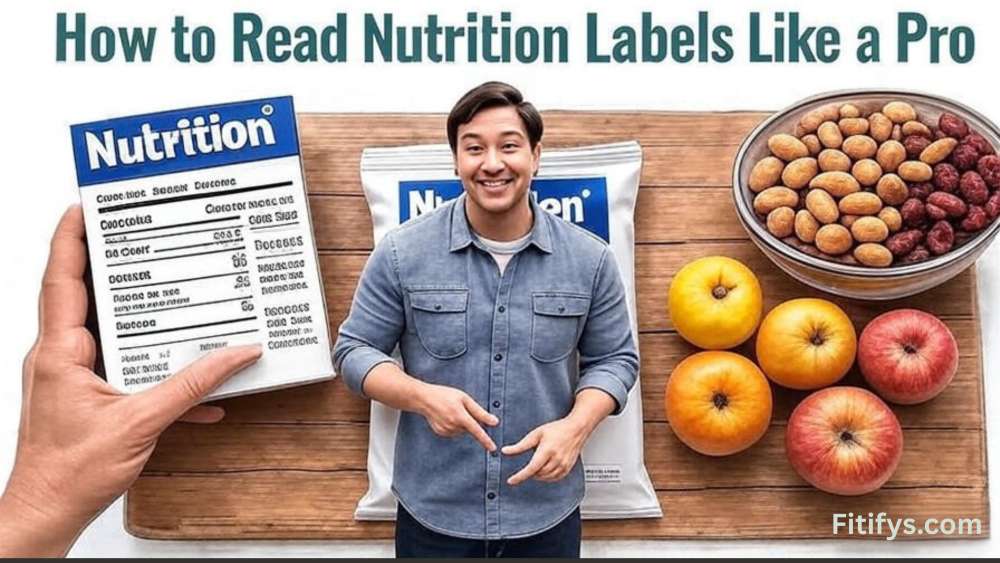
How to Read Nutrition Labels Like a Pro
Let’s be honest—nutrition labels can feel like a confusing mess of numbers, percentages, and words you can barely pronounce. But here’s the thing: learning how to read them isn’t just helpful—it’s empowering. Once you get the hang of it, you’ll be able to make smarter choices without falling for flashy marketing tricks like “low fat” or “natural.”
Think of this as your friendly guide to understanding what’s actually in your food—without needing a science degree to figure it out.
Why Nutrition Labels Matter
Ever grabbed a snack that said “healthy” on the front, only to feel sluggish after eating it? That’s where reading the back of the package comes in.
Nutrition labels tell you:
- What’s in your food
- How much you’re eating
- If it fits your goals (weight loss, heart health, energy, etc.)
- Which foods are more of a treat than a daily go-to
Once you know what to look for, it’s like having a secret superpower every time you grocery shop.
Step 1: Start with the Serving Size
This is the sneaky part most people miss. Everything on the label—calories, fat, sugar—is based on one serving, not the whole package.
Quick tip:
- If a serving size is ½ cup but you eat a full cup, double everything.
- If a bag of chips says 3 servings and you eat the whole thing, that 150-calorie snack is actually 450 calories.
Real talk: how often do you actually eat just 5 crackers?
Step 2: Check the Calories (but don’t obsess)
Calories give you energy, and we all need them. But it’s helpful to know how many you’re taking in—especially if you’re trying to lose or maintain weight.
- Low = 40 calories or less per serving
- Moderate = 100–200 calories
- High = 400+ calories
Don’t stress about every number, but being aware helps you make better decisions—like choosing a 100-calorie yogurt over a 400-calorie one loaded with sugar.
Step 3: Look at the Ingredients List
Ingredients are listed from most to least by weight. So, if sugar is the first or second item? That “healthy” granola bar may not be so healthy.
Watch out for:
- Hidden sugars (listed as corn syrup, fructose, dextrose, etc.)
- Long lists of additives or preservatives
- Ingredients you can’t pronounce (if you don’t recognize it, your body probably won’t either)
Aim for:
- Whole foods (oats, almonds, real fruit)
- Shorter ingredient lists (5–7 items is a good sweet spot)
- Ingredients you could find in your own kitchen
Step 4: Spot the Nutrients to Limit
Here’s where it gets important. These nutrients are the ones you usually want to keep in check:
> Watch your intake of:
- Saturated fat (linked to heart disease)
- Trans fat (look for “0g” and avoid anything with “partially hydrogenated oils”)
- Sodium (too much can lead to high blood pressure)
- Added sugars (different from natural sugars in fruit or dairy)
A good rule of thumb? If any of these numbers are more than 20% Daily Value (DV), it’s considered high.
Step 5: Focus on the Good Stuff
Now the fun part—what you want more of.
> Look for:
- Fiber (helps with digestion and keeps you full)
- Protein (builds muscle and balances blood sugar)
- Vitamins and minerals (like calcium, iron, potassium)
If a food is high in these (20% DV or more), that’s a green flag.
Real-Life Example: Comparing Two Snack Bars
Let’s say you’re choosing between two snack bars. Here’s how you’d break it down:
| Label Feature | Bar A | Bar B |
|---|---|---|
| Serving Size | 1 bar (40g) | 1 bar (40g) |
| Calories | 180 | 230 |
| Total Sugar | 12g | 5g |
| Fiber | 2g | 6g |
| Protein | 3g | 10g |
| Ingredients | Corn syrup, oats, chocolate | Almonds, dates, pea protein, cocoa |
Which would you pick? Bar B is higher in calories but much higher in protein and fiber, and it has way fewer added sugars. The ingredients are simple, too. It’s the better choice for energy that lasts.
Bonus: Don’t Fall for Label Buzzwords
Front-of-package claims like:
- “Low fat”
- “Natural”
- “Gluten-free”
- “Sugar-free”
…can be super misleading. These don’t mean the product is healthy. Always check the ingredients and nutrition label to be sure.
Final Thoughts
Reading nutrition labels might feel a little overwhelming at first—but trust me, once you do it a few times, it becomes second nature. You’ll start making food choices that feel more aligned with your body and your goals. And hey, even if you still eat that cookie or bag of chips sometimes, at least you’ll know exactly what you’re getting—and that’s powerful.
3 FAQs About Nutrition Labels
1. What does “% Daily Value” mean?
It tells you how much a nutrient in one serving contributes to your daily needs. 5% or less is low, 20% or more is high.
2. What’s the difference between “sugar” and “added sugar”?
Total sugar includes natural sugar (like from fruit or milk) and added sugar. Added sugar is what’s extra—and the one to limit.
3. How can I tell if a food is “clean” or healthy?
Look for short ingredient lists, whole foods you recognize, low added sugars, and a good balance of fiber and protein.
Want a free printable Nutrition Label Cheat Sheet or beginner-friendly grocery list?
Visit Fitifys.com to grab your copy—because eating smarter doesn’t have to be hard.