
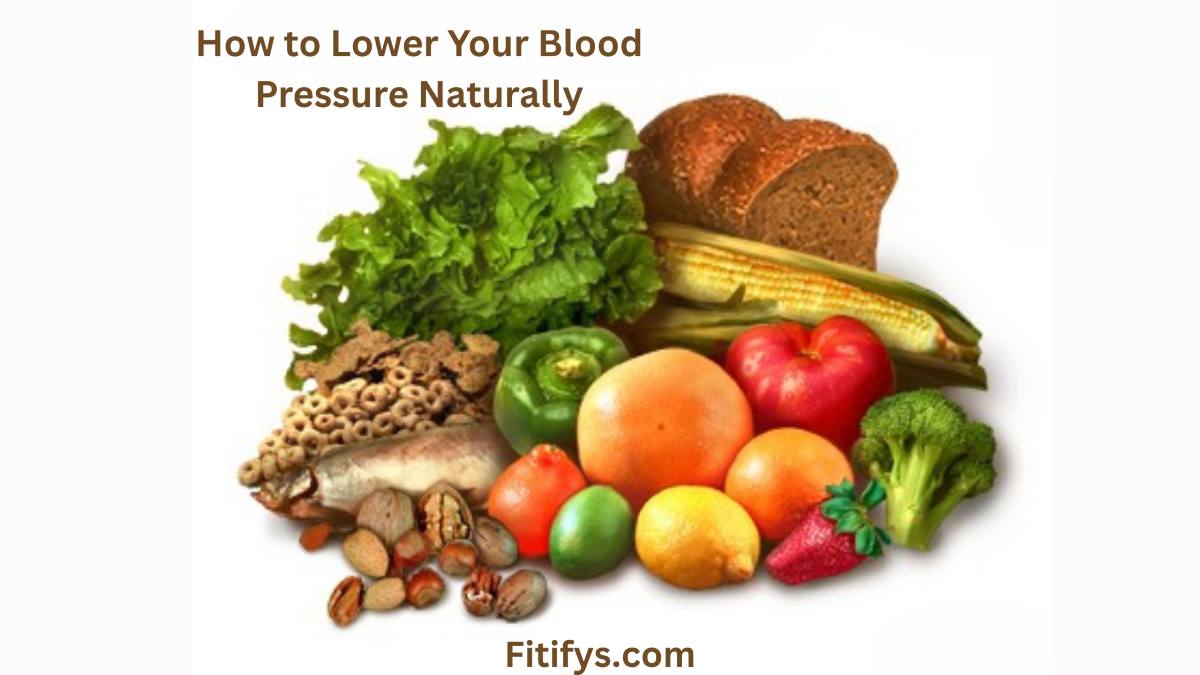
How to Lower Your Blood Pressure Naturally
Simple lifestyle tips that actually work
Maintaining a healthy weight, quitting smoking, limiting alcohol consumption, managing stress through relaxation techniques, getting enough good sleep, and adopting a balanced diet rich in fruits, vegetables, and whole grains while reducing sodium and unhealthy fats are all ways to naturally lower your blood pressure. Have you ever had your blood pressure taken and thought, “Wait, is that number supposed to be that high?” You’re not alone. High blood pressure (also called hypertension) is more common than ever—and the good news is, there’s a lot you can do to manage it without relying solely on medication. In this article, we’ll walk through practical, real-life ways to naturally lower your blood pressure. No complex medical jargon—just simple, doable changes that can make a big difference.
First, What Is Blood Pressure Anyway?
Think of your blood pressure like water flowing through a garden hose. When the pressure is too high, the hose can wear out or burst. In your body, high blood pressure can strain your heart and damage blood vessels over time, raising the risk of heart disease, stroke, and kidney problems. The force of your blood pressing against your artery walls as your heart circulates it throughout your body is known as blood pressure. In millimeters of mercury (mm Hg), this measurement is expressed as two numbers: the systolic (top number) and the diastolic (bottom number). Because high blood pressure, or hypertension, places undue strain on your heart and blood vessels and can result in major health problems like heart disease and stroke, a healthy reading is crucial.
1. Get Moving (It Doesn’t Have to Be a Workout Marathon)
You’ve heard it before, but it’s true—regular physical activity is one of the best things you can do for your heart.
Start with small, manageable efforts, such as walk-run intervals, incorporate short activity breaks throughout the day, and find activities you enjoy, like yoga or cycling, to “Get Moving” without the intensity of a marathon. Instead of pushing your body to its limit, concentrate on developing a healthy habit and consistency. Keep in mind that any movement is good for you and can lift your spirits and general level of fitness.
Start with:
- A brisk 20-30 minute walk most days of the week
- Dancing in your living room
- Biking with your kids
- Stretching or light yoga in the morning
You don’t need a gym membership or fancy gear. Just aim to move more than you sit. And if it’s been a while, that’s okay—start small and build up from there.
2. Cut Back on Salt (But Don’t Panic)
Choose fresh foods, stay away from processed and frozen foods, read food labels, add flavor with herbs and spices, and progressively increase your intake of fruits and vegetables to cut down on salt. You can also reduce your daily sodium intake by eating smaller portions, washing canned foods, and switching to lower-sodium versions of your favorite products. We’re not saying you have to eat plain chicken and steamed broccoli forever. But salt can sneak into your diet more than you realize, especially in packaged and restaurant foods.
Simple ways to lower sodium:
- Cook more at home (you control the salt shaker!)
- Use herbs, lemon, and spices instead of salt for flavor
- Read labels—aim for less than 2,300 mg of sodium a day (and under 1,500 mg if possible)
One trick? Swap salty snacks for healthier ones like roasted almonds, baby carrots with hummus, or fruit.
3. Eat More of the Good Stuff
Think color. The more colorful your plate, the more likely you’re loading up on blood pressure-friendly nutrients like potassium, magnesium, and fiber.
Heart-healthy foods to include:
- Leafy greens (spinach, kale, arugula)
- Berries, bananas, oranges
- Oats, quinoa, brown rice
- Salmon, tuna, and other fatty fish
- Beans, lentils, and nuts
Try the DASH diet (Dietary Approaches to Stop Hypertension) if you like a plan that’s easy to follow and backed by science.
4. Take It Easy on the Booze
We’re not anti-fun. But too much alcohol can raise your blood pressure over time. If you drink, stick to:
- 1 drink per day for women
- 2 drinks per day for men
And remember, some nights it’s perfectly fine to skip it altogether. Your heart will thank you.
5. Keep Stress in Check (Even the Sneaky Kinds)
Stress isn’t just in your head—it affects your body, too. When you’re constantly stressed, your blood pressure can creep up and stay there.
Quick relaxation methods like deep breathing or brief breaks, frequent exercise, sleep prioritization, and a healthy lifestyle with a balanced diet and little caffeine are all effective ways to manage stress, even the subtle kind. For Sneaky Stress, recognize and steer clear of needless stressors, schedule fun activities and social interactions, control your workload, and cultivate self-compassion by establishing boundaries and giving yourself permission to relax.
Try this:
- Deep breathing for just 5 minutes
- Journaling before bed
- Taking a tech break or digital detox
- Talking to a friend or therapist
- Laughing (yes, laughing helps—so go ahead and watch that goofy cat video)
And remember, it’s not about eliminating stress (impossible), but learning how to manage it better.
6. Get Better Sleep
Not just more sleep Create a cool, dark bedroom, stick to a regular sleep schedule, and abstain from heavy meals, caffeine, nicotine, and alcohol right before bed. Limit the amount of time spent on electronics before bed, incorporate regular exercise and daylight exposure, and establish a calming nightly routine that includes meditation or reading. To rule out underlying medical conditions, see a healthcare professional if you still have problems falling asleep.—better sleep. Poor sleep can increase your risk of high blood pressure, especially if it’s a chronic issue.
Tips for a better night’s rest:
- Go to bed and wake up around the same time each day
- Make your bedroom cool, dark, and quiet
- Avoid screens an hour before bed
- Skip caffeine late in the day
Even improving your sleep by 30-60 minutes a night can have a positive impact.
7. Keep Track of Your Blood Pressure at Home
Monitoring your numbers at home can help you see patterns and understand what works for your body. You can buy a simple, affordable monitor online or at a drugstore.
Why it helps:
- You get more accurate, day-to-day readings
- You can spot early warning signs
- You feel more in control (and that matters!)
Bring your readings to your doctor, too—it helps them get a clearer picture of what’s really going on.
Real Talk: This Is a Journey, Not a Race
Lowering your blood pressure naturally doesn’t mean overhauling everything in a week. It’s about making a few smart swaps, creating habits that stick, and listening to your body.
If you slip up (hello, pizza night), it’s okay. What you do most of the time is what matters most.
At Fitifys.com, we’re all about helping you make healthier choices that fit your real life—not some unrealistic version of it. So take what works for you, go at your own pace, and don’t forget to celebrate the small wins.
FAQs
1. How fast can I lower my blood pressure naturally?
Some people see improvements in just a few weeks with consistent lifestyle changes like eating better and exercising. But everyone’s different. Focus on progress, not perfection.
2. Can I stop taking medication if I make these changes?
Never stop medication without talking to your doctor. These natural steps can support your treatment, and in some cases, your doctor might reduce your dose—but that decision should always be guided by a medical professional.
3. What’s a healthy blood pressure range?
A normal blood pressure reading is usually around 120/80 mmHg. Anything consistently higher than 130/80 mmHg is considered elevated. The key word here is consistent. That’s why regular tracking is so helpful!