
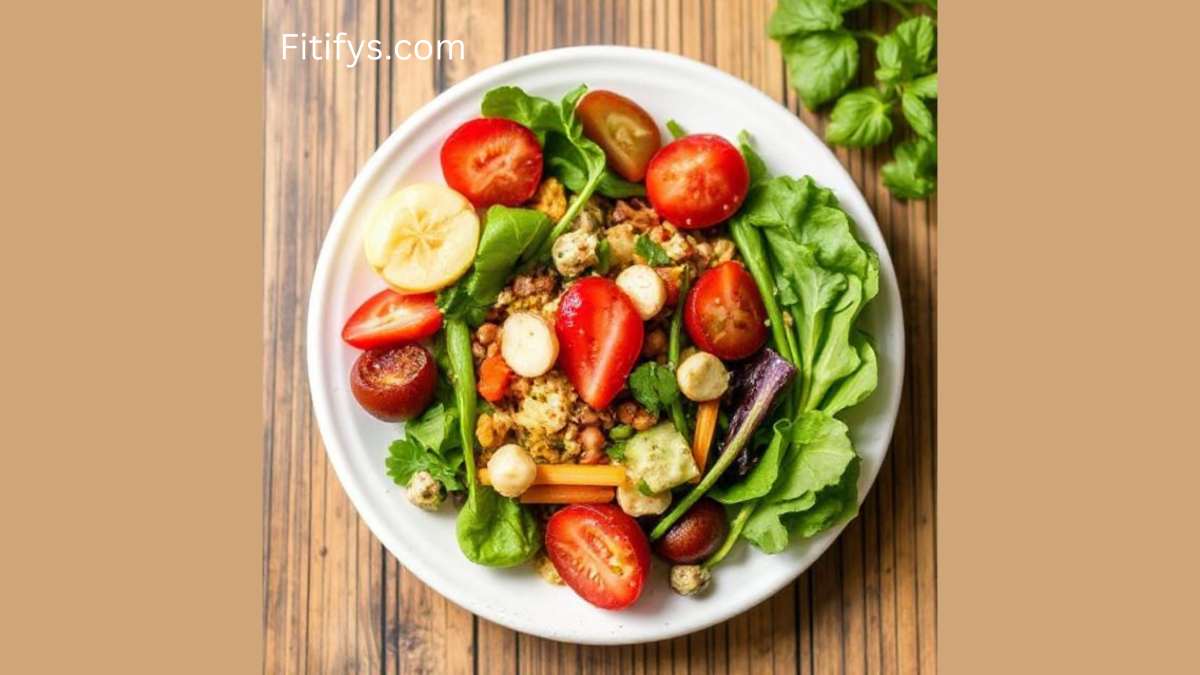
What to Eat to Lose Weight: A Complete Beginner’s Guide
Simple Tips to Help You Eat Smarter and Feel Better—Starting Today
If you’re trying to lose weight but feel overwhelmed by all the diet advice out there, you’re not alone. Low-carb, no-carb, high-protein, intermittent fasting, detox teas (yikes)… it’s enough to make anyone want to give up before they start.
But here’s the thing: losing weight doesn’t have to be complicated. You don’t need to starve yourself or give up your favorite foods. You just need to understand what your body really needs—and how to give it that in a way that works for you.
This beginner-friendly guide will walk you through what to eat to lose weight (without going crazy), how to build satisfying meals, and how to make it all feel a little more human and a lot less stressful.
Step 1: Focus on Real, Whole Foods
Let’s start simple. The foundation of any healthy weight loss plan is whole, minimally processed foods.
These foods keep you full longer, fuel your body, and help reduce cravings.
Build your meals around:
- Lean proteins: chicken, turkey, fish, tofu, eggs, Greek yogurt, legumes
- Colorful vegetables: spinach, broccoli, bell peppers, carrots, zucchini
- Whole grains: oats, brown rice, quinoa, whole wheat bread or pasta
- Healthy fats: avocado, nuts, seeds, olive oil
- Fresh fruits: apples, berries, bananas, oranges (yes, fruit is okay!)
Think of it this way: the closer a food looks to how it came from nature, the better.
Step 2: Create Balanced Plates
A lot of beginners fall into the trap of eating too little—or eating too many “healthy” foods that don’t keep them full.
The key? Balanced meals.
A simple formula for every meal:
- 1/2 plate = non-starchy veggies (like spinach, broccoli, peppers)
- 1/4 plate = lean protein
- 1/4 plate = whole grains or starchy veggies (sweet potatoes, brown rice)
- Add 1–2 teaspoons of healthy fat (like olive oil or avocado)
This combo keeps your blood sugar stable, your hunger in check, and your energy steady throughout the day.
Step 3: Don’t Be Afraid of Carbs (Just Choose the Right Ones)
Carbs aren’t the enemy—processed carbs are.
You don’t need to cut all carbs to lose weight, but switching to slow-digesting, fiber-rich carbs can make a huge difference.
Choose:
- Brown rice over white rice
- Sweet potatoes over fries
- Oats over sugary cereal
- Whole grain toast over white bread
These carbs digest slower, so you feel full longer and avoid energy crashes.
Step 4: Snack Smart
Snacking isn’t bad. It actually helps many people stay on track—if you’re choosing smart options.
Great weight-loss-friendly snacks:
- Apple slices + peanut butter
- Greek yogurt + berries
- Hard-boiled egg + carrot sticks
- Cottage cheese + pineapple
- Handful of almonds or walnuts
The trick is pairing protein + fiber to keep you satisfied between meals.
Step 5: Watch Portion Sizes (Without Counting Every Calorie)
You don’t need to weigh every bite of food, but portion awareness helps prevent unintentional overeating.
Simple portion guidelines:
- Protein: size of your palm
- Carbs: size of your cupped hand
- Veggies: as much as two fists
- Fats: size of your thumb
Tip: Try using smaller plates—it’s a sneaky but effective way to eat less without feeling deprived.
Step 6: Drink More Water (It Matters!)
Hydration often gets ignored—but it plays a big role in weight loss.
Sometimes what feels like hunger is actually just thirst.
Easy hydration tips:
- Drink a glass of water before each meal
- Carry a reusable water bottle with you
- Flavor water with lemon, cucumber, or mint to make it more fun
Aim for 6–8 cups per day, or more if you’re active or live in a hot climate.
Real Talk: Progress Over Perfection
Let’s talk about Hira, a 32-year-old teacher who used to skip meals and snack on chips late at night. When she started eating regular meals with protein, veggies, and healthy fats, she didn’t just lose weight—she had more energy to get through her long school days.
The goal isn’t perfection. It’s progress. One better choice at a time.
Foods to Eat More Often
- Whole, natural foods
- Whole, natural foods
- Whole, natural foods
- Lean protein
- Whole grains
- Fruit (yes, even bananas!)
- Water
Foods to Eat Less Often
- Sugary drinks (soda, sweetened coffee, energy drinks)
- Ultra-processed snacks (chips, cookies, packaged sweets)
- Fried foods
- Fast food
- White bread, pasta, and pastries (swap for whole grain when possible)
Final Thought: Start Small, Stay Consistent
You don’t need to overhaul your life overnight. Start with just one or two changes—maybe swapping soda for water, or adding a veggie to lunch.
Weight loss happens when small habits add up—day by day, meal by meal.
You’ve got this. And we’re here to help you every step of the way.
FAQs
1. Do I need to cut out sugar completely to lose weight?
No. You don’t have to eliminate sugar—but cutting back on added sugar (like in soda, candy, and baked goods) will definitely help. A treat now and then won’t hurt—balance is key.
2. What’s more important: calories or carbs?
Both matter, but overall calories are more important for weight loss. That said, focusing on quality carbs (like sweet potatoes and oats) instead of refined ones helps you feel full and satisfied.
3. Can I still eat my favorite foods and lose weight?
Yes! It’s all about portion size and frequency. You can enjoy pizza, ice cream, or fries occasionally—just not every day. Make the healthier choice most of the time, and enjoy treats in moderation.