
Women’s Health Checklist by Decade
What to Watch For, What to Prioritize, and How to Feel Your Best at Every Age
Women’s health isn’t one-size-fits-all. What your body needs in your 20s is different from what it craves in your 40s, 50s, or beyond. Hormones shift. Priorities change. And honestly? Life gets busy.
That’s why having a health checklist by decade is such a smart move. It’s like a little cheat sheet to help you stay in tune with your body—without stress or confusion.
Let’s walk through what to look out for, what to focus on, and how to take care of you at every stage.
In Your 20s: Build Strong Foundations
Your 20s are all about laying the groundwork for lifelong health—even if you feel like you’re invincible right now.
Health Priorities:
- Routine check-ups: Schedule your annual physical, pelvic exam, and pap smear.
- Get vaccinated: HPV and other recommended vaccines if you haven’t already.
- Build healthy habits: Start moving regularly, eat a balanced diet, and sleep 7–9 hours.
- Know your cycle: Track your period and symptoms—it helps spot irregularities early.
Checklist:
- Annual physical + blood pressure
- Pap smear every 3 years (or as advised)
- STI screening if sexually active
- Skin check (especially if you tan or have moles)
- Mental health check-in—stress, anxiety, or burnout? You’re not alone.
Real talk: This is also the time to learn how your body reacts to birth control, nutrition changes, and stress. Don’t ignore your gut feelings—literally and figuratively.
In Your 30s: Juggling Life + Protecting Your Energy
Your 30s often come with more responsibility—career, relationships, maybe kids—and your body may start to show signs of wear from stress or sleepless nights.
Health Priorities:
- Fertility check-in: Whether you’re trying to conceive or not, it’s good to understand your hormone levels and cycle.
- Strength training matters: Build and maintain muscle mass—it naturally starts to decline now.
- Stress management: Cortisol overload can affect weight, mood, and immunity.
- Prioritize sleep and gut health.
Checklist:
- Annual well-woman visit
- Breast exam (clinical)
- Dental + eye exam
- Thyroid and vitamin D check
- Bone density prep (start weight-bearing exercises)
Quick story: Aamna, 35, started weight training twice a week after feeling sluggish. “It changed my energy levels, sleep, and confidence. Wish I’d started sooner!”
In Your 40s: Hormone Shifts and Preventive Care
Welcome to the decade where perimenopause may sneak in, and your metabolism might slow down a bit. This is a time for tuning in, not freaking out.
Health Priorities:
- Hormone balance: Watch for changes in mood, sleep, cycles, or libido.
- Heart health: Your cardiovascular risk starts to climb—time to keep an eye on blood pressure and cholesterol.
- Mammograms begin: Usually around age 40 (or earlier based on family history).
- Stay active and flexible: Strength + mobility will serve you well.
Checklist:
- Mammogram (baseline at 40, or earlier if needed)
- Blood work: cholesterol, blood sugar, thyroid
- Skin screening
- Eye and dental exams
- Bone density screening (if at risk)
Fitifys tip: Include more omega-3s, fiber, and stress-reducing activities like yoga or walking outside.
In Your 50s: Menopause, Maintenance & Mindset
Menopause usually kicks in during this decade—and it can come with hot flashes, sleep issues, and emotional swings. But it’s also a powerful time to reclaim your health with confidence.
Health Priorities:
- Bone health: Estrogen dips can affect bone density. Calcium, vitamin D, and resistance training are key.
- Mental well-being: Mood changes, brain fog, and sleep issues are common. Talk to your doctor—there’s support.
- Stay proactive: Screenings for colon cancer, mammograms, and heart health become even more important.
Checklist:
- Mammogram (every 1–2 years)
- Colonoscopy (starting at 50)
- Bone density test
- Heart health check (cholesterol, blood pressure)
- Screen for depression or anxiety
Note: Hormonal shifts are natural—but they don’t have to rule your life. Talk to a menopause-informed doctor for tailored advice.
In Your 60s and Beyond: Thrive, Don’t Just Survive
Retirement years? Sure. But also time to thrive in a new way. This stage is about mobility, mental sharpness, and quality of life.
Health Priorities:
- Cognitive health: Challenge your brain with puzzles, reading, and social connections.
- Fall prevention: Balance exercises, safe home setup, regular vision checks.
- Stay social and active: Isolation can impact mental and physical health.
- Nourish your body with fiber, protein, and hydration.
Checklist:
- Bone density (every 2 years)
- Vision and hearing exams
- Heart health and diabetes screenings
- Annual physical
- Cancer screenings as advised
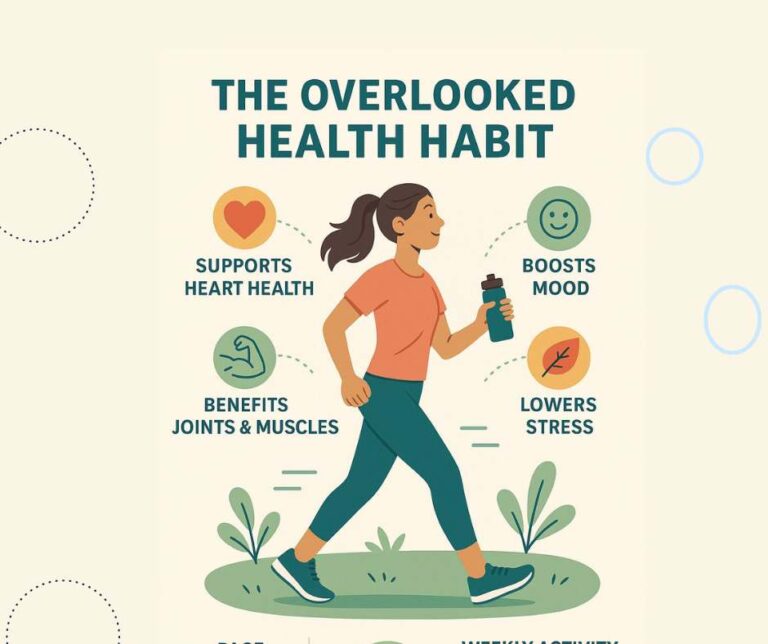
Golden tip: Keep moving. A 30-minute daily walk can work wonders for your joints, brain, and mood.
FAQs
1. How often should I get a pap smear or pelvic exam?
Pap smears are usually done every 3 years starting in your 20s. After 30, you might do one every 5 years if combined with an HPV test. Your doctor may suggest more frequent tests based on personal history.
2. What are signs of hormone imbalance in my 40s or 50s?
Look for irregular periods, hot flashes, mood swings, sleep trouble, or lower libido. These are common in perimenopause and menopause—but manageable with lifestyle changes or medical support.
3. Do I need supplements as I age?
Possibly. Many women need more vitamin D, calcium, magnesium, and B12 as they get older. But get tested first—then supplement based on your body’s needs.