Understanding Your Blood Pressure Readings
What Those Numbers Mean—And Why They Matter for Your Health
Ever had your blood pressure taken at the doctor’s office and thought, “Okay, but what do those numbers really mean?” You’re not alone.
Understanding your blood pressure isn’t just for people with health issues—it’s something everyone should know, no matter your age or fitness level. Because those little numbers can say a lot about your heart, your stress, and your future.
Let’s break it down in simple terms—no jargon, no scare tactics—just helpful info to keep you feeling your best.
First Things First: What Is Blood Pressure?
Blood pressure is the force of your blood pushing against the walls of your arteries as your heart pumps it around your body. Think of it like water running through a hose—the stronger the pressure, the more force it exerts.
You’ve probably seen it written like this:
120/80 mmHg (spoken as “120 over 80”)
But what do those numbers actually mean?
The Two Blood Pressure Numbers—Explained
1. Systolic Pressure (Top Number)
This is the pressure when your heart beats and pushes blood out into the arteries. It’s the higher number.
2. Diastolic Pressure (Bottom Number)
This is the pressure when your heart is resting between beats. It’s the lower number.
For example, in a reading of 120/80:
- 120 is the systolic pressure
- 80 is the diastolic pressure
What’s a Healthy Blood Pressure?
According to most health guidelines (including the American Heart Association), here’s a quick cheat sheet:
| Category | Systolic (Top #) | Diastolic (Bottom #) |
|---|---|---|
| Normal | Less than 120 | Less than 80 |
| Elevated | 120–129 | Less than 80 |
| High Blood Pressure: Stage 1 | 130–139 | 80–89 |
| High Blood Pressure: Stage 2 | 140+ | 90+ |
| Hypertensive Crisis | 180+ | 120+ |
If your readings are creeping up, don’t panic—but do take action.
Real Talk: Why Your Numbers Might Fluctuate
Blood pressure isn’t set in stone. It can change throughout the day and be influenced by:
- Stress or anxiety (hello, white coat syndrome!)
- Caffeine or alcohol
- Lack of sleep
- Dehydration
- Physical activity
- Certain medications
So don’t freak out over one high reading. What matters most is your average over time.
How Often Should You Check It?
If you’re healthy and under 40, checking once a year at your doctor’s office is probably fine. But if you:
- Have a family history of high blood pressure
- Are over 40
- Are overweight
- Or have had borderline numbers before
…then it’s smart to check it more regularly—maybe even at home with a digital monitor.
Tip: Try to check at the same time each day, seated and relaxed.
How to Keep Your Blood Pressure in a Healthy Range
Here’s the good stuff—things you can do to help your heart out:
1. Move More
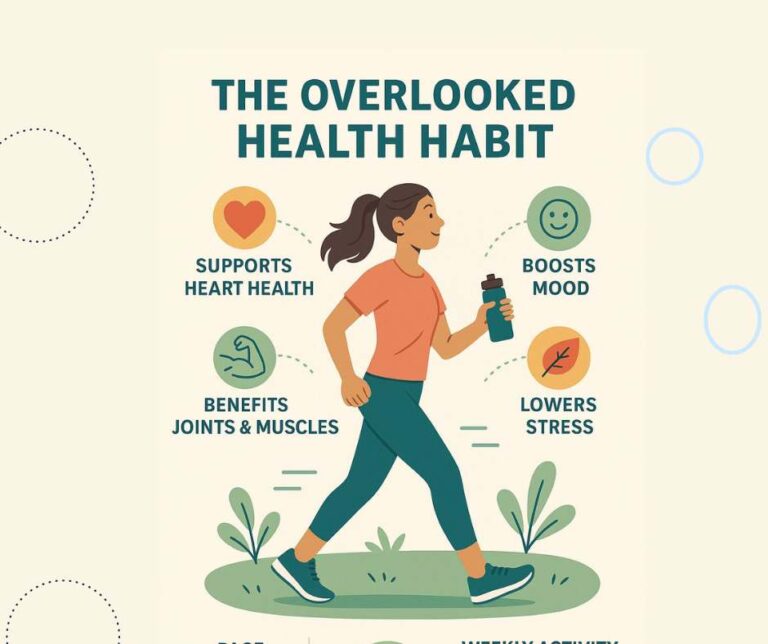
Even a brisk 20-minute walk a day can make a big difference.
2. Watch the Salt
Most of us eat way more sodium than we need. Try to stay under 1,500–2,300 mg/day.
3. Eat More Potassium
Foods like bananas, sweet potatoes, spinach, and beans help balance out sodium’s effects.
4. Cut Back on Alcohol & Caffeine
Moderation is key—these can both raise your pressure if overdone.
5. Stress Less
Easier said than done, we know. But deep breathing, stretching, and even short breaks can help lower your numbers.
6. Quit Smoking (If You Smoke)
Tobacco narrows your arteries and raises your pressure. Even one day without it helps your body start healing.
A Personal Example: Sarah’s Wake-Up Call
Sarah, a 35-year-old graphic designer, thought she was too young to worry about blood pressure. But after a random check at a health fair showed her numbers were 140/88, she got curious—and a little concerned.
She started walking 15 minutes each day, swapped out salty snacks for fruit, and started sleeping better. A month later? Her readings dropped to 122/78.
“I didn’t do anything extreme,” she says. “But I paid attention. That made all the difference.”
When to Talk to Your Doctor
If your numbers are consistently above normal—or if you’re feeling symptoms like:
- Headaches
- Dizziness
- Chest pain
- Blurred vision
…get it checked out ASAP. High blood pressure often has no symptoms, which is why it’s called the “silent killer.”
Natural Ways to Support Healthy Blood Pressure
In addition to diet and exercise, some natural habits may help:
- Herbal teas like hibiscus and green tea
- Meditation or yoga for stress relief
- Magnesium-rich foods like avocados, nuts, and leafy greens
- Hydration—drink enough water daily
Always check with your doctor before starting supplements, especially if you’re on medication.
FAQs
1. What is the best time to check my blood pressure at home?
The morning, before eating or taking medication, is ideal. Be calm, sit upright, and take two readings for accuracy.
2. Can stress alone cause high blood pressure?
Yes—especially short-term spikes. Long-term stress may contribute to consistently high readings if it leads to poor sleep, overeating, or less exercise.
3. Is low blood pressure bad too?
It depends. Some people naturally have low readings (like 90/60) and feel fine. But if you feel dizzy, tired, or faint often, it’s worth checking with your doctor.