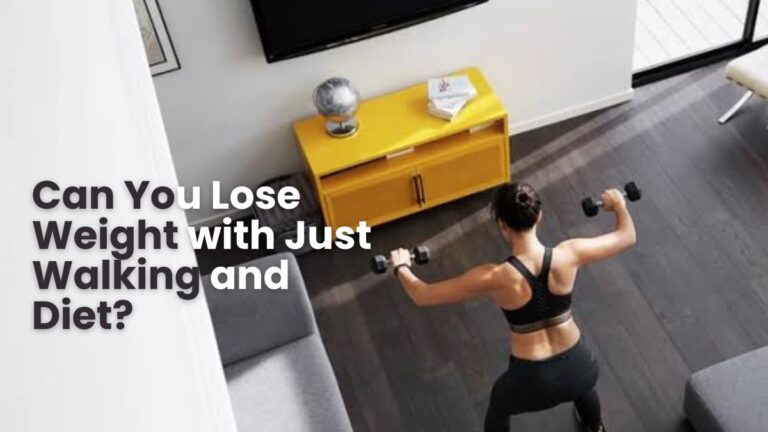

How to Lose Weight with Strength Training
Build Muscle, Burn Fat, and Feel Stronger Than Ever
To effectively build muscle, burn fat, and increase overall strength, a combination of weight training and a focus on protein intake is crucial, while also ensuring you’re in a slight caloric surplus to support muscle growth. Simultaneously, incorporating activities that promote fat burning, like cardio and HIIT workouts, can help you achieve a leaner physique.
When most people think about weight loss, they picture endless hours on the treadmill. But guess what? Strength training—yep, lifting weights—is one of the most powerful tools for burning fat and getting lean.
You don’t need to become a bodybuilder. You just need to train smart, stay consistent, and fuel your body right.
Here’s everything you need to know (in real-talk style) to start losing weight through strength training—even if you’re a total beginner.
Why Strength Training Works for Weight Loss

Strength training is effective for weight loss because it helps build muscle mass, which increases metabolism and calorie burn, even at rest. This means your body burns more calories throughout the day, aiding in fat loss. Additionally, strength training improves body composition, making you appear leaner and more toned.
Strength training does two awesome things at once:
- It builds muscle.
- It boosts your metabolism.
Muscle is your secret weapon. Why? Because it’s active tissue—it burns calories even when you’re doing nothing. The more muscle you have, the more calories you burn 24/7.
Unlike cardio, which burns calories only during the workout, strength training keeps your body in fat-burning mode for hours afterward.
Real-life example:
Let’s say Sarah does 3 strength workouts a week. Over time, she builds lean muscle and loses fat. Even though her scale weight changes slowly, she looks and feels tighter, stronger, and leaner. That’s what we call body recomposition—the real magic of strength training.
Getting Started: What Strength Training Looks Like
Don’t worry—you don’t need a fancy gym. Strength training can be done at home or with minimal equipment.
Popular strength training options:
- Bodyweight exercises (push-ups, squats, lunges)
- Resistance bands
- Dumbbells or kettlebells
- Barbells (for more advanced lifters)
- Machines (if you go to a gym)
Basic Strength Training Structure
Here’s how a simple full-body routine might look:
| Exercise | Muscles Worked |
|---|---|
| Squats | Legs & glutes |
| Push-ups | Chest, shoulders, triceps |
| Bent-over rows | Back & biceps |
| Glute bridges | Glutes & hamstrings |
| Planks | Core |
Do 2–3 sets of 8–12 reps for each. Rest 30–60 seconds between sets.
Start with bodyweight or light weights, and increase resistance as you get stronger. Focus on form first—not speed or how much you lift.
How Strength Training Helps Burn Fat
Let’s break down how lifting weights actually helps with fat loss:
1. Burns Calories
You burn calories during your workout, and even more after (thanks to the afterburn effect).
2. Builds Lean Muscle
The more muscle you have, the more calories you burn—at rest!
3. Reduces Belly Fat
Studies show strength training is especially effective at reducing visceral fat—the deep belly fat that surrounds your organs.
4. Prevents Muscle Loss
When you’re losing weight through diet alone, your body may burn muscle as well as fat. Strength training protects your muscle, keeping your metabolism from slowing down.
Nutrition + Strength = Results
You can’t out-train a bad diet. Pair your strength workouts with a balanced meal plan to see real progress.
Quick nutrition tips:
- Eat enough protein (chicken, tofu, beans, eggs)
- Don’t cut calories too low
- Fuel before workouts (small snack like banana + nut butter)
- Recover with protein and carbs post-workout (like a smoothie or eggs + toast)
Think of food as fuel, not punishment. You need energy to build strength and burn fat.
Weekly Strength Training Plan (Beginner-Friendly)
Here’s a sample schedule to ease into it:
Monday – Full-body strength workout (30 mins)
Tuesday – Walk or light cardio (20–30 mins)
Wednesday – Rest or yoga
Thursday – Full-body strength workout
Friday – Cardio (brisk walk, cycling, dance)
Saturday – Optional strength day or outdoor activity
Sunday – Rest
You only need 2–3 strength sessions per week to start seeing results. Stick with it for 4–6 weeks and watch your body start to change.
Pro Tips to Stay on Track
- Progress slowly. Don’t rush to lift heavy—form matters more.
- Track your progress. Take photos, log weights, or journal how you feel.
- Rest is part of the process. Muscles grow while you rest, not while you train.
- Don’t fear the scale. Muscle is denser than fat, so you may lose inches even if the number doesn’t budge.
A Personal Touch
When I started lifting, I was nervous. I thought strength training was only for super-fit people or gym bros. But once I committed to a couple of sessions a week, I noticed my energy went up, my jeans fit better, and I actually looked toned for the first time.
Now, strength training is my go-to when I want to feel strong, confident, and in control of my body. You don’t have to do it perfectly—just keep showing up.
Final Thoughts: Strength Is Sexy (and Effective)
If you’re tired of yo-yo dieting or endless cardio, give strength training a chance. It’s one of the most effective, sustainable, and empowering ways to lose weight.
You don’t need to lift heavy or go hardcore. Just get moving, be consistent, and fuel your body. You’re stronger than you think—and your future self will thank you for starting.
FAQs About Strength Training for Weight Loss
1. Will lifting weights make me bulky?
Nope! Building bulky muscle takes years of intense training and eating in a surplus. Strength training will help you look leaner, tighter, and more toned.
2. Do I need to go to a gym to lift weights?
Not at all! You can start at home with just your bodyweight or some resistance bands. Progress comes from consistency, not equipment.
3. How soon will I see results from strength training?
Most people notice changes in 4–6 weeks. You may not see huge weight drops, but you’ll feel stronger, more energetic, and clothes may start to fit better.