Common Women’s Health Issues and How to Prevent Them
Let’s be real—being a woman means juggling a lot. Between careers, family, hormones, and everything in between, it’s easy to put your own health on the back burner. But here’s the thing: women face some unique health challenges that often go unnoticed until they become big problems.
The good news? Most common women’s health issues are preventable or manageable—especially when you know what to look for and how to take care of yourself.
Let’s walk through the top health concerns women face today and simple, practical steps to stay ahead of them.
1. Heart Disease: The Silent Killer
Heart disease is often called the “silent killer” because many of its risk factors, particularly hypertension (high blood pressure), can develop without noticeable symptoms, allowing the condition to progress and damage the cardiovascular system before diagnosis.

Why It Matters:
Heart disease is the #1 cause of death for women worldwide—but many women don’t realize it. Symptoms can be subtle and different from men’s, such as fatigue, shortness of breath, or jaw pain.
How to Prevent It:
- Get your blood pressure and cholesterol checked regularly.
- Eat more whole foods: fruits, veggies, whole grains, and healthy fats.
- Move daily. Even a 30-minute brisk walk helps!
- Ditch smoking and manage stress with yoga, meditation, or journaling.
Story Moment:
Sarah, a 42-year-old mom, always brushed off her tiredness as “normal mom life.” A routine checkup revealed high blood pressure—and she credits that visit with saving her life.
2. Breast Cancer: Know Your Body
“Know Your Body” in the context of breast cancer means understanding the normal look and feel of your breasts, and being aware of any changes that might indicate a problem.
Distending what’s normal for your breasts and recognizing any changes that might indicate a problem.
Why It Matters:
Breast cancer affects 1 in 8 women. Early detection is key to surviving and thriving.
How to Prevent It:
- Do monthly self-breast exams—know what’s normal for you.
- Schedule annual mammograms after 40 (or earlier if you’re high risk).
- Limit alcohol, maintain a healthy weight, and stay physically active.
Bonus Tip: If you have a family history of breast cancer, talk to your doctor about genetic testing and earlier screenings.
3. Osteoporosis: The Bone Thinner
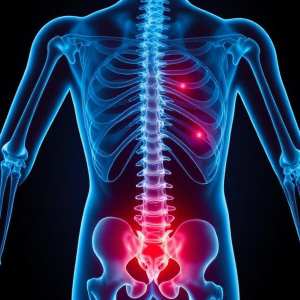
Osteoporosis is a bone disease that thins and weakens bones, making them more susceptible to fractures. It develops when bone mineral density and mass decrease, or when the structure and strength of bone changes. Often called a “silent disease,” osteoporosis may not cause any noticeable symptoms until a bone breaks.
Why It Matters:
Women lose bone density faster, especially after menopause. Osteoporosis makes bones weak and prone to fractures—even from simple falls.
How to Prevent It:
- Get enough calcium (1,000–1,200 mg/day) and vitamin D.
- Incorporate strength training and weight-bearing exercises.
- Avoid excessive alcohol and don’t smoke.
Fitness Tip: Bodyweight exercises like squats and lunges aren’t just for toning—they’re fantastic for bone health!
4. Depression & Anxiety: Mental Health Is Health
Depression and anxiety are common mental health conditions that can significantly impact an individual’s well-being and daily life. While they are distinct conditions, they often co-occur and share some similarities in symptoms and treatment approaches. Mental health is a fundamental aspect of overall health and well-being, and seeking help for depression and anxiety is crucia.

Why It Matters:
Women are nearly twice as likely as men to experience depression and anxiety. Hormonal shifts, life changes, and daily stress can all play a role.
How to Prevent It (or Manage It):
- Don’t isolate—talk to friends, family, or a mental health professional.
- Stay active—exercise is proven to boost mood and reduce anxiety.
- Practice self-care daily, even if it’s just 10 minutes of quiet.
Real Talk: It’s okay to not be okay. Getting support is a strength, not a weakness.
5. Polycystic Ovary Syndrome (PCOS)
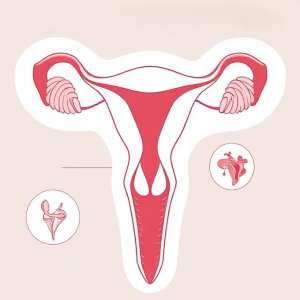
Polycystic Ovary Syndrome (PCOS) is a common hormonal disorder in women of reproductive age. It’s characterized by irregular periods, excess androgen levels, and/or polycystic ovaries. PCOS can also lead to other health problems, including infertility, type 2 diabetes, and cardiovascular issues.
Why It Matters:
PCOS affects hormone levels, periods, fertility, and even weight. It’s one of the most common causes of female infertility.
How to Manage It:
- Eat a balanced, low-sugar diet to manage insulin resistance.
- Exercise regularly to help regulate hormones.
- Track your menstrual cycle and discuss symptoms with your OB-GYN.
Lifestyle Win: Many women with PCOS find relief through simple lifestyle changes—consistency is key.
6. Autoimmune Diseases
Autoimmune diseases are health conditions that happen when your immune system attacks your body instead of defending it. Healthcare providers sometimes call them autoimmune disorders.
Usually, your immune system is like your body’s built-in security system. It automatically detects substances that shouldn’t be in your body (like viruses, bacteria or toxins) and sends out white blood cells to eliminate them before they can damage your body or make your sick.
If you have an autoimmune disease, your immune system is more active than it should be. Because there aren’t invaders to attack, your immune system turns on your body and damages healthy tissue.
Autoimmune diseases are chronic conditions. This means if you have an autoimmune disease, you’ll probably have to manage it and the symptoms it causes for the rest of your life.
Why It Matters:
Women make up about 80% of autoimmune disease cases (like lupus, rheumatoid arthritis, and Hashimoto’s thyroiditis). These conditions can be tricky to diagnose.
What to Do:
- Listen to your body—don’t ignore chronic fatigue, joint pain, or brain fog.
- Ask for second opinions if you feel dismissed.
- Support your immune system with a nutrient-rich diet and adequate sleep.
7. Reproductive Health Issues
Reproductive health encompasses the overall well-being of the male and female reproductive systems throughout their lives, including their ability to reproduce, manage sexual and reproductive functions, and experience safe and fulfilling sexual relationships. Reproductive health issues can affect individuals of all ages and can stem from various factors, including infections, hormonal imbalances, and anatomical abnormalities.
Why It Matters:
Irregular periods, endometriosis, and fibroids can impact quality of life and fertility.
How to Stay on Top of It:
- Track your cycle to notice any patterns or irregularities.
- Don’t ignore heavy bleeding, severe cramps, or pelvic pain.
- See your gynecologist annually for a wellness exam.
8. Diabetes (Especially Gestational Diabetes)
Why It Matters:
Women, Diabetes (Especially Gestational Diabetes)especially during pregnancy, face a unique risk for gestational diabetes, which can increase the risk of type 2 diabetes later in life.

Gestational diabetes is a type of diabetes that develops during pregnancy, usually resolving after birth. It occurs when the body can’t produce enough insulin to meet the increased demands of pregnancy, leading to high blood sugar levels. While most women with gestational diabetes have healthy pregnancies and babies, it’s crucial to manage the condition to minimize potential complications.
How to Prevent It:
- Eat balanced meals with whole grains, lean proteins, and healthy fats.
- Keep your weight in a healthy range.
- Stay active before and during pregnancy with your doctor’s guidance.
9. Cervical Cancer
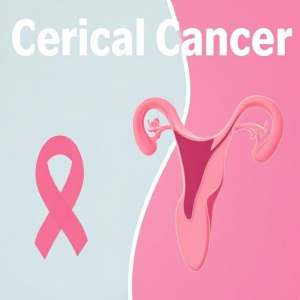
Cervical cancer is a type of cancer that develops in the cervix or in any layer of the wall of the cervix. It is due to the abnormal growth of cells that can invade or spread to other parts of the body. Early on, typically no symptoms are seen.
Why It Matters:
This cancer is highly preventable with regular Pap smears and the HPV vaccine.
Prevention Tips:
- Get Pap tests every 3 years (or as advised).
- Vaccinate against HPV, ideally before becoming sexually active.
- Use protection during sex to lower risk of HPV.
10. Urinary Tract Infections (UTIs)
A urinary tract infection is a very common type of infection in your urinary system. It can involve any part of your urinary system. Bacteria — especially E. coli — are the most common cause of UTIs. Symptoms include needing to pee often, pain while peeing and pain in your side or lower back. Antibiotics can treat most UTIs.
Why It Matters:
UTIs are common in women due to anatomy, but frequent infections can lead to kidney issues if untreated.
How to Prevent UTIs:
- Drink plenty of water.
- Urinate after sex.
- Avoid irritating products like scented soaps near the genital area.
Final Thoughts
Ladies—your health matters. And the best time to start paying attention to it is right now. Prevention isn’t about being perfect—it’s about small, consistent steps.
Whether it’s scheduling that overdue checkup, making time for a walk, or simply learning more about your body, every action you take today builds a healthier tomorrow.
You’ve got this.
3 FAQs About Women’s Health
Q1. What’s the best diet for women’s health?
A balanced diet rich in fruits, vegetables, whole grains, lean proteins, and healthy fats works best. For bone health, include calcium-rich foods like leafy greens and dairy. For hormonal health, limit processed sugar and alcohol.
Q2. How often should women get a checkup?
Most women should see a doctor annually for a wellness visit, including blood pressure, cholesterol, and reproductive health screenings. Frequency may vary based on age and medical history.
Q3. Are there any early signs of serious health issues I should watch for?
Yes! Watch for unexplained fatigue, sudden weight loss or gain, irregular periods, changes in mood, breast lumps, or pelvic pain. These can be signs of deeper issues and should be checked by a doctor.