Heart Disease: The Silent Killer for Humans
Why it’s sneaky, dangerous—and how you can protect your heart starting today.
Introduction: Why Heart Disease Isn’t Just a “Man’s Problem”
When people think about heart disease, they often picture an older man clutching his chest in a dramatic moment. But here’s the truth: “heart disease is the leading cause of death worldwide”—for both men and women.
Heart disease is often mistakenly perceived as primarily affecting men, but it’s a leading cause of death for both men and women. It’s crucial to recognize that heart disease presents differently in women and can be overlooked or misdiagnosed, leading to delayed treatment and poorer outcomes. Understanding these differences and raising awareness about heart disease as a significant health concern for women is vital.
The reason it’s often called the “silent killer” is because it can sneak up on you without warning. No pain, no loud signs—just a quiet buildup until something serious happens.
But the good news? You have more control over your heart health than you might think.
Let’s talk about how heart disease works, what signs to look for, and simple, smart steps you can take to protect your heart for the long run.
What Is Heart Disease?

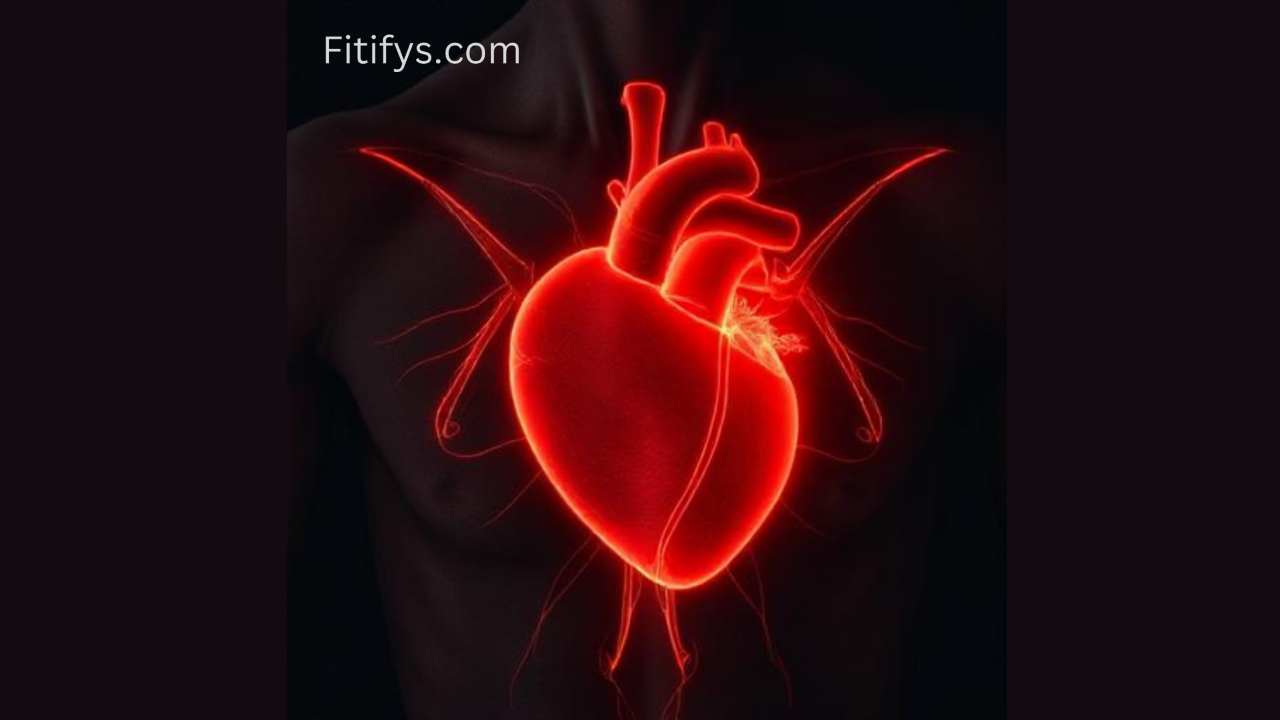
“Heart disease” isn’t just one thing. It’s actually a group of conditions that affect how your heart and blood vessels work. The most common type is coronary artery disease (CAD)—when the arteries that supply blood to your heart get clogged or narrowed.
Other forms include:
- Heart failure – when the heart can’t pump blood effectively
- Arrhythmias – irregular heartbeats
- Heart valve problems
- Congenital heart defects – present from birth
All of these can cause serious problems, but CAD is the most common and the one we’ll focus on here.
Why It’s Called the “Silent Killer”
Many people with heart disease feel completely fine—until they have a heart attack or stroke. That’s why regular checkups and being aware of your risk are so important.
Common “Silent” Symptoms:
- Shortness of breath (even during light activity)
- Fatigue or weakness
- Mild chest discomfort or pressure (not always “pain”)
- Dizziness or lightheadedness
- Nausea, especially in women
Real-life story:
Maria, a 45-year-old mom of two, felt tired for weeks and chalked it up to “being busy.” One day she got dizzy walking up stairs—turns out she was experiencing the early signs of heart disease. Luckily, she caught it in time and made some lifestyle changes that turned things around.
Risk Factors You Shouldn’t Ignore
Some risk factors are out of your control, but many are in your hands. Here’s a breakdown:
You Can’t Control:
- Age – Risk increases after 45 for men, 55 for women
- Family history – Genetics do play a role
- Race/ethnicity – Some groups are at higher risk
You Can Control:
- High blood pressure
- High cholesterol
- Smoking
- Obesity
- Diabetes
- Sedentary lifestyle
- Stress
- Unhealthy diet
Even small changes in your daily routine can help you avoid becoming a statistic.
How to Protect Your Heart: Simple, Real-Life Steps
Let’s keep this practical. Here are smart habits that can make a huge difference.
1. Move More (No Gym Needed)
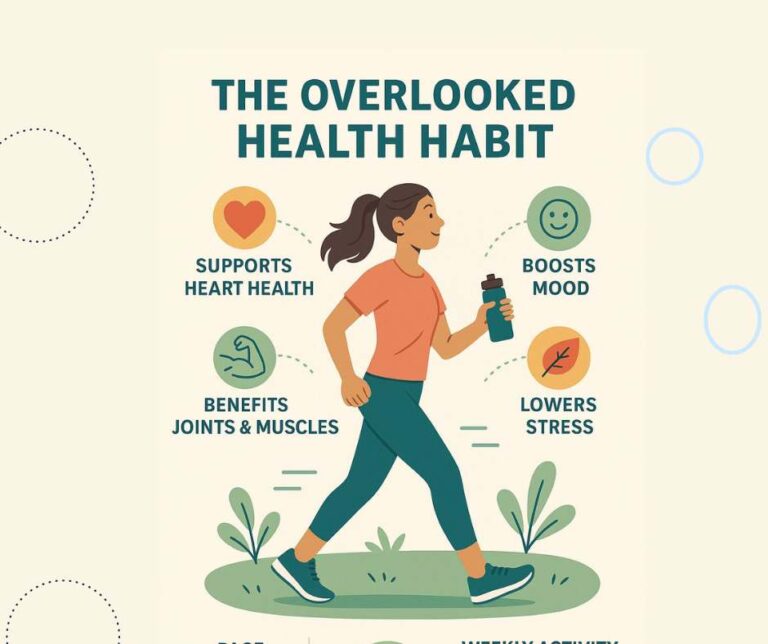
- Aim for at least 150 minutes of moderate activity per week (like brisk walking).
- Break it up: 30 minutes a day, five days a week.
- Take the stairs, stretch during breaks, walk after meals.
Bonus Tip: Dancing in your living room counts too!
2. Eat for a Healthy Heart
You don’t have to go vegan or start drinking green smoothies (unless you want to). Just focus on:
- More of: Fruits, veggies, whole grains, lean protein (like fish, chicken, beans), healthy fats (olive oil, nuts).
- Less of: Added sugar, processed foods, trans fats, fried food, salty snacks.
Try the 80/20 rule: Eat healthy 80% of the time, enjoy treats 20%.
3. Know Your Numbers
Regular checkups can literally save your life. Ask your doctor about:
- Blood pressure
- Cholesterol (HDL, LDL, triglycerides)
- Blood sugar (especially if you’re overweight or over 40)
4. Kick the Smoking Habit
If you smoke, quitting is the #1 best thing you can do for your heart.
- Within 1 year of quitting, your risk of heart disease drops by 50%.
- Need help? Try support groups, nicotine patches, or talk to your doctor.
5. Stress Less (Seriously)
Stress puts your body in fight-or-flight mode—raising your blood pressure and damaging your heart over time.
Try This:
- Deep breathing (inhale for 4, exhale for 6)
- Journaling
- Spending time in nature
- Talking to a friend
- Unplugging from screens for an hour a day
6. Sleep = Self-Care for Your Heart
Poor sleep increases your risk of high blood pressure, diabetes, and obesity.
- Aim for 7–9 hours a night
- Stick to a bedtime routine
- Keep your bedroom cool, dark, and tech-free
What Happens If You Ignore It?
Without treatment or lifestyle changes, heart disease can lead to:
- Heart attacks
- Stroke
- Heart failure
- Sudden death
But let’s flip the script. When you take charge, you add years to your life and life to your years.
Quick Heart-Healthy Checklist
Get moving for 30 mins a day
Eat more plants and less junk
Quit smoking
Manage stress
Sleep like your heart depends on it (because it does!)
Get regular check-ups
Final Thoughts
Heart disease is serious, but it doesn’t have to be scary. Think of your heart like the engine of your body—it needs fuel, rest, and a little TLC to run smoothly.
Heart disease is often called the “silent killer” because it can develop slowly and quietly, without any obvious symptoms—until it’s too late. It’s responsible for millions of lives lost each year, yet many of its risk factors are within our control. That’s both the scary part and the hopeful part.
The truth is, heart disease doesn’t have to be inevitable. By making simple, consistent lifestyle changes—like eating a balanced, heart-healthy diet, exercising regularly, managing stress, quitting smoking, and getting routine health checkups—you can significantly reduce your risk. These habits don’t have to be extreme. Even small steps, taken daily, can lead to powerful results over time.
Knowledge is power. The more you understand about your heart health, the better decisions you can make for your future. Don’t ignore warning signs like fatigue, chest pain, or shortness of breath. And even if you feel fine, prevention should always be a priority.
Your heart is the engine of your body. Treat it with the care it deserves. Protect it not just for yourself, but for the people who love and rely on you. Because when your heart is healthy, your whole life benefits.
Your heart is working hard for you. Show it some love.
FAQs About Heart Disease
Q1: Can I have heart disease and not know it?
Yes, absolutely. Many people don’t experience noticeable symptoms until the disease is advanced. That’s why it’s so important to get regular check-ups and pay attention to your energy levels, breath, and chest sensations.
Q2: Is heart disease reversible?
In many cases, yes. While not all damage can be undone, lifestyle changes (like improving your diet, exercising, and quitting smoking) can reduce plaque buildup and lower your risk significantly.
Q3: How often should I get my heart checked?
Adults should have their blood pressure, cholesterol, and glucose levels checked at least once a year. If you have a family history or other risk factors, more frequent checkups may be needed.