Breast Cancer: Know Your Body for Women’s Health
Because your body talks to you—are you listening?
Introduction: Why Breast Cancer Awareness Starts with You
Breast cancer is one of those things we hope we’ll never have to think about. But the truth is, knowing your body could save your life.
Whether you’re in your 20s or your 60s, understanding what’s normal for your body—and what’s not—can make all the difference. You don’t need a medical degree to be breast-aware. You just need the right information, a little self-care, and the courage to take action when something feels off.
Let’s break it down in a way that’s real, simple, and empowering.
What Is Breast Cancer?
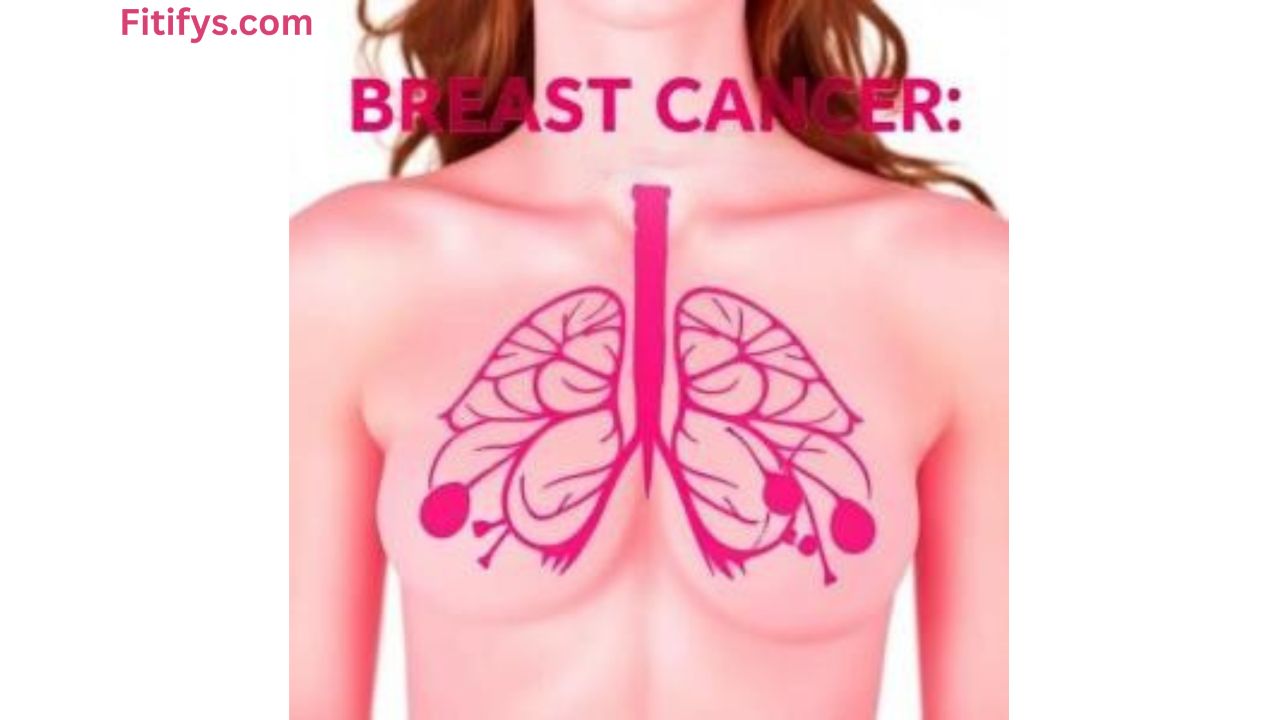
Breast cancer is a disease where malignant (cancer) cells form in the tissues of the breast. These cells can grow out of control and potentially spread to other parts of the body. It most commonly occurs in the milk ducts (tubes that carry milk to the nipple) or the milk-producing lobules. While breast cancer is more common in women, men can also develop it.
At its core, breast cancer happens when cells in the breast grow uncontrollably. These cells can form a lump (tumor), and some types can spread to other parts of the body if left untreated.
There are different types of breast cancer, but the most common include:
- Invasive ductal carcinoma (IDC) – begins in the milk ducts
- Invasive lobular carcinoma (ILC) – starts in the milk-producing glands
- DCIS (ductal carcinoma in situ) – early stage, non-invasive
Not all lumps mean cancer. But any change should always be checked out.
Who Can Get It?
Here’s something important: Breast cancer doesn’t discriminate.
- Women over 40 are most at risk.
- Younger women can still get it (yes, even in their 20s or 30s).
- Men can get breast cancer too (rare, but real).
It can happen whether or not you have a family history.
Risk Factors You Should Know
Some you can control, some you can’t:
Can’t Control:
- Age
- Genetics (BRCA1 and BRCA2 mutations)
- Family history
- Early menstruation or late menopause
Can Control:
- Being overweight
- Lack of physical activity
- Hormone replacement therapy (HRT)
- Poor diet
Signs and Symptoms: What to Look Out For
Breast cancer doesn’t always come with dramatic warning signs. Sometimes it’s subtle. That’s why knowing what’s normal for your body is so key.
Common Symptoms:
- A lump in the breast or underarm
- Swelling or thickening in part of the breast
- Dimpling or puckering of the skin
- Redness or flaky skin around the nipple
- Nipple turning inward or discharge (other than breast milk)
- Changes in breast size or shape
- Persistent pain in one spot
Important: These symptoms don’t always mean cancer—but they always mean you should talk to your doctor.
Real Talk: How One Woman Caught It Early
Meet Adeeba, a 22-year-old mom of two. She noticed a small lump one morning while getting dressed but brushed it off. A few weeks later, it was still there. She finally went in for a check-up, got a mammogram, and discovered she had early-stage breast cancer.
Thanks to catching it early, treatment was simpler—and she’s now cancer-free.
Her advice? “Don’t wait. If something feels off, speak up. Your body is worth listening to.”
How to Do a Breast Self-Exam
Doing regular self-checks doesn’t take long, and it’s one of the best ways to stay on top of your health.
Here’s how to do it:
Step 1: Stand in front of a mirror with your arms at your sides.
Look for any changes in shape, skin texture, or nipple direction.
Step 2: Raise your arms and look again.
Check for symmetry and movement.
Step 3: Use your fingers to feel your breasts while lying down.
Move in a circular motion, covering the whole area—from the collarbone to the ribcage, and from the armpit to the center of your chest.
Step 4: Repeat while standing or in the shower.
This position can help you notice different textures or changes.
Try to do this once a month, ideally a few days after your period ends.
When to Get Screened
Screening Guidelines (general):
- Ages 40–44: Optional yearly mammograms
- Ages 45–54: Annual mammograms recommended
- 55 and up: Every 2 years (or yearly if preferred)
- Earlier if you have a family history or genetic risk
Your doctor may also recommend ultrasounds or MRIs depending on your situation.
What If Something Is Found?
If a lump or change is detected, your doctor might recommend:
- A mammogram
- Ultrasound
- MRI
- A biopsy (removing a small sample of tissue)
Try not to panic—most lumps are not cancer. But checking them out is always the smart move.
Prevention Tips: Small Steps That Add Up
There’s no guaranteed way to prevent breast cancer, but healthy habits make a big difference.
Here’s what helps:
- Stay active – Aim for 150 minutes of movement per week
- Eat more plants – Think veggies, fruits, whole grains
- Limit alcohol – No more than 1 drink per day
- Quit smoking – Your whole body will thank you
- Maintain a healthy weight
- Breastfeed, if possible – It may reduce risk
- Talk to your doctor about your personal risk and screening plan
Show Your Support
Even if breast cancer hasn’t touched your life directly, you can still make an impact:
- Wear pink to raise awareness
- Support a loved one going through treatment
- Share educational info on social media
- Donate to breast cancer research or support groups
Your voice and care matter.
Final Thoughts
Breast cancer isn’t just about pink ribbons—it’s about knowing your body, asking questions, and taking action. Whether you’re doing a self-exam, getting a mammogram, or just having a conversation with a friend, you’re being proactive with your health—and that’s powerful.
Remember, your body is not a mystery. It’s talking to you all the time.
Listen to it. Trust it. Take care of it.
Because you—and your health—are worth it.
When it comes to breast cancer, knowledge truly is power. Knowing your body, paying attention to changes, and not hesitating to speak up can make all the difference. Early detection saves lives—and that starts with you being in tune with your health.
Regular self-exams, screenings, and healthy lifestyle habits are more than just checkboxes; they’re steps toward protecting your future. Remember, this journey isn’t just about fear—it’s about confidence, courage, and taking control of your well-being.
So love your body, listen to it, and don’t wait to take action. Because when you know your body, you protect your life.
FAQs About Breast Cancer
Q1: How often should I do a breast self-exam?
It’s recommended to do a self-exam once a month, preferably a few days after your period ends when breasts are less tender. For postmenopausal women, picking the same day each month helps keep it consistent.
Q2: If I find a lump, does that mean I have cancer?
Not necessarily. Many lumps are benign (non-cancerous). However, any new or unusual lump should be checked by your doctor as soon as possible to be safe.
Q3: Can young women get breast cancer?
Yes, while it’s more common in women over 40, breast cancer can occur at any age. That’s why it’s important for younger women to know their bodies and report changes, especially with a family history.