Do Weight Loss Supplements Work? Here’s the Truth
Hey there! If you’ve ever scrolled through social media or walked down a store aisle, you’ve probably seen weight loss supplements promising to melt fat, boost metabolism, or make you look like a fitness model in weeks. I totally get the appeal—I’ve been tempted myself, especially after a holiday season of too many cookies. But do these pills, powders, and teas actually work? Let’s have an honest chat about what’s real, what’s hype, and how you can make smart choices for your health. I’ve dug into the science and my own experiences to give you the straight talk, plus some practical tips to focus on what does work. Ready? Let’s dive in!
What Are Weight Loss Supplements?
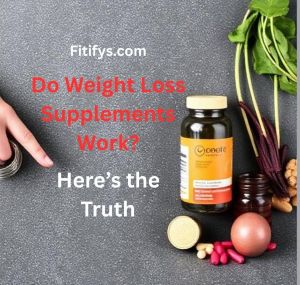
Weight loss supplements are products—pills, capsules, powders, or drinks—that claim to help you shed pounds. They often promise things like burning fat, curbing hunger, or speeding up your metabolism. You’ll see ingredients like caffeine, green tea extract, garcinia cambogia, or even newer buzzwords like “keto-friendly” extracts.
I remember picking up a bottle of fat-burner pills at a pharmacy years ago, thinking they’d be my shortcut to fitting into my favorite jeans. Spoiler: they didn’t work like I hoped, but they taught me to question the hype. Most supplements fall into a few categories, so let’s break them down.
Common Types of Weight Loss Supplements
- Fat Burners: These claim to rev up your metabolism, often with stimulants like caffeine or synephrine.
- Appetite Suppressants: Ingredients like glucomannan or hoodia are supposed to make you feel full so you eat less.
- Carb or Fat Blockers: These, like white kidney bean extract, claim to stop your body from absorbing carbs or fats.
- Metabolism Boosters: Green tea extract or L-carnitine are marketed to help your body burn calories faster.
Sounds great, right? But here’s where we need to get real about what they actually do.
The Truth About Weight Loss Supplements
Here’s the deal: most weight loss supplements don’t live up to their bold claims. The science is shaky, and results are often overstated. I learned this the hard way after spending money on a “miracle” supplement that left me jittery but no lighter. Let’s look at what research and real life tell us.
The Science Says…
Studies on weight loss supplements are mixed, and many are small or funded by the companies selling the products. Here’s the scoop on some popular ones:
- Caffeine: Found in many fat burners, it can slightly boost metabolism and energy, but the effect is small and fades if you use it daily. Think a few extra calories burned—not pounds melting off.
- Green Tea Extract: Contains catechins that might help burn fat, but studies show you’d need to drink tons of green tea for a noticeable effect. Supplements give a concentrated dose, but results are modest (like 1-2 pounds over months).
- Garcinia Cambogia: Marketed as a fat-blocker, it’s been studied a lot, but most research shows little to no weight loss compared to a placebo.
- Glucomannan: This fiber can make you feel full, which might help you eat less, but it’s not a game-changer without diet changes.
- Orlistat (Alli): A prescription-strength fat blocker that’s FDA-approved, it can lead to modest weight loss (3-5 pounds a year), but side effects like digestive issues can be rough.
The catch? Even when studies show some effect, it’s usually tiny compared to eating well and moving more. Plus, supplements aren’t regulated like drugs, so what’s on the label might not even be in the bottle.
Why the Hype Feels So Real
Those before-and-after photos and glowing reviews? They’re often staged or paid for. I fell for a celebrity-endorsed tea once, only to realize the “results” were from edited pics and crash diets, not the tea. Marketing plays on our desire for quick fixes, but sustainable weight loss takes time and effort.
The Risks You Need to Know
Supplements aren’t harmless. Some can cause side effects or interact with medications. For example:
- Stimulants: Caffeine or synephrine can cause jitters, insomnia, or heart palpitations.
- Unregulated Ingredients: Some products have hidden stimulants or banned substances, like ephedra, which was linked to heart attacks.
- Digestive Issues: Fat blockers like orlistat can lead to bloating or oily stools (yep, it’s as fun as it sounds).
- Nutrient Deficiencies: Relying on supplements instead of food can leave you short on vitamins.
I had a friend who tried a fat burner and ended up with sleepless nights and a racing heart—not worth it. Always check with a doctor, especially if you’re on meds or have health conditions.
What Actually Works for Weight Loss
If supplements aren’t the answer, what is? The truth is, weight loss comes down to a calorie deficit—burning more calories than you eat. But it’s not about starvation or crazy diets. Here’s what I’ve learned from my own journey and helping others through my site, https://fitifys.com/:
Focus on Real Food
Eating whole, nutrient-rich foods sets you up for success without gimmicks.
- Fill Up on Veggies and Protein: Broccoli, chicken, eggs, and lentils keep you full and fuel your body. I love a big salad with grilled chicken for lunch—it’s satisfying and keeps cravings at bay.
- Cut Back on Sugar: Sugary drinks and snacks spike hunger. Swapping soda for water was a game-changer for me.
- Portion Control: Use smaller plates or track portions for a week to get a feel for what’s enough.
Move Your Body
Exercise doesn’t have to mean hours at the gym. Find what fits your life.
- Start Small: A 20-minute walk most days adds up. I started with evening walks and felt more energized within a week.
- Mix It Up: Combine cardio (like jogging) with strength training (like squats) to burn calories and build muscle, which boosts metabolism.
- Make It Fun: Dance classes, hiking, or even chasing your kids around count. I joined a Zumba class and laughed my way through workouts.
Prioritize Sleep and Stress
Your lifestyle affects your weight more than you might think.
- Get 7-8 Hours of Sleep: Lack of sleep messes with hunger hormones, making you crave junk. A consistent bedtime helped me say no to late-night snacks.
- Manage Stress: Stress spikes cortisol, which can lead to weight gain. I do 5-minute breathing exercises when life gets hectic.
- Stay Hydrated: Drinking water helps you feel full and supports metabolism. I carry a water bottle everywhere.
Build Habits, Not Quick Fixes
Crash diets and supplements might give short-term results, but they don’t last. I tried a juice cleanse once and was hangry by day two. Instead, focus on small changes you can stick with:
- Set Realistic Goals: Aim to lose 1-2 pounds a week, which is sustainable.
- Track Progress: Use a journal or app to note what you eat and how you feel. It helped me spot patterns, like how skipping breakfast made me overeat later.
- Celebrate Wins: Lost 5 pounds or walked daily for a month? Treat yourself to new workout gear or a fun outing.
For more tips and meal plans, check out https://fitifys.com/—it’s packed with ideas to make healthy living doable.
When Supplements Might Have a Place
Okay, supplements aren’t all bad. Some can support a healthy lifestyle, but they’re not magic. Here’s when they might help:
- Nutrient Gaps: If you’re low on something like vitamin D or omega-3s, a supplement can help, but get tested first.
- Caffeine for Energy: A pre-workout coffee can boost your exercise, but you don’t need a fancy pill for that.
- Fiber Supplements: If you struggle to eat enough veggies, something like psyllium husk can help with fullness and digestion.
Always talk to a doctor or dietitian before starting anything new. They can guide you based on your body, not a bottle’s promises.
Wrapping It Up
Weight loss supplements sound tempting, but the truth is, they’re rarely the answer. Most don’t deliver big results, and some come with risks. Instead, focus on eating real food, moving your body, and building habits you can keep up. I’ve been there, chasing quick fixes and learning that slow and steady wins the race. My journey to feeling good in my skin came from consistent, small changes—not a pill. For more practical ideas, swing by https://fitifys.com/. What’s one healthy habit you’re ready to try? Let’s keep this conversation going!
(Word count: 1504)
FAQs
Q: Are there any weight loss supplements that are totally safe?
A: No supplement is 100% risk-free since they’re not tightly regulated. Even “safe” ones like green tea extract can cause issues if overdone. Check with a doctor to see what’s okay for you.
Q: How do I know if a supplement is legit?
A: Look for third-party testing (like USP or NSF seals) and avoid products with wild claims like “lose 10 pounds in a week.” Research ingredients and talk to a healthcare pro.
Q: Can I lose weight without changing my diet or exercise?
A: Supplements alone won’t do it. Weight loss needs a calorie deficit, which comes easiest from eating well and moving more. Start small with one healthy swap, like veggies for chips.