Early Signs of Heart Disease You Shouldn’t Ignore
Listen to your body—it’s trying to tell you something. Heart disease doesn’t usually show up overnight. In many cases, your body drops little hints along the way. The problem? A lot of those signs are easy to shrug off or blame on something else—like being tired, stressed, or just getting older. But spotting the early signs of heart disease could help you catch problems before they become serious—and even save your life. Let’s talk about what to watch for, how to tune in to your body, and when it’s time to check in with your doctor.
Why Early Detection Matters
Heart disease is still the #1 cause of death worldwide. The scary part? You can feel mostly “fine” until something big happens, like a heart attack or stroke. That’s why catching the early warning signs is so important. The sooner you act, the better your chances of managing it or even preventing major issues down the line. And no, you don’t need to panic—but awareness can be a powerful first step.
1. Fatigue That Doesn’t Make Sense
Excessive or unexplained fatigue that interferes with everyday activities may indicate heart disease. A medical evaluation should also be prompted by other concomitant symptoms like chest pain, shortness of breath, fast heartbeats, and ankle or leg swelling. If you suffer from chronic fatigue or other heart-related symptoms, it’s imperative that you see a doctor right away for a diagnosis and treatment.
We all feel tired sometimes. But if you’re constantly wiped out—even after a full night’s sleep or a relaxing weekend—that could be a red flag.
Pay attention if:
- You’re short of breath doing everyday things (like walking upstairs or carrying groceries)
- You feel drained for no clear reason
- Naps and rest don’t help
It could be your heart working overtime to pump blood, especially if your body isn’t getting enough oxygen.
2. Chest Discomfort (Even Mild)
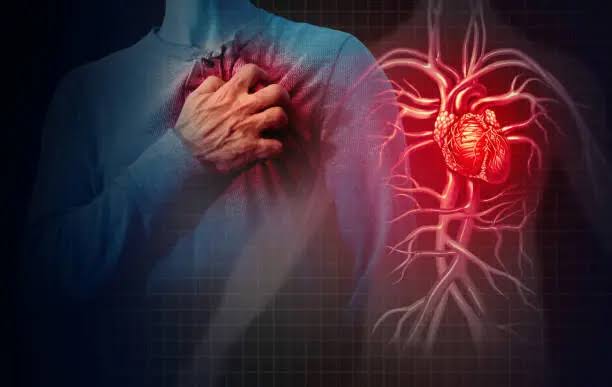
This one’s big. Chest pain or tightness is one of the more well-known signs—but not all chest pain is dramatic or severe.
It might feel like:
- Pressure or squeezing
- A burning or aching sensation
- Pain that comes and goes
Some people describe it like “an elephant sitting on their chest.” Others say it just feels “off.” Either way, don’t ignore it—especially if it happens during activity or stress.
3. Shortness of Breath
If you suddenly find yourself huffing and puffing after climbing stairs or walking around the block—something you used to do with no problem—it could be more than being out of shape.
This kind of shortness of breath (especially if it happens while resting or lying down) can be a sign of heart trouble.
4. Pain in the Arm, Neck, Jaw, or Back
Surprise: Not all heart problems show up in your chest. Sometimes, the discomfort spreads to other areas.
What to watch for:
- Pain or heaviness in the left arm
- Aching or tension in your neck, jaw, or upper back
- Symptoms that come on with activity and go away with rest
This is especially important if you’re a woman—women often experience heart-related pain in more subtle ways than men do.
5. Lightheadedness or Dizziness
Ever stand up and feel dizzy? That’s not always cause for concern. But frequent lightheadedness—especially combined with chest discomfort, nausea, or fainting—might be something your heart is behind.
It could mean your heart isn’t pumping enough blood to your brain. And that’s worth getting checked out.
6. Swelling in the Legs, Feet, or Ankles
When your heart isn’t working efficiently, blood can back up in your veins and cause fluid to build up in your lower body.
If your socks leave deep marks or your shoes feel tighter than usual—and you haven’t been on your feet all day—this could be a sign of heart failure or circulation issues.
7. Irregular Heartbeat or Fluttering
It’s normal for your heart to skip a beat now and then. But if you feel frequent fluttering, racing, or a sensation like your heart is “flip-flopping,” don’t brush it off.
It could be arrhythmia—a heart rhythm issue that needs attention. Left untreated, it can raise your risk of stroke or heart failure.
8. Nausea, Sweating, or Indigestion-Like Symptoms
Here’s a tricky one. Some people—especially women—experience what feels like indigestion or the flu before a heart attack.
Watch for:
- Cold sweats
- Nausea or vomiting
- A feeling of “heartburn” without eating anything spicy
If these symptoms feel out of the ordinary, especially with other warning signs, don’t hesitate—get help.
Real Talk: Trust Your Gut
No one wants to feel like a hypochondriac. But if something feels “off,” listen to your body. You know yourself better than anyone.
It’s better to get checked and be told everything’s okay than to ignore a sign that turns out to be serious.
What You Can Do Right Now
You don’t have to wait for a scare to start taking care of your heart. Here are some simple steps you can take today:
- Move more: Even 30 minutes a day can help
- Eat heart-smart: Think colorful fruits, veggies, whole grains, and lean proteins
- Quit smoking: It’s never too late
- Manage stress: Deep breathing, meditation, or even a short walk helps
- Know your numbers: Keep track of your blood pressure, cholesterol, and blood sugar
FAQs
1. Are the early signs of heart disease different for women?
Yes! Women often experience symptoms like fatigue, nausea, back or jaw pain, and shortness of breath—without the classic chest pain. That’s why it’s so important not to ignore those subtle signs.
2. When should I see a doctor about my symptoms?
If you’re experiencing any of the signs above—especially more than one—check in with your doctor. You don’t have to wait until it feels urgent.
3. Can heart disease be reversed?
While some damage can’t be undone, many people can improve their heart health significantly with lifestyle changes, medication, and early intervention. The sooner you act, the better your chances.