
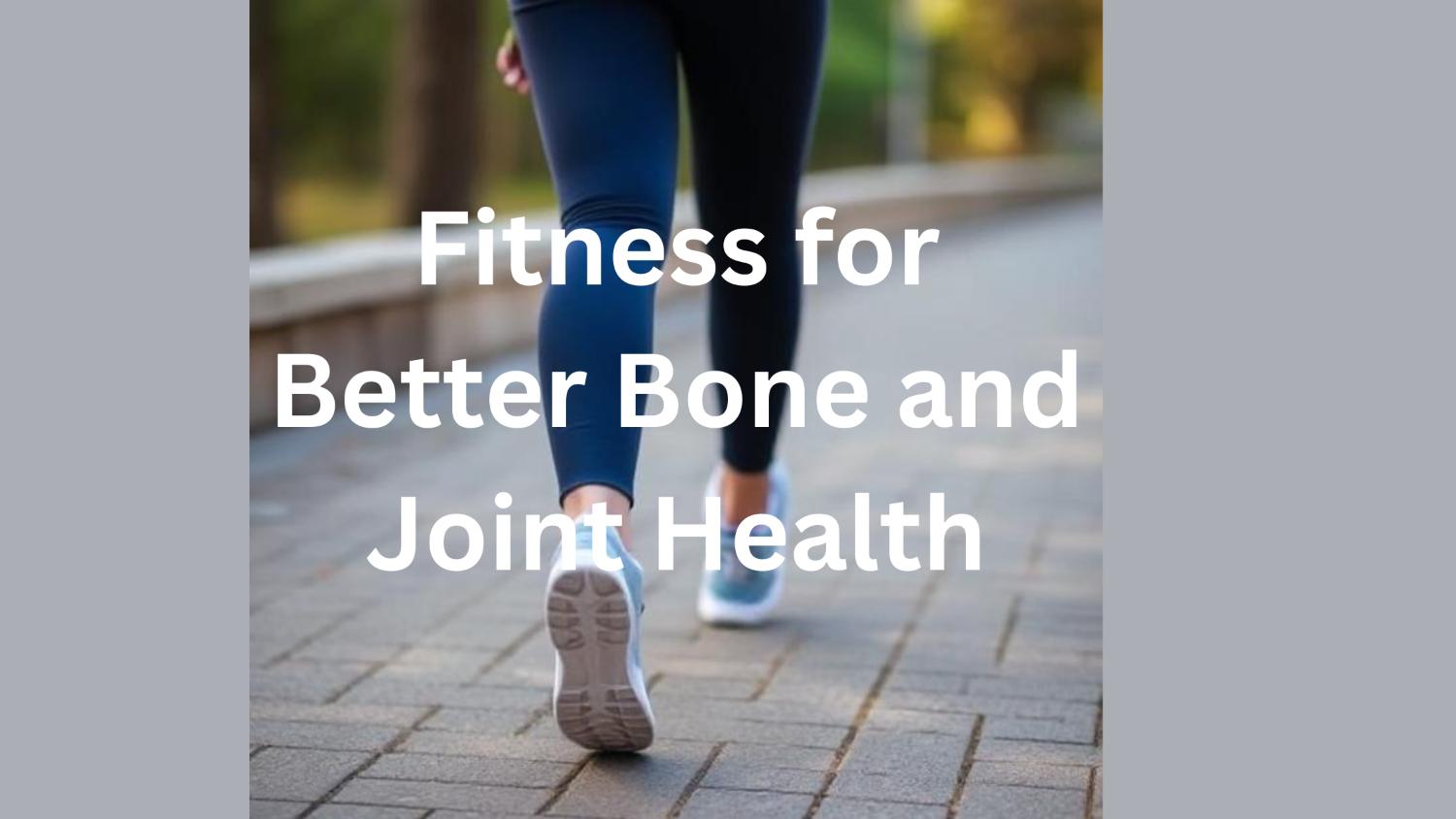
Fitness for Better Bone and Joint Health
(Yes, you can stay strong and pain-free as you age!)
Hey friend! A few years ago I watched my mom wince every time she stood up from the couch. She joked that her knees were “older than she was.” That moment hit me hard. I didn’t want to be in that chair 20 years from now. Turns out, the best thing we can do for our bones and joints isn’t some fancy supplement—it’s moving our bodies the right way, right now. Let’s talk about simple, doable workouts that actually build stronger bones and keep your joints happy.
Why Your Bones and Joints Need Exercise (Not Just Calcium)
Bones are living tissue. When you stress them in the right way (think walking, lifting, jumping), they respond by getting denser and tougher. Joints love movement too—moving lubricates them with synovial fluid so they glide instead of grind. Skip the movement and things get stiff, brittle, and creaky fast.
The Magic Trio: Weight-Bearing, Strength, and Balance
These three types of exercise are the golden ticket for bone health and physical activity.
1. Weight-Bearing Exercises (The Bone Builders)
These force you to work against gravity. Perfect for preventing osteoporosis with exercise.
- Brisk walking (yes, even around the neighborhood counts!)
- Hiking
- Dancing (Zumba, line dancing, or just shaking it in your kitchen)
- Stair climbing
- Tennis or pickleball
- Jogging or light running (if your joints are cool with it)
Real-life win: My friend Lisa started walking her dog 30 minutes every morning after her doctor warned her about low bone density. Two years later her scan showed improvement. No meds, just paws on pavement.
2. Strength Training (Your Bone Density Superpower)
Muscles pull on bones when they contract—that’s like sending a “get stronger” text message to your skeleton.
Best exercises for joint support and bone density (2–3 times a week):
- Squats or chair sit-to-stands
- Lunges (forward, reverse, or sideways)
- Deadlifts (even with light dumbbells or just bodyweight)
- Push-ups (wall, knee, or full)
- Rows (with bands or dumbbells)
- Overhead presses
Start light! I began with 8-pound dumbbells and now happily lift 25s. My knees thank me every day.
3. Balance & Flexibility (The Fall-Proof Combo)
Strong bones are great, but staying upright is the real goal.
Quick daily habits for healthy joints and movement:
- Single-leg balance while brushing teeth (30–60 seconds each side)
- Tai Chi or gentle yoga flows
- Calf stretches against the wall
- Hip circles or “figure 4” stretches while watching TV
Joint-Friendly Workout Routines (Even If You Already Have Aches)
Got cranky knees or a tricky back? These low-impact workouts for joint pain still deliver the goods.
Sample 25-Minute Joint-Friendly Routine
(Do this 3–4 times a week)
Warm-up (5 min)
- March in place or walk around the house
- Arm circles + gentle torso twists
Strength Circuit (12–15 min)
Do 10–12 reps of each, 2–3 rounds
- Chair squats or regular squats
- Wall push-ups
- Seated or standing rows (use resistance bands or water bottles)
- Step-ups on the bottom stair
- Bird-dog (on all fours, extend opposite arm and leg—killer for core and spine)
Balance & Mobility (5 min)
- Heel-to-toe walk (like a tightrope)
- Tree pose (hold onto a chair if needed)
- Seated or standing hamstring and hip flexor stretches
Cool-down
Big deep breaths and a happy dance because you just did something awesome for your future self.
Little Habits That Add Up Big
- Carry your groceries instead of using the cart every time.
- Take the stairs when you can (even one flight counts).
- Stand up and march during TV commercials.
- Garden—digging and weeding is legit weight-bearing work.
Nutrition Quick-Hits (Because Food Helps Too)
Exercise tells your bones to get stronger; food gives them the raw materials.
- Calcium: leafy greens, fortified almond milk, yogurt, sardines with bones
- Vitamin D: 15 minutes of sunshine, salmon, eggs, or a supplement
- Magnesium: nuts, seeds, dark chocolate (yes, really)
- Protein: keeps muscles strong so they protect joints
When to Modify or Get Help
Listen to your body. Sharp pain = stop and check in with a doctor or physical therapist. Dull ache that eases as you move? Probably safe to keep going gently.
My Favorite “I’m Too Busy” 10-Minute Routine
Some days are chaos. On those days I do:
- 2 minutes marching in place
- 20 bodyweight squats
- 20 wall push-ups
- 10 single-leg balances each side
- Stretch while the kettle boils
Ten minutes > zero minutes. Every single time.
You don’t need to become a gym warrior overnight. Just start moving in ways that make your bones say “thank you” and your joints feel smoother. Your 70-year-old self is already cheering for you.
Your Super-Simple Action Plan This Week
- Walk briskly 3 times for at least 20 minutes
- Add 2 short strength sessions (use the routine above)
- Practice balancing on one leg while brushing your teeth
- Eat one extra serving of greens or dairy every day
FAQs
Q: I already have osteoporosis—can I still lift weights?
A: Yes! Research shows strength training is safe and actually one of the best things you can do. Start with a physical therapist or trainer who knows osteoporosis guidelines (avoid spinal flexion moves like crunches or toe touches).
Q: My knees hurt when I squat. Any alternatives?
A: Try box squats (sit back onto a sturdy chair then stand), step-ups, or glute bridges. Water walking or pool exercises are also magic for sore joints.
Q: How soon will I notice a difference?
A: You’ll feel looser and steadier in 2–4 weeks. Bone density changes take longer (6–12 months), but every workout is a deposit in your future health bank.
You’ve got this. Pick one thing from this list today—maybe a quick walk or a few squats—and let’s keep those bones and joints happy for decades to come. Which move are you trying first? Tell me below! 💪