Fitness Trends That Are Taking Over Social Media
Social media has completely changed how people approach fitness. Workouts are no longer locked inside gyms or long programs—they’re now short, relatable, and easy to try at home. From walking challenges to low-impact strength routines, fitness trends today focus on consistency, simplicity, and sustainability. Instead of pushing extremes, these trends meet people where they are.
What makes these trends powerful isn’t just popularity—it’s accessibility. Many are beginner-friendly, realistic for busy schedules, and easy to adapt to real life. Let’s dive into the biggest fitness trends taking over social media right now and why so many people are sticking with them.
1. Walking Workouts & Step Challenges
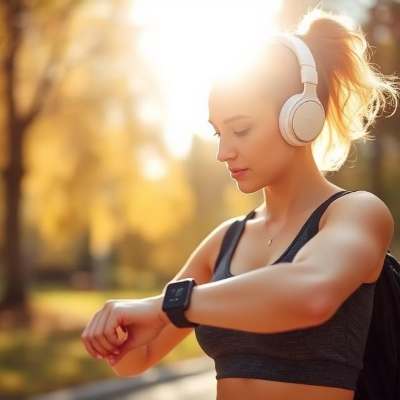
Walking workouts have become one of the biggest fitness trends on social media—and for good reason. Influencers and fitness creators are proving that walking isn’t “lazy exercise,” but an effective and sustainable way to stay active. Step challenges like 8k–12k steps a day motivate people without overwhelming them. Walking supports fat loss, heart health, and mental wellness while being gentle on the joints.
What makes walking trends so popular is how realistic they are. You don’t need equipment, a gym membership, or perfect fitness levels. People walk during lunch breaks, errands, or while listening to podcasts. Social media communities turn this simple habit into a daily ritual, proving that consistency matters more than intensity for long-term health.
2. Short & Effective Workouts (10–20 Minutes)
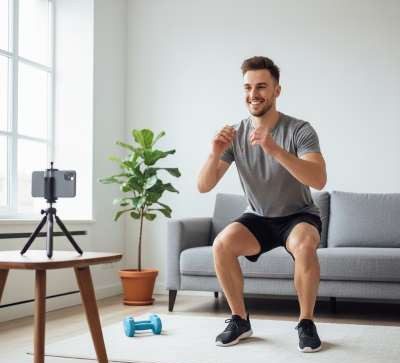
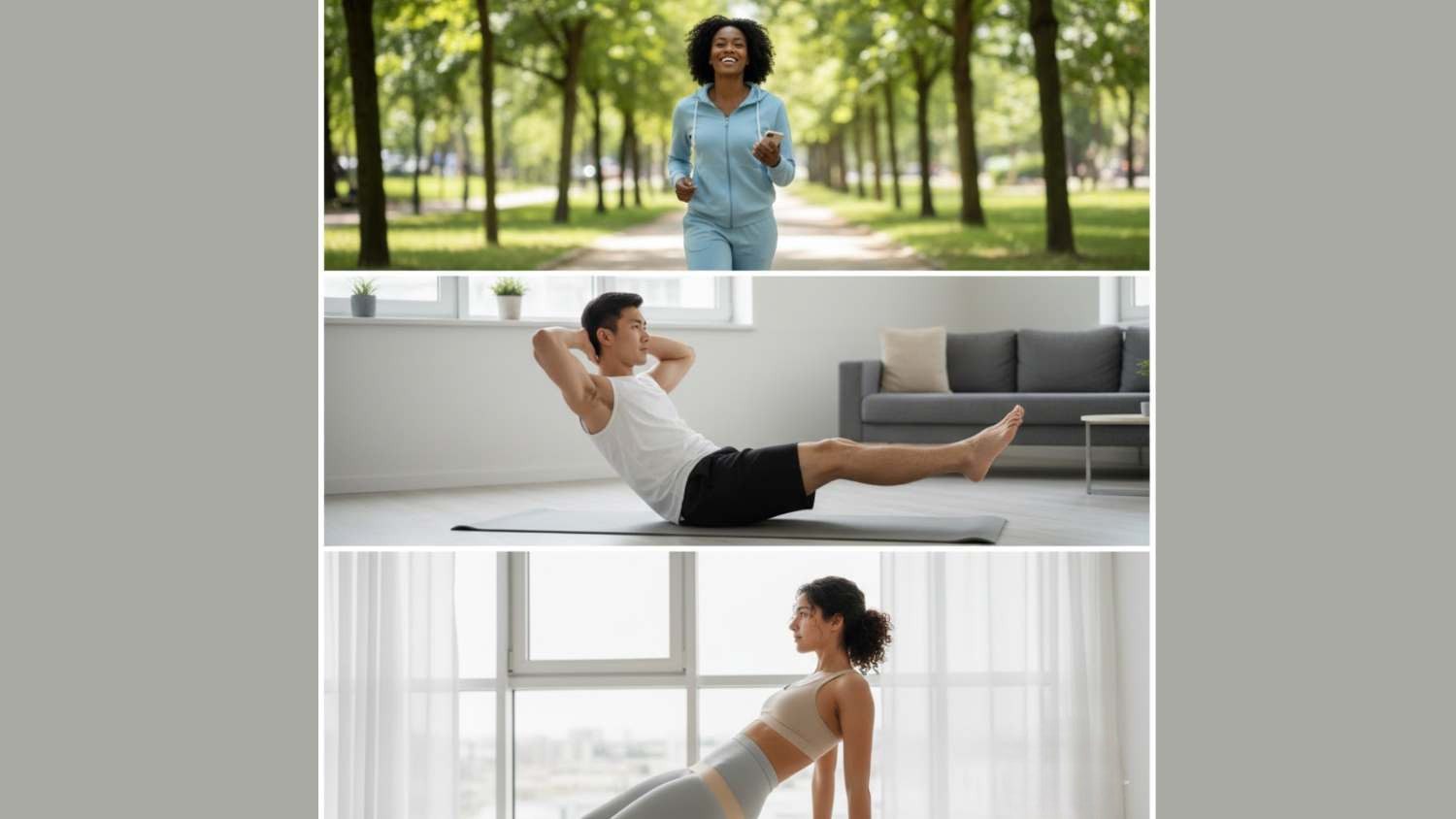
Short workouts are dominating social feeds because people want results without spending hours exercising. Platforms like Instagram and TikTok thrive on 10–20 minute routines that fit into busy schedules. These workouts focus on efficiency, combining strength, cardio, and mobility into quick sessions that still challenge the body.
The appeal is simple: shorter workouts feel doable. When exercise feels manageable, people are more likely to stay consistent. Social media creators emphasize progress over perfection, encouraging movement—even if it’s brief. These workouts remove the “no time” excuse and help turn fitness into a daily habit rather than an all-or-nothing commitment.
3. Low-Impact Strength Training
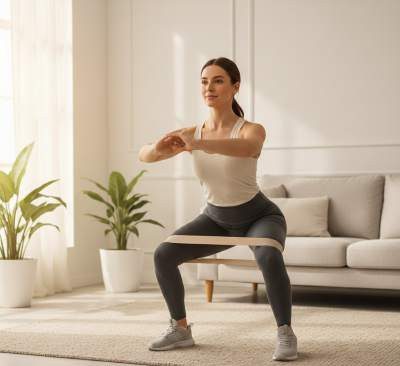
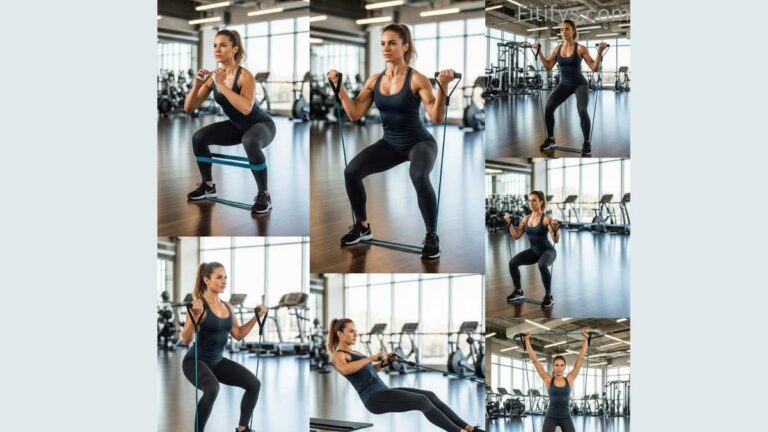
Low-impact strength training is trending as more people prioritize joint health and longevity. Instead of jumping or high-intensity moves, these workouts use resistance bands, light dumbbells, and slow, controlled movements. Social media has played a huge role in showing that you can build strength without stressing your knees, hips, or back.
This trend attracts beginners, older adults, and anyone recovering from injuries. Creators highlight muscle tone, posture, and functional strength rather than extreme transformation. By showcasing realistic bodies and gentle progress, low-impact fitness trends encourage people to move safely while still seeing real benefits over time.
4. Pilates-Inspired & Core-Focused Workouts
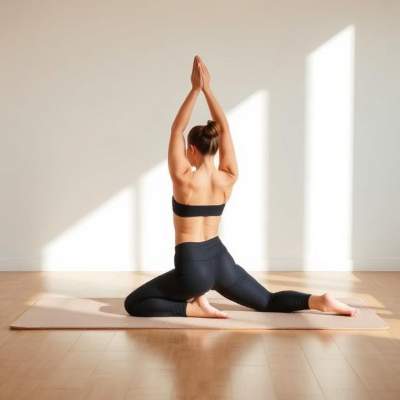
Pilates-inspired workouts are everywhere on social media, especially among people seeking strength, balance, and flexibility. These routines focus on slow, intentional movements that target the core, glutes, and posture muscles. Unlike fast-paced workouts, Pilates emphasizes control, breathing, and alignment, making it both calming and challenging.
Social media creators love Pilates-style workouts because they’re visually appealing and beginner-friendly. Many routines require little to no equipment, making them perfect for home workouts. This trend supports better posture, reduced back pain, and overall body awareness—benefits that resonate with people looking beyond weight loss alone.
5. Fitness as Self-Care, Not Punishment
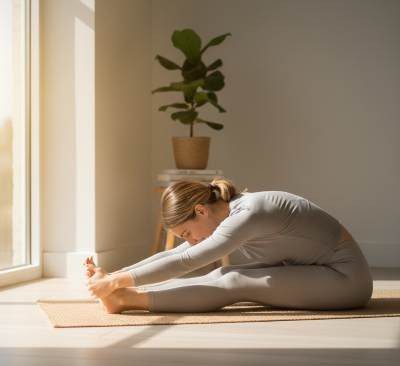
One of the most powerful trends taking over social media is the shift in mindset. Fitness is no longer presented as punishment for eating or skipping workouts—it’s shown as self-care. Creators talk openly about rest days, mental health, and listening to your body, creating a more balanced approach to movement.
This trend helps people heal their relationship with exercise. By focusing on how movement feels rather than how it looks, fitness becomes enjoyable and sustainable. Social media is reshaping wellness by reminding people that showing up gently and consistently is better than chasing extreme results that never last.
Why These Trends Are Here to Stay
What makes these fitness trends so impactful is their focus on real life—not perfection. They align with busy schedules, mental health awareness, and sustainable habits. Instead of promoting burnout, they encourage balance, flexibility, and long-term wellness.
As social media continues to evolve, fitness trends will likely become even more inclusive and accessible. If there’s one takeaway, it’s this: the best workout is the one you’ll actually do. These trends prove that movement doesn’t have to be complicated to be effective—it just needs to fit your life.
FAQs
1. Are social media fitness trends actually effective?
Yes—if you choose ones that fit your lifestyle. Short workouts, walking, and strength training all work when done consistently. The key is following trends that you can realistically stick to, not just what looks impressive online.
2. Can beginners follow these fitness trends safely?
Absolutely. Many current fitness trends are beginner-friendly and low-impact. Start slow, take breaks, and focus on proper form. If something feels painful, modify or stop.
3. How do I stay consistent with my fitness routine?
Keep it simple. Pick workouts you enjoy, set realistic goals, and avoid all-or-nothing thinking. Even 10 minutes a day adds up over time.