How Much Protein Do You Need to Lose Weight?
If you’re trying to lose weight, there’s a good chance you’ve heard that protein is your best friend. But how much do you really need? Should you load up on chicken breasts and protein shakes every day, or is that overkill?
Let’s break it all down in a simple, no-nonsense way—just like talking to a friend who’s been there.
Why Protein Matters for Weight Loss
Before we get into the numbers, here’s why protein is such a big deal when you’re trying to lose weight:
- Keeps You Full Longer
Ever eat a bowl of cereal and feel hungry an hour later? That’s because carbs alone burn fast. Protein takes longer to digest, so it helps keep you full and satisfied. - Boosts Your Metabolism
Your body actually burns calories just to digest protein. This is called the thermic effect of food, and protein has the highest effect compared to carbs and fats. - Protects Muscle While You Lose Fat
When you’re in a calorie deficit, your body can break down muscle. Protein helps protect your lean muscle mass, so you’re losing fat—not muscle.
How Much Protein Do You Actually Need?
This depends on a few things: your weight, activity level, and personal goals.
General Rule of Thumb for Weight Loss:
Most experts recommend:
0.7 to 1 gram of protein per pound of body weight per day
So, if you weigh 160 pounds and you’re trying to lose weight:
160 lbs × 0.8 g = 128 grams of protein per day
That might sound like a lot, but don’t worry—we’ll talk about easy ways to hit your goal later.
If You’re Very Active or Lifting Weights:
If you’re working out regularly, especially strength training or HIIT workouts, aim for the higher end:
1.0 to 1.2 grams per pound of body weight
This helps support muscle recovery and growth while you’re in a calorie deficit.
Real-Life Example: What Does That Look Like?
Let’s say you’re a woman who weighs 150 pounds and wants to drop 10–15 pounds.
Your goal protein intake: around 120 grams per day
Here’s what that could look like in a day:
- Breakfast:
3 eggs + 1 slice whole grain toast (18g) - Snack:
Greek yogurt with berries (15g) - Lunch:
Grilled chicken salad with olive oil dressing (35g) - Snack:
Protein shake with almond milk (20g) - Dinner:
Baked salmon with veggies and quinoa (35g)
Total: ~123g protein
Best Protein Sources for Weight Loss
You don’t need to eat steak every night. Mix things up! Here are some lean, high-protein foods to include in your diet:
Animal-Based:
- Chicken breast
- Turkey
- Eggs & egg whites
- Lean beef
- Fish (salmon, tuna, cod)
- Greek yogurt
- Cottage cheese
Plant-Based:
- Lentils
- Chickpeas
- Black beans
- Tofu & tempeh
- Edamame
- Quinoa
- Nuts & seeds (in moderation)
Bonus: Protein Supplements
Protein powders can help, especially if you’re short on time. Look for whey, pea, or brown rice protein—just watch for added sugars or artificial junk.
Tips to Hit Your Protein Goals Without Overthinking It
Here’s how to make it easy:
- Start Your Day With Protein
Add eggs, Greek yogurt, or a protein smoothie to breakfast. Starting strong makes a big difference. - Protein with Every Meal
Make protein the star of your plate, not just a side. - Snack Smarter
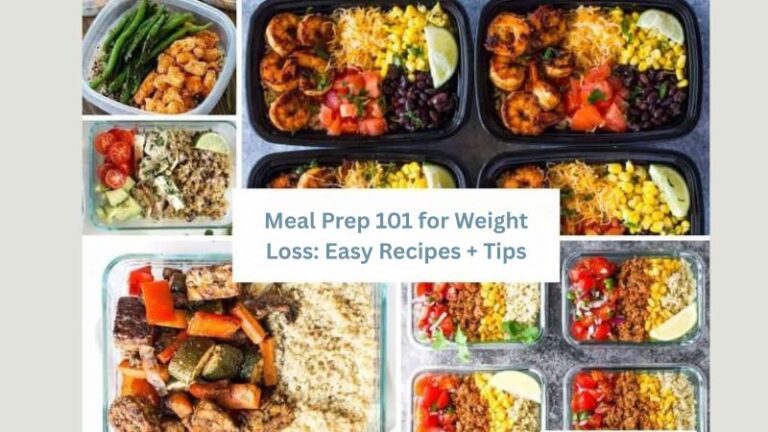
Swap out chips or cookies for string cheese, hard-boiled eggs, or roasted chickpeas. - Prep Ahead
Cook a batch of chicken, tofu, or turkey on Sunday. Use it in salads, wraps, and bowls all week. - Track It (At Least for a While)
Use apps like MyFitnessPal or Cronometer to track your intake. After a week or two, you’ll get the hang of what foods give you the most bang for your buck.
But Wait—Can You Have Too Much Protein?
Yes, you can overdo it. Loading up on tons of protein while eating very few carbs or fat can make your diet feel unbalanced. Plus, excess calories—even from protein—can still lead to weight gain.
Stick to the recommended range and focus on overall balance, not extremes.
Frequently Asked Questions
1. Can I lose weight without eating a lot of protein?
Yes, but it’s harder. Without enough protein, you might feel hungrier, lose muscle, and burn fewer calories overall. Even if you’re plant-based, you can get enough protein with the right food combos.
2. Should I eat protein before or after a workout?
Both can help, but it depends on your schedule. A small protein snack before a workout gives you energy, and eating protein afterward helps with recovery. If you only choose one, prioritize post-workout protein.
3. What’s the best protein powder for weight loss?
Look for one that’s low in sugar and high in protein per scoop (20–25g). Whey protein is great if you’re not dairy-sensitive. Vegan options like pea, brown rice, or soy protein are also effective.
Final Thoughts
Getting enough protein is one of the simplest and most effective changes you can make when trying to lose weight. It helps you feel full, keeps your metabolism humming, and protects your muscle—all super important when you’re cutting calories.
You don’t need to obsess over numbers or eat dry chicken five times a day. Just build your meals around quality protein sources, track it for a bit, and stay consistent. Your body (and your progress) will thank you.