How to Keep Your Heart Healthy After 30
It’s easier (and more important) than you might think
Turning 30 often brings a mix of feelings. You’re wiser, more settled—but maybe a little more tired after staying out late. One thing that often sneaks up on us in our 30s? Our heart health.
Even if you feel totally fine, now’s the time to start giving your heart the attention it deserves. Why? Because the choices you make in your 30s lay the foundation for your health in your 40s, 50s, and beyond.
And don’t worry—you don’t need to be a marathon runner or a health nut. Just a few small changes can make a big difference.
Let’s talk about simple, doable ways to keep your heart happy and strong after 30.
Why 30 Is a Turning Point for Heart Health
Here’s the thing: your body changes after 30. You may not bounce back from junk food or missed sleep the way you used to. Your metabolism slows down. Stress adds up. And for some people, this is when things like high blood pressure or cholesterol begin to creep in.
But the good news? You have a ton of control over your heart health—starting now.
1. Move Your Body (In a Way You Actually Enjoy)
Exercise doesn’t have to mean dragging yourself to the gym at 6 a.m. Just get your heart pumping regularly.
Try this:
- Go for a brisk 30-minute walk during your lunch break
- Dance around the kitchen while making dinner
- Take the stairs more often
- Try a beginner yoga video at home
The key is consistency. Aim for at least 150 minutes of moderate activity each week. If that sounds like a lot, break it into chunks—every little bit counts.
2. Feed Your Heart the Right Fuel
Your heart needs more than love—it needs nutrients. After 30, your body doesn’t process food quite the same way, so eating well becomes even more important.
Heart-friendly foods to focus on:
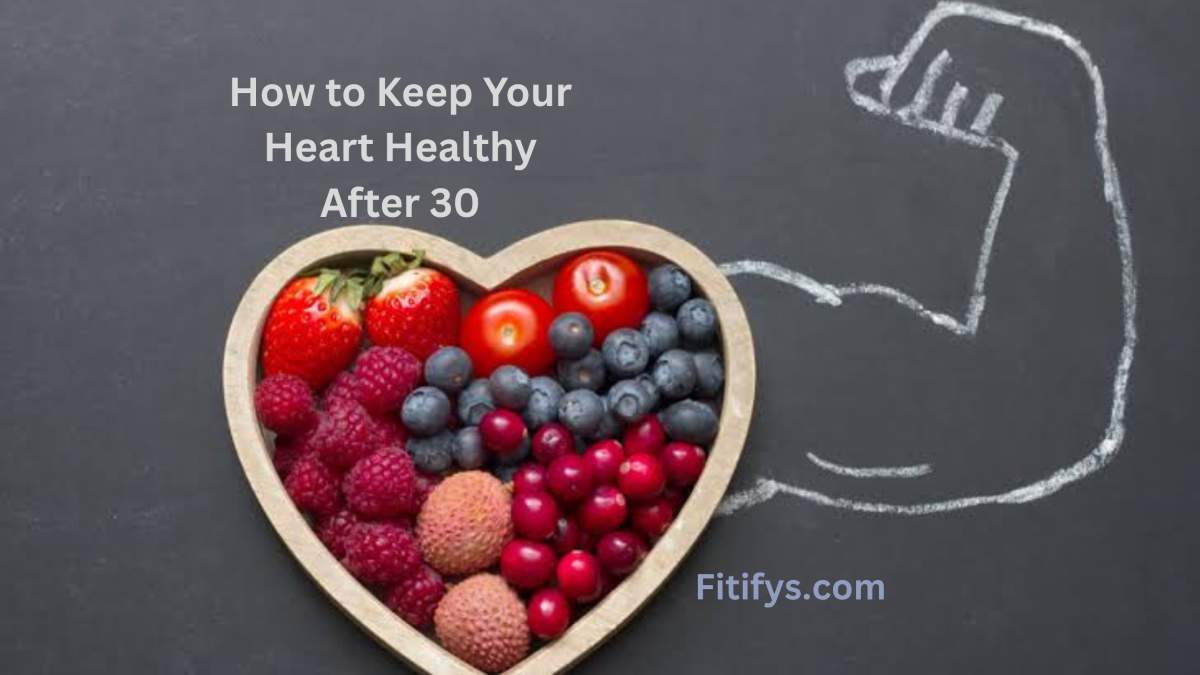
- Fruits & veggies: Eat the rainbow (especially leafy greens, berries, oranges)
- Whole grains: Brown rice, oats, quinoa
- Healthy fats: Avocados, olive oil, nuts, seeds
- Lean protein: Fish, chicken, tofu, beans
Try cutting back on:
- Processed foods
- Added sugars
- Excess salt (your blood pressure will thank you)
- Red and processed meats
Real-life tip: Meal prep once a week. Even prepping just two healthy meals ahead of time can help you make better choices throughout the week.
3. Sleep Like It’s Your Job
You might’ve survived on 4 hours of sleep in your 20s, but that doesn’t fly anymore. Poor sleep can increase your risk for high blood pressure, weight gain, and even heart disease.
Build better sleep habits:
- Stick to a regular sleep schedule
- Keep your bedroom cool and dark
- Avoid screens an hour before bed
- Cut off caffeine after 2 p.m.
And if you’re tossing and turning every night, talk to your doctor. Sleep apnea, stress, or anxiety could be part of the problem.
4. Know Your Numbers
It might not sound exciting, but knowing your blood pressure, cholesterol, and blood sugar levels is huge for preventing heart problems.
Get a check-up at least once a year. If anything’s creeping up, you’ll have time to fix it before it becomes a bigger issue.
Not sure where to start? Ask your doctor about a basic heart health screening. It’s quick and can give you a clearer picture of where you stand.
5. Watch Your Stress Levels
Let’s be real—your 30s can be stressful. Careers, families, bills—it’s a lot. But chronic stress can take a toll on your heart.
When you’re always in “go mode,” your body stays in fight-or-flight mode. That means higher blood pressure, more inflammation, and more wear and tear on your cardiovascular system.
Simple ways to unwind:
- Take 5-minute breathing breaks
- Go for a walk without your phone
- Journal for a few minutes at night
- Talk to a friend or therapist
- Try meditation apps (even 2 minutes helps!)
6. Don’t Skip Health Appointments
You’re not invincible (even if you still feel pretty young). Regular checkups, dental visits, and even eye exams can give early warning signs of health issues—including ones that affect your heart.
Pro tip: Set a recurring reminder in your calendar so it’s not “out of sight, out of mind.”
7. Say Goodbye to Smoking (and Go Easy on Alcohol)
You’ve probably heard it a million times, but here it is again: smoking is one of the worst things for your heart. If you still smoke, this is the time to quit. Your body starts healing the moment you stop.
And while a glass of wine now and then is fine, too much alcohol can raise blood pressure and strain your heart.
Try this:
- Have “dry” weekdays or alcohol-free weekends
- Swap cocktails for mocktails or sparkling water
- Find non-drinking ways to wind down (a hot bath, a walk, a podcast)
Keep It Real: Progress Over Perfection
You don’t need to change everything overnight. The goal isn’t to be perfect—it’s to be better than yesterday.
Start with one small change. Maybe that’s taking a walk after dinner instead of watching TV, or swapping chips for almonds. Each little shift adds up.
At Fitifys.com, we’re all about real-life health tips that work for your everyday routine. Because taking care of your heart shouldn’t feel like a second job—it should feel like self-care.
FAQs
1. I’m in my 30s and feel fine—do I really need to worry about my heart?
Absolutely. Heart disease often develops quietly over time. Taking steps now can help prevent issues later—and feeling good now doesn’t mean everything’s perfect under the hood.
2. How often should I get my heart checked?
At least once a year, especially if you have a family history of heart disease or other risk factors. It’s better to catch things early.
3. Can lifestyle changes really make a difference after 30?
Yes! Your heart is incredibly responsive to positive changes. Exercise, eating well, managing stress, and sleeping better can all lower your risk of heart disease—no matter your age.