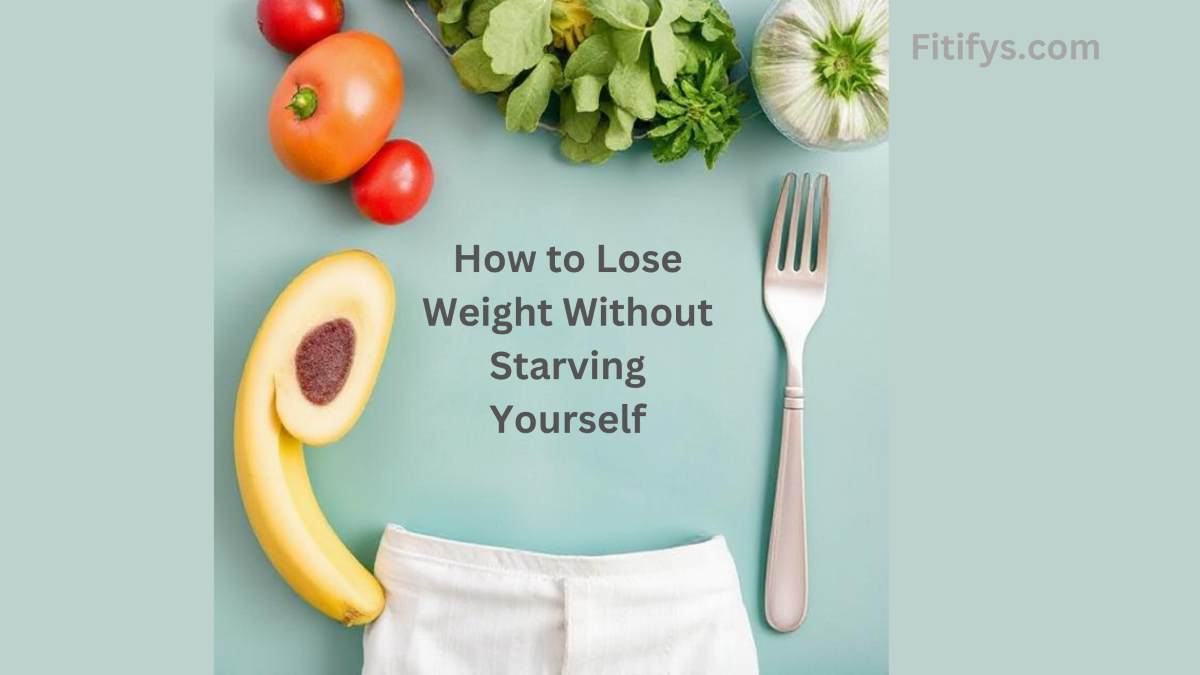
How to Lose Weight Without Starving Yourself
Let’s be honest—losing weight can feel overwhelming, especially when so many diets tell you to cut out your favorite foods or eat like a rabbit. If you’ve ever skipped meals hoping to drop pounds faster, you’re not alone. But here’s the truth: you don’t need to starve yourself to lose weight.
In fact, starving yourself can slow down your progress, mess with your metabolism, and make you feel cranky, tired, and, well, pretty miserable.
So, how do you lose weight in a healthy, sustainable way—without feeling deprived all the time?
Let’s break it down together.
Why Starving Yourself Doesn’t Work
At first, it might seem like eating less will help you lose more. But here’s what really happens when you skip meals or drastically cut calories:
- Your metabolism slows down to conserve energy
- You start losing muscle instead of fat
- Cravings go up, and binge eating becomes more likely
- Your body goes into “survival mode,” holding onto fat
Sound familiar? It’s your body’s natural response. It’s trying to protect you—even if your goal is weight loss.
A Smarter (and Happier) Way to Lose Weight
Weight loss doesn’t have to mean being hungry all the time. It’s about eating smarter, moving more, and staying consistent—not punishing yourself.
Here’s how you can lose weight without going hungry.
1. Eat Real, Whole Foods
Instead of eating less, focus on eating better. Whole foods are naturally filling and packed with nutrients.
What to include:
- Vegetables – Fill half your plate with colorful veggies
- Lean proteins – Chicken, eggs, tofu, beans, or fish keep you full
- Healthy fats – Avocados, nuts, seeds, olive oil
- Whole grains – Brown rice, oats, quinoa for energy
The more nutrient-dense your meals are, the less you’ll crave snacks and junk later.
2. Don’t Skip Meals—Especially Breakfast
Skipping meals often backfires. You get super hungry later and end up overeating.
Instead:
- Eat a balanced breakfast (think eggs, oats, or yogurt with fruit)
- Plan simple lunches and dinners that include protein and fiber
- Keep healthy snacks on hand (like nuts, fruit, or hummus with veggies)
Your body needs steady fuel to burn fat efficiently.
3. Watch Portions Without Counting Every Calorie
You don’t need to obsess over numbers, but portion control helps you stay on track.
Easy tips:
- Use a smaller plate to naturally eat less
- Eat slowly and stop when you’re about 80% full
- Avoid eating straight from the bag—portion it out first
Mindful eating is your secret weapon. Listen to your body—it usually knows when it’s had enough.
4. Stay Hydrated (It’s More Important Than You Think)
Sometimes we think we’re hungry when we’re actually just thirsty.
- Aim for 6–8 glasses of water a day
- Start your day with a glass of water before anything else
- Drink a glass of water before meals—it can help curb overeating
Bonus: Staying hydrated also improves energy, skin, and digestion.
5. Move Your Body—In a Way You Actually Enjoy
You don’t need to kill yourself in the gym every day. The best workout is the one you’ll actually do.
Try:
- Dancing at home to your favorite playlist
- Brisk walking around your neighborhood
- Strength training 2–3 times a week (great for fat loss)
- Home workouts (check out Fitifys.com for ideas!)
Moving your body helps burn calories, boost mood, and keep your metabolism humming.
6. Sleep and Stress Matter Too
Here’s something most weight loss plans don’t talk enough about: your sleep and stress levels can make or break your progress.
- Aim for 7–9 hours of sleep each night
- Practice stress-relief habits—journaling, walking, or just taking breaks
- Chronic stress releases cortisol, which encourages belly fat storage
Take care of your mind, and your body will follow.
Real Talk: Your Weight Loss Doesn’t Need to Be Perfect
Let me tell you about Sarah, one of our Fitifys readers. She used to skip meals, drink only coffee until 2 p.m., and wonder why the scale wasn’t moving. Once she started eating balanced meals (and added a 20-minute walk after dinner), she lost 10 pounds over 3 months—without starving or stressing.
Her biggest win? “I’m not cranky or exhausted anymore. I feel strong and in control.”
And that’s what this is really about: feeling better in your body, not punishing it.
You’ve Got This—One Meal, One Step at a Time
Losing weight without starving yourself is not only possible—it’s the best way to keep it off for good. Focus on nourishment, movement, sleep, and self-care. Be patient with yourself. The small stuff adds up.
Remember, this is about progress, not perfection.
FAQs
1. Can I still lose weight if I eat three full meals a day?
Absolutely! Eating balanced meals keeps your metabolism running smoothly and helps control cravings. It’s all about what and how much you eat—not just how often.
2. What should I eat if I get hungry between meals?
Reach for a healthy snack with protein and fiber—like a handful of nuts, a boiled egg, apple slices with peanut butter, or hummus with carrots. These keep you full without sabotaging your progress.
3. How long will it take to see results if I don’t starve myself?
Everyone’s different, but healthy weight loss is usually 1–2 pounds per week. It might feel slow, but it’s more sustainable—and you’ll feel better throughout the process.