
How to Stay Active for Lifelong Health
Hey there! Want to feel strong, energized, and healthy for years to come? Staying active isn’t about running marathons or living at the gym—it’s about finding fun, sustainable ways to move your body every day. My friend Priya, a 35-year-old mom, used to think she was too busy for exercise, but small habits like daily walks transformed her health and mood. Let’s chat about how to stay active for lifelong health with simple, practical tips that fit your life, no matter your age or schedule. Ready to keep moving and thriving? Let’s dive in!
Why Staying Active Is Key for Lifelong Health
Being active keeps your body strong, your mind sharp, and your energy high, setting you up for a healthier, happier life. It’s not just about looking good—it’s about feeling great and preventing health issues down the road. Priya used to feel stiff and tired, but adding short bursts of movement helped her sleep better and stress less. Science backs this up: regular activity reduces risks of heart disease, diabetes, and depression while boosting longevity. These tips are easy, flexible, and designed to keep you active for the long haul, supporting your overall health.
Simple Ways to Stay Active for Lifelong Health
To stay active for lifelong health, aim for 30 minutes of moderate exercise most days, incorporating activities you enjoy like walking, swimming, dancing, or gardening. Integrate movement into your daily routine by taking the stairs, walking to nearby errands, or parking further away. Also, build muscle with strength training two or more days a week and improve flexibility with yoga or stretching to reduce injury risk.
Here are 10 practical habits to keep you moving, with examples and tips to make them part of your life.
1. Walk Every Day
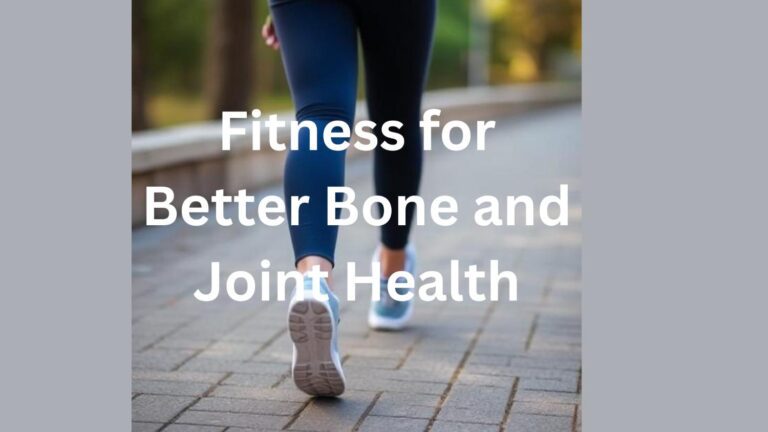
Walking every day is a simple, accessible exercise with numerous benefits, including improved cardiovascular health, stronger bones and muscles, reduced stress, better weight management, and a lower risk of chronic conditions like heart disease, type 2 diabetes, and some cancers. Just 30 minutes of daily walking can significantly boost overall fitness, increase energy, improve mood, and even reduce the risk of dying from various causes.
Walking is a low-impact, lifelong way to boost health and stay active.
- How to Do It:
- Aim for 20-30 minutes daily (or break into two 15-minute walks).
- Walk during lunch breaks, after dinner, or while on calls.
- Take the scenic route to work or stores.
- Why It Helps: Burns 100-200 calories per session, strengthens your heart, and lifts mood.
- Example: Priya walks her dog daily, hitting 8,000 steps and feeling energized.
- Tip: Use a step tracker or app, aiming for 7,000-10,000 steps daily.
2. Add Strength Training
To “add strength training,” incorporate exercises using weights, resistance bands, or your own body weight to build muscle, improve bone density, enhance balance, and boost metabolism. Start with bodyweight exercises like squats and push-ups, add resistance bands for more challenge, or use free weights and machines at a gym. Aim for two to three sessions per week, focusing on compound movements that work multiple muscle groups.Building muscle keeps you strong and independent as you age, supporting lifelong health.
- How to Do It:
- Do bodyweight exercises (10 push-ups, 15 squats, 10 lunges) 2-3 times a week.
- Use light dumbbells or resistance bands for rows or bicep curls.
- Try strength workouts from Health.
- Why It Helps: Boosts metabolism, strengthens bones, and reduces injury risk.
- Example: Mike, 38, does squats at home, feeling stronger lifting groceries.
- Tip: Start with 10-minute sessions and increase reps over time.
3. Stretch for Flexibility
Daily stretching keeps your joints mobile and your body pain-free.
- How to Do It:
- Spend 5-10 minutes on stretches like hamstring, quad, or shoulder stretches.
- Try a yoga flow (Cat-Cow, Downward Dog) in the morning.
- Follow guided stretches from Health.
- Why It Helps: Improves flexibility, reduces stiffness, and supports joint health.
- Example: Sonia, 42, stretches before bed, easing back pain and sleeping better.
- Tip: Pair with calming music for a relaxing routine.
4. Try Active Hobbies
These hobbies are recommended for active people to stay fit, feel good, and connect with others. They promote wellness while offering a fun way to be creative, manage stress, and grow personally. These activities bring energy and inspiration, adding excitement and purpose to life.
Turn fun activities into exercise to stay active without it feeling like work.
- How to Do It:
- Garden, dance, or bike for 20-30 minutes a few times a week.
- Join a recreational sports team (e.g., soccer, pickleball).
- Explore hiking trails or swimming on weekends.
- Why It Helps: Burns calories, boosts mood, and makes activity enjoyable.
- Example: Raj, 40, took up dancing with his wife, staying fit and having fun.
- Tip: Find hobby ideas on Health to spark interest.
5. Take Active Breaks
Taking active breaks involves brief interruptions from sedentary tasks to perform simple physical activities, like stretching, walking, or doing light exercises, which boost energy, focus, and mood while improving physical health. These short bursts of movement combat the negative effects of prolonged sitting by improving circulation, relieving muscle tension, and reducing fatigue. Common active break activities include neck rolls, shoulder shrugs, short walks around the office, and simple exercises like jumping jacks or push-ups, making them a beneficial strategy for both physical and mental well-being.
Short bursts of movement during the day add up to big health benefits.
- How to Do It:
- Do 1-minute jumping jacks or high knees during work breaks.
- Stretch for 2 minutes (neck rolls, side bends) between tasks.
- Walk around your house or office for 3 minutes hourly.
- Why It Helps: Keeps energy up, reduces sedentary time, and boosts circulation.
- Example: Priya does high knees during TV ads, adding 10 minutes of daily activity.
- Tip: Set a timer to prompt quick movement breaks.
6. Use Stairs for Cardio
Climbing stairs is a simple way to sneak in cardio and strength for lifelong health.
- How to Do It:
- Take stairs instead of elevators at work or home.
- Climb two steps at a time for extra challenge (if safe).
- Do a 2-minute stair sprint during breaks.
- Why It Helps: Elevates heart rate, strengthens legs, and burns calories.
- Example: Mike uses office stairs, noticing better stamina in weeks.
- Tip: Start with one stair climb daily and build up.
7. Stand More Often
Standing instead of sitting adds light activity and supports health.
- How to Do It:
- Use a standing desk or stack books for a makeshift one.
- Stand during calls, meetings, or while reading emails.
- Take 5-minute standing breaks every 30 minutes.
- Why It Helps: Burns more calories than sitting and improves posture.
- Example: Raj stands while working from home, feeling less sluggish.
- Tip: Use a timer to stand hourly for a health boost.
8. Join Group Activities
To improve your health through group activities, try active options like team sports, fitness classes, dance, or walking clubs, which boost physical fitness and mood, or less active choices like gardening, book clubs, volunteer work, or art workshops to build social connections, reduce stress, and enhance cognitive function. Choosing activities that genuinely interest you and starting with one commitment can make a difference in building community and enjoying life more fully.
Social fitness activities make staying active fun and keep you motivated.
- How to Do It:
- Join a walking or running club.
- Try group classes like Zumba, spin, or yoga.
- Play pickup sports (basketball, tennis) with friends.
- Why It Helps: Combines exercise with connection, boosting mood and consistency.
- Example: Sonia joined a yoga class, making fitness a weekly highlight.
- Tip: Find groups or classes on Health for options.
9. Make Chores Active
Turn household tasks into mini-workouts for effortless health benefits.
- How to Do It:
- Vacuum or sweep briskly for 10-15 minutes.
- Do lunges while gardening or cleaning.
- Carry heavy groceries or laundry for strength.
- Why It Helps: Adds movement without extra time, supporting fitness goals.
- Example: Priya mows the lawn with extra speed, counting it as cardio.
- Tip: Play upbeat music to make chores feel like exercise.
10. Set Daily Movement Goals
To set daily movement goals, identify specific activities, use the SMART framework (Specific, Measurable, Achievable, Relevant, Time-bound), start with short sessions of 5-20 minutes, like a brisk walk or stretching, and gradually increase the duration. Focus on how movement makes you feel, track your progress, and remember that short, consistent activities like hourly breaks to stand and move also count toward your goals.
Small, specific goals keep you active and build lifelong health habits.
- How to Do It:
- Aim for 20 minutes of movement daily (e.g., walk, stretch, or squats).
- Track progress with a journal or app.
- Reward yourself (e.g., a movie night) for hitting weekly goals.
- Why It Helps: Creates consistency and motivation for long-term activity.
- Example: Raj sets a 7,000-step goal, hitting it most days and feeling fitter.
- Tip: Use Health for goal-setting tips and trackers.
How to Stick with Active Habits for Life
Here’s how to make these habits part of your routine for lifelong health:
- Start Small: Pick 1-2 habits, like walking or stretching, and add more as they stick.
- Make It Fun: Pair activities with music, podcasts, or friends for enjoyment.
- Be Consistent: Tie movement to daily routines, like walking after breakfast.
- Track Progress: Note wins, like more energy or strength, in a journal or app.
- Find Support: Share goals with friends or join communities on Health.
- Be Flexible: Miss a day? Do a quick 5-minute stretch to stay on track.
- Pair with Healthy Habits:
- Eat balanced meals with veggies, protein, and whole grains.
- Drink 8-10 glasses of water daily.
- Get 7-8 hours of sleep for recovery.
- Example: Sonia started with walks and yoga, adding strength training later, feeling healthier in a month.
Why Staying Active Is a Health Superpower
These 10 habits make staying active easy, fun, and sustainable, supporting lifelong health. They boost heart health, build strength, and improve mood, helping you thrive at any age. Priya says her active habits “make me feel like I’m built to last.” Studies show 150 weekly minutes of exercise can lower heart disease risk by 20-30% and add years to your life. By weaving these tips into your day, you’re investing in a stronger, happier you.
FAQs About Staying Active for Lifelong Health
Q: How does staying active improve lifelong health?
A: Regular movement boosts heart health, strengthens muscles, and reduces stress, helping you live longer and feel better. Start with 20-minute walks for benefits.
Q: Can I stay active with a busy schedule?
A: Yes! Try 5-10 minute bursts, like stairs or desk exercises. Check Health for quick workout ideas.
Q: How long does it take to see health benefits from staying active?
A: You might feel more energized in days. Strength, stamina, or weight benefits can show in 4-8 weeks with consistency.
Wrapping It Up
Staying active for lifelong health is about simple, enjoyable habits like walking, stretching, and active hobbies. They fit any lifestyle, boost energy, and keep you thriving. Priya, Mike, and Sonia found their groove with these tips, and you can too. Start small, have fun, and check out Health for workouts and support. Your health is worth it—let’s keep you moving and thriving for years to come!