How to Turn Exercise into a Daily Ritual for Life
Building a lifelong exercise routine doesn’t happen overnight. It’s a mix of motivation, habit-building, mindset shifts, and consistency. While many people “start strong and stop fast,” others manage to make movement a natural, effortless part of their everyday life. The secret? They turn exercise into a daily ritual—something they look forward to rather than something they dread.
Here are the habits and strategies that help transform exercise into a lifelong ritual.
1. Start Small to Build Consistency

The most sustainable fitness routines always start small. When people try to jump into long, intense workouts right away, they often burn out or lose motivation. Beginning with five to ten minutes of daily activity builds consistency without overwhelming the mind or body. These small wins help create momentum, making exercise feel doable rather than stressful. Over time, short routines naturally evolve into longer, more meaningful workouts.
Starting small also trains your brain to expect and accept movement as a daily habit. The pressure to “go big or go home” often discourages many people from sticking with exercise long-term. By lowering the entry barrier, you make fitness feel enjoyable, manageable, and sustainable. Once your confidence grows, so does your willingness to take on more challenging routines without feeling forced.
2. Create a Dedicated Daily Time

Choosing a fixed time for exercise helps transform it from a random activity into a predictable ritual. Whether it’s early morning, during lunch, or evening, a consistent schedule trains your body to expect movement at that specific time. This regularity strengthens discipline and prevents the decision fatigue that often leads to skipped workouts. The more you repeat the same routine, the more automatic it becomes.
If you find mornings peaceful, try a quick morning stretch or walk. If you’re more energized at night, schedule your workout then. What matters is not the time but the consistency. When exercise becomes a non-negotiable part of your daily schedule—just like brushing your teeth—it shifts from an obligation to a lifestyle habit you naturally honor.
3. Choose Activities You Actually Enjoy

Sustainable fitness is built on enjoyment, not punishment. Many people quit exercising because they choose routines they hate—intense workouts, uncomfortable gym settings, or activities that feel like chores. Instead, pick something you genuinely enjoy, whether it’s dancing, walking, yoga, cycling, swimming, or strength training. When your workout brings happiness, it feels less like a task and more like a treat.
Enjoyment also boosts motivation, making you more likely to show up every day. Fun forms of movement improve mood and reduce stress, turning exercise into something your mind craves rather than avoids. You don’t need the “perfect workout”—you need the one you’ll stick with. The best exercise is the one you love enough to do consistently.
4. Make Movement Part of Your Environment

Your environment plays a powerful role in shaping your habits. When fitness tools are visible and accessible—like a yoga mat rolled out, dumbbells in the corner, or a walking path nearby—it becomes easier to exercise daily. A supportive environment removes friction, making movement feel more natural and convenient. You’re far more likely to show up when everything you need is already within reach.
Simple changes like leaving your workout clothes ready, keeping water nearby, or creating a small fitness space encourage daily activity. This visual reminder helps shift your home into a motivation-friendly environment. When your surroundings reflect the lifestyle you want, sticking to healthy habits becomes almost effortless.
5. Attach Exercise to an Existing Habit

Habit stacking is one of the most powerful methods to make exercise automatic. By attaching movement to an already-established routine—like stretching after waking up, walking after lunch, or doing a quick workout before your shower—you anchor the new habit to something familiar. This reduces the mental effort needed to remember or motivate yourself to exercise each day.
This method works because your brain already trusts and recognizes the existing habit. Adding movement to it helps create a smooth routine that feels natural rather than forced. Over time, you begin to associate daily activities with fitness, reinforcing your commitment. A habit that’s tied to another habit becomes much harder to break.
6. Track Your Progress and Celebrate Small Wins

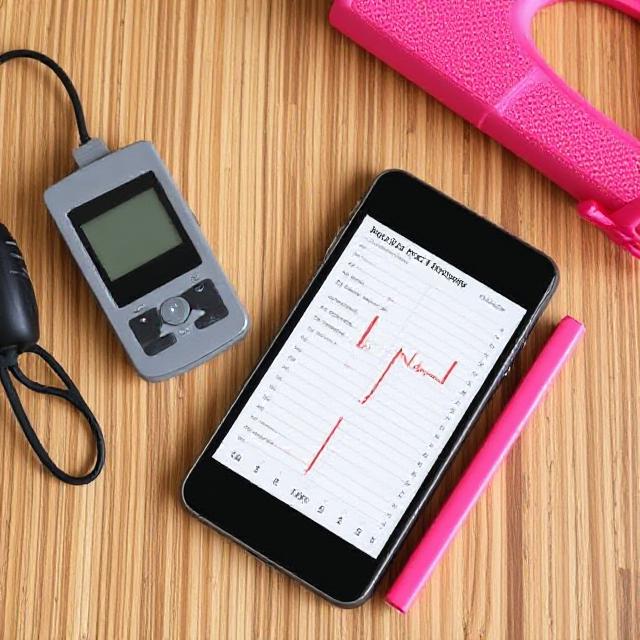
Tracking your progress makes your fitness journey feel more rewarding. Whether you prefer journals, apps, or smartwatches, visual feedback helps build motivation and pride. Seeing improvements—whether it’s longer walks, more steps, better flexibility, or increased strength—reinforces your commitment. It reminds you that even on days you feel slow, you’re still moving forward.
Celebrating small wins also boosts long-term motivation. You don’t need dramatic results to feel proud. Completing a week of workouts, trying a new exercise, or simply showing up counts as progress. These moments help anchor the belief that you’re capable of building lifelong habits. They turn discipline into confidence and confidence into consistency.
7. Keep Your Workouts Flexible, Not Rigid

Flexibility is essential for making exercise sustainable. A rigid workout plan can cause stress and discouragement when life gets busy. Women who turn exercise into a ritual give themselves room to adapt—shortening workouts on busy days or switching to lighter activities when needed. This approach helps maintain consistency without pressure or guilt.
Flexible routines remove the “all-or-nothing” mindset that often leads to skipping workouts. A gentle stretch, a quick walk, or 10 minutes of movement still count and help keep the momentum alive. When you allow yourself to adjust rather than quit, exercise becomes a natural part of life instead of a strict obligation.
8. Make It Emotionally Rewarding
Exercise becomes a lifelong ritual when it feels emotionally rewarding. Paying attention to how movement boosts your mood, energy, and confidence helps create a positive emotional association. When you consistently end your workouts feeling proud or refreshed, your brain begins to crave that feeling, turning the habit into something emotionally fulfilling.
Instead of focusing on aesthetics or numbers, celebrate how movement makes you feel strong, capable, and alive. This mindset shift makes exercise a form of self-care rather than a duty. When movement becomes a reward for your body and mind, the ritual becomes unbreakable.
Final Thoughts
Turning exercise into a daily ritual isn’t about perfection—it’s about consistency, joy, and self-kindness. By starting small, choosing enjoyable activities, creating supportive environments, and celebrating every step, you turn fitness into a lifelong gift.
Frequently Asked Questions
1. How long does it take to build a daily exercise habit?
Most people need around 30 to 60 days for a habit to feel natural. The key is to start with small, manageable workouts and attach them to existing routines. Consistency matters more than intensity.
2. What should I do on days when I feel too tired to work out?
Do something light instead of skipping entirely. Even a 5-minute stretch or slow walk keeps your ritual alive. Movement doesn’t have to be perfect to be effective.
3. Is it okay to mix different workout types throughout the week?
Absolutely. Variety keeps things fun and prevents boredom. It also helps your body stay balanced by training different muscles and energy systems.