
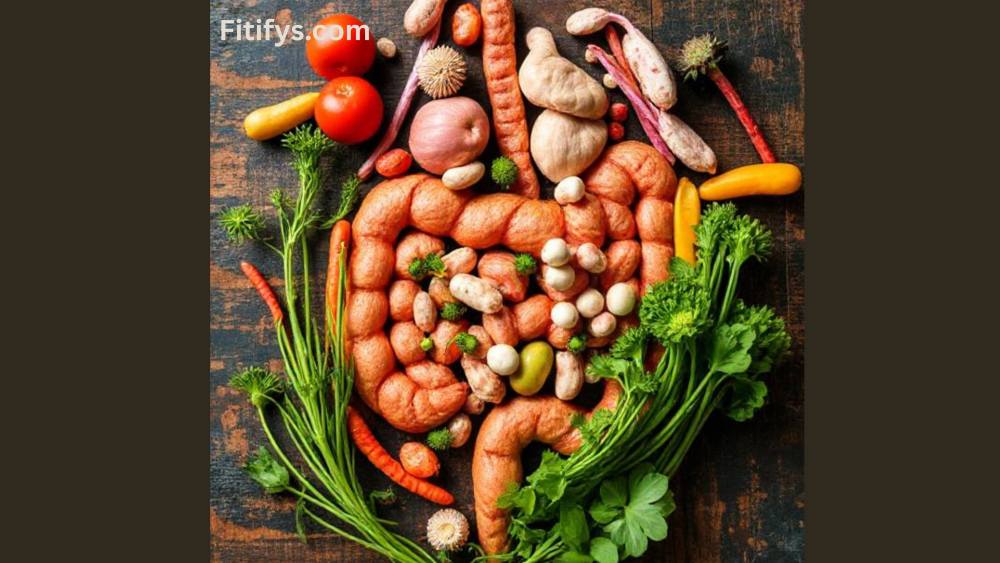
Probiotics and Gut Health: What You Need to Know
Hey there! Heard all the buzz about probiotics and wondering what’s up with your gut? You’re in the right place. Your gut is like a bustling city, home to trillions of bacteria that impact everything from digestion to your mood. Probiotics—those friendly bacteria—can help keep things running smoothly. My friend Maya, a 32-year-old teacher, struggled with bloating until she started adding probiotics to her routine. Now she feels lighter and more energized. Let’s chat about what probiotics are, how they boost gut health, and easy ways to add them to your life. Ready? Let’s dive in!
What Are Probiotics and Why Do They Matter?
Probiotics are live bacteria and yeasts that are good for your gut. Think of them as tiny helpers that keep your digestive system balanced. A healthy gut does more than just break down food—it supports your immune system, mood, and even energy levels. When your gut’s out of whack, you might deal with bloating, fatigue, or even stress. Maya used to feel sluggish after meals, but probiotics helped her digestion and overall vibe. By nurturing your gut with probiotics, you’re setting yourself up for long-term wellness.
How Probiotics Boost Gut Health
Probiotics enhance gut health by introducing beneficial bacteria that help restore and maintain a balanced gut microbiome. This balance is crucial for optimal digestion, immune function, and overall well-being. Probiotics achieve this by competing with harmful bacteria for space and resources, producing antimicrobial substances, and strengthening the gut barrier.
Here’s a breakdown of the key ways probiotics work their magic on your gut and beyond.
1. Improve Digestion
To improve digestion, focus on dietary and lifestyle changes such as eating fiber-rich foods, staying hydrated, and chewing food thoroughly. Managing stress, maintaining a healthy weight, and regular physical activity can also significantly help.
Probiotics help break down food and keep your digestive system moving smoothly, reducing issues like bloating or constipation.
- How It Works: They balance gut bacteria, aiding digestion and nutrient absorption.
- Example: Maya added yogurt to her breakfast and noticed less bloating after a week.
- Science Bit: Studies show probiotics like Lactobacillus can ease digestive discomfort in 2-4 weeks.
- Tip: Start with a daily probiotic food or supplement to support digestion.
2. Strengthen Your Immune System
To strengthen your immune system, focus on maintaining a healthy lifestyle that includes a balanced diet, regular exercise, sufficient sleep, and stress management. Additionally, consider managing any existing medical conditions and staying up-to-date on recommended vaccinations.
Your gut is home to about 70% of your immune system. Probiotics help it fight off bad bacteria and viruses.
- How It Works: They strengthen the gut lining, making it harder for harmful germs to sneak through.
- Example: My cousin Raj, 40, used to catch every cold. Since starting probiotics, he’s been sick less often.
- Tip: Include probiotic-rich foods to keep your immune system strong, especially during cold season.
3. Boost Mood and Mental Health
Ever heard of the gut-brain connection? Your gut talks to your brain, and probiotics can help improve mood and reduce stress.
- How It Works: Probiotics may increase serotonin (the “happy” chemical) by balancing gut bacteria.
- Example: Maya found that after a month of probiotics, she felt less anxious during work stress.
- Tip: Pair probiotics with mindfulness practices for a mental health boost.
4. Support Weight Management
A healthy gut can help regulate appetite and metabolism, making weight loss or maintenance easier.
- How It Works: Probiotics like Bifidobacterium may reduce fat storage and control hunger hormones.
- Science Bit: Research suggests probiotics can support modest weight loss when paired with a healthy diet.
- Tip: Combine probiotics with balanced meals for better weight management.
5. Reduce Inflammation
To reduce inflammation, focus on dietary changes, exercise, stress management, and adequate sleep. Anti-inflammatory foods like fatty fish, leafy greens, and berries, along with limiting sugar and processed foods, are key. Regular exercise, stress-reducing activities, and sufficient sleep can also help combat inflammation.
Chronic inflammation can lead to health issues like joint pain or heart disease. Probiotics help calm things down.
- How It Works: They reduce harmful gut bacteria that trigger inflammation.
- Example: Raj added kefir to his diet and noticed less joint stiffness after workouts.
- Tip: Choose anti-inflammatory probiotic foods to support overall health.
How to Add Probiotics to Your Life
To incorporate probiotics into your life, consider adding fermented foods and drinks to your diet or exploring probiotic supplements. Fermented foods like yogurt, kefir, sauerkraut, and kimchi are excellent sources of beneficial bacteria. Probiotic supplements can offer a more concentrated dose and may be recommended by a healthcare provider for specific needs.
Ready to give your gut some love? Here are practical ways to get more probiotics, whether through food or supplements.
1. Eat Probiotic-Rich Foods
Foods packed with live bacteria are a tasty, natural way to boost gut health.
- Top Picks:
- Yogurt: Look for “live and active cultures” on the label (Greek or plain is best).
- Kefir: A fermented drink like yogurt, rich in probiotics.
- Sauerkraut or Kimchi: Fermented veggies with a tangy kick.
- Kombucha: A fizzy fermented tea (watch for added sugars).
- Miso: A fermented paste great for soups.
- Example: Maya swaps soda for kombucha and loves the refreshing taste and gut benefits.
- Tip: Start with one probiotic food daily, like a small bowl of yogurt with fruit.
2. Consider Probiotic Supplements
If food sources are tough to fit in, supplements are a convenient option. They come in capsules, powders, or gummies.
- What to Look For:
- Choose a supplement with 10-50 billion CFUs (colony-forming units).
- Look for strains like Lactobacillus or Bifidobacterium.
- Check for third-party testing to ensure quality.
- Example: Raj takes a daily probiotic capsule with breakfast, making it an easy habit.
- Tip: Talk to your doctor before starting supplements, especially if you have health conditions.
3. Pair with Prebiotics
Prebiotics are like food for probiotics, helping them thrive in your gut.
- Prebiotic Foods: Bananas, onions, garlic, asparagus, whole grains.
- How to Do It: Add sliced banana to yogurt or toss garlic into your dinner.
- Example: Priya blends a banana and spinach smoothie with kefir for a pre- and probiotic boost.
- Tip: Include one prebiotic food daily to supercharge your probiotics.
4. Eat a Balanced Diet
A varied diet supports gut diversity, which is key for health. Focus on whole foods to complement probiotics.
- Ideas:
- Fill half your plate with veggies (like broccoli or carrots).
- Include lean proteins (chicken, fish, beans).
- Choose whole grains (quinoa, brown rice) over processed carbs.
- Example: Maya makes a weekly meal plan with veggie-packed dishes, supporting her gut and energy.
- Tip: Find gut-friendly recipes on Health to keep meals exciting.
5. Stay Consistent
Probiotics work best when taken regularly, as they need time to balance your gut.
- How to Do It: Pick a time—like breakfast or dinner—to eat probiotic foods or take a supplement.
- Example: Raj keeps yogurt in his fridge for a quick daily snack, making it a no-brainer.
- Tip: Set a reminder or keep probiotic foods visible to stay on track.
6. Support with Healthy Habits
Probiotics shine when paired with other wellness habits like exercise, hydration, and stress management.
- Ideas:
- Do a 20-minute workout from Health to boost gut health.
- Drink 8-10 glasses of water daily.
- Try a 5-minute meditation to reduce stress, which supports gut balance.
- Example: Maya added a daily walk and noticed her digestion improved even more with probiotics.
- Tip: Combine probiotics with small lifestyle changes for the best results.
Why Gut Health Matters for Wellness
A healthy gut does more than just help digestion—it’s the foundation for your overall health. Probiotics can reduce bloating, boost immunity, lift your mood, and even support weight goals. Maya says her probiotic routine makes her feel “lighter and more like myself.” By making small, consistent changes, you’re investing in a happier, healthier you for the long run. Plus, it’s easier than you think to get started.
FAQs About Probiotics and Gut Health
Q: How long does it take to see benefits from probiotics?
A: You might notice better digestion in 1-2 weeks, but benefits like improved immunity or mood can take 4-8 weeks. Consistency is key! Check Health for tips.
Q: Can I get enough probiotics from food alone?
A: Yes, if you eat probiotic-rich foods like yogurt or kefir daily. Supplements are helpful if your diet lacks variety. Talk to your doctor for personalized advice.
Q: Are there side effects to probiotics?
A: Some people may feel mild bloating or gas at first as their gut adjusts. Start with small amounts and increase gradually. If issues persist, check with your doctor.
Wrapping It Up
Probiotics are like tiny superheroes for your gut, helping with digestion, immunity, mood, and more. Start simple—add a daily yogurt, try kombucha, or take a supplement—and pair it with a healthy diet and lifestyle. You’re not just feeding your gut; you’re building a foundation for long-term wellness. Maya and Raj both found that small changes made a big difference, and you can too. Head to Health for recipes, workouts, and tips to support your gut health journey. Let’s keep your gut happy and you thriving!