Should You Worry About High Blood Pressure at Night?
You finally crawl into bed after a long day, hoping to relax and recharge—but there’s one nagging question on your mind: Should I be worried about my blood pressure while I sleep?
Most of us think about high blood pressure during stressful workdays or intense gym sessions, not when we’re tucked under the covers. But your blood pressure doesn’t take a break just because you’re resting—and nighttime high blood pressure can be a sneaky risk factor that’s easy to miss.
Let’s talk about what it means, why it happens, and how to stay on top of it without losing sleep over it—literally.
What Is Nighttime High Blood Pressure?
In a perfect world, your blood pressure should dip during sleep. This is called “nocturnal dipping,” and it’s your body’s way of relaxing and resetting overnight.
But for some people, that dip doesn’t happen—or worse, blood pressure actually rises at night.
This condition is called nocturnal hypertension, and while it might sound like something only doctors talk about, it’s actually pretty common—and important to know about.
Why Should You Care?
Because your heart is still working while you sleep, and if your blood pressure stays high at night, it can silently increase your risk for:
- Stroke
- Heart attack
- Kidney problems
- Memory issues later in life
And the kicker? You might feel completely fine during the day and still have high blood pressure at night. That’s why it’s often called the “silent risk.”
What Causes High Blood Pressure at Night?
There isn’t one single cause—it’s usually a mix of habits, health conditions, and how your body responds to stress.
Here are some common reasons:
1. Poor Sleep Quality
- Trouble falling or staying asleep
- Sleep apnea (pauses in breathing at night)
- Restless sleep due to stress or anxiety
2. Late-Night Eating or Drinking
- Heavy, salty meals before bed
- Alcohol or caffeine late in the evening
3. Unmanaged Blood Pressure During the Day
- If your blood pressure is high during the day and untreated, it’s more likely to stay high at night too.
4. Chronic Conditions
- Diabetes
- Kidney disease
- Hormonal imbalances
How Do You Know If You Have It?
Here’s the tricky part—you usually can’t tell just by how you feel. Many people with nocturnal hypertension don’t have obvious symptoms.
To get answers, you may need a 24-hour blood pressure monitor, which tracks your levels during the day and while you sleep.
Talk to your doctor if:
- You already have high blood pressure but it’s not improving
- You feel tired even after a full night’s sleep
- You snore loudly or suspect you have sleep apnea
- You have a strong family history of heart problems
What You Can Do to Lower Nighttime Blood Pressure
Good news—there are simple, practical steps you can take starting tonight.
Eat Lighter in the Evening
- Avoid salty, processed, or heavy foods at dinner.
- Try to finish your last meal 2–3 hours before bed.
Move During the Day
- Daily movement helps lower blood pressure overall.
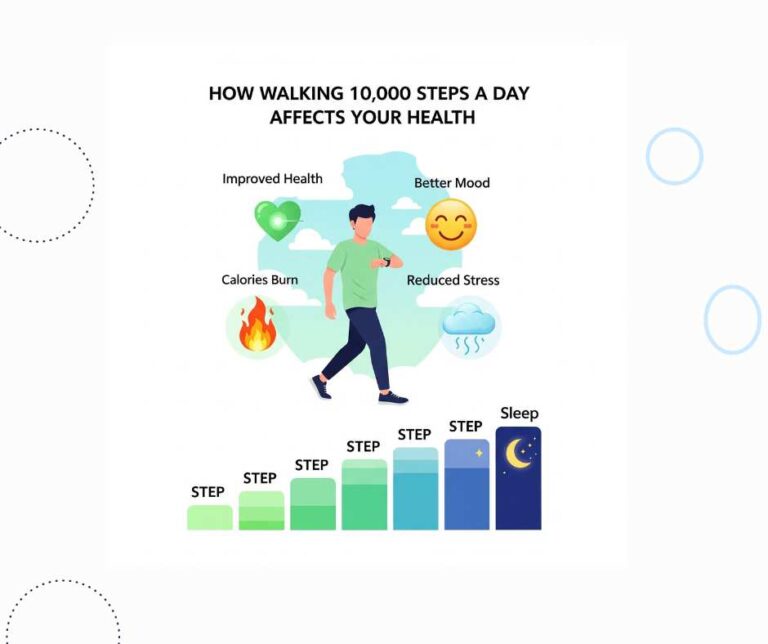
- A short walk after dinner can help improve sleep and digestion.
Make Sleep a Priority
- Aim for 7–9 hours of quality sleep.
- Keep your room cool, quiet, and dark.
- Go to bed and wake up at the same time each day—even on weekends.
De-Stress Before Bed
- Avoid scrolling your phone late at night.
- Try deep breathing, light stretching, or reading something calming.
Take Medication as Prescribed
- If you’re on blood pressure medication, timing matters.
- Some people may need to take it at night—ask your doctor what’s best for you.
A Real-Life Wake-Up Call
A reader of Fitifys—let’s call her Meena—was 37, worked long hours, and had no idea she had high blood pressure. She ate well (mostly), didn’t smoke, and figured her occasional headaches were just from stress.
Her doctor suggested wearing a 24-hour monitor just to check. The results? Her daytime readings were okay, but her nighttime blood pressure was consistently high.
She was shocked—but also relieved to finally have answers. With a few tweaks to her routine (lighter dinners, evening walks, and better sleep hygiene), her blood pressure is now under control. “I didn’t even realize my heart was working overtime,” she said.
The Bottom Line
If you’re already keeping an eye on your heart health, don’t forget to check in on your nighttime habits, too. High blood pressure while you sleep might not wake you up—but over time, it can affect your health in big ways.
Start small:
- Go to bed a bit earlier.
- Skip the salty snacks.
- Take a walk after dinner.
- Ask your doctor about 24-hour monitoring.
You’ve got one heart—let’s make sure it gets the rest it deserves.
FAQs
1. Can stress during the day affect my nighttime blood pressure?
Yes. Chronic stress can raise your blood pressure all day and even into the night. Managing stress with healthy routines, breathing techniques, or talking to someone can make a big difference.
2. Is high blood pressure at night worse than during the day?
Not necessarily worse—but it’s sneakier. Since you’re not awake to notice symptoms, it often goes undetected, which makes regular monitoring important if you’re at risk.
3. Do I need a sleep study to check for nighttime blood pressure?
Not always. A 24-hour blood pressure monitor is a great first step. But if your doctor suspects sleep apnea or disrupted sleep is behind your high readings, a sleep study may be recommended.