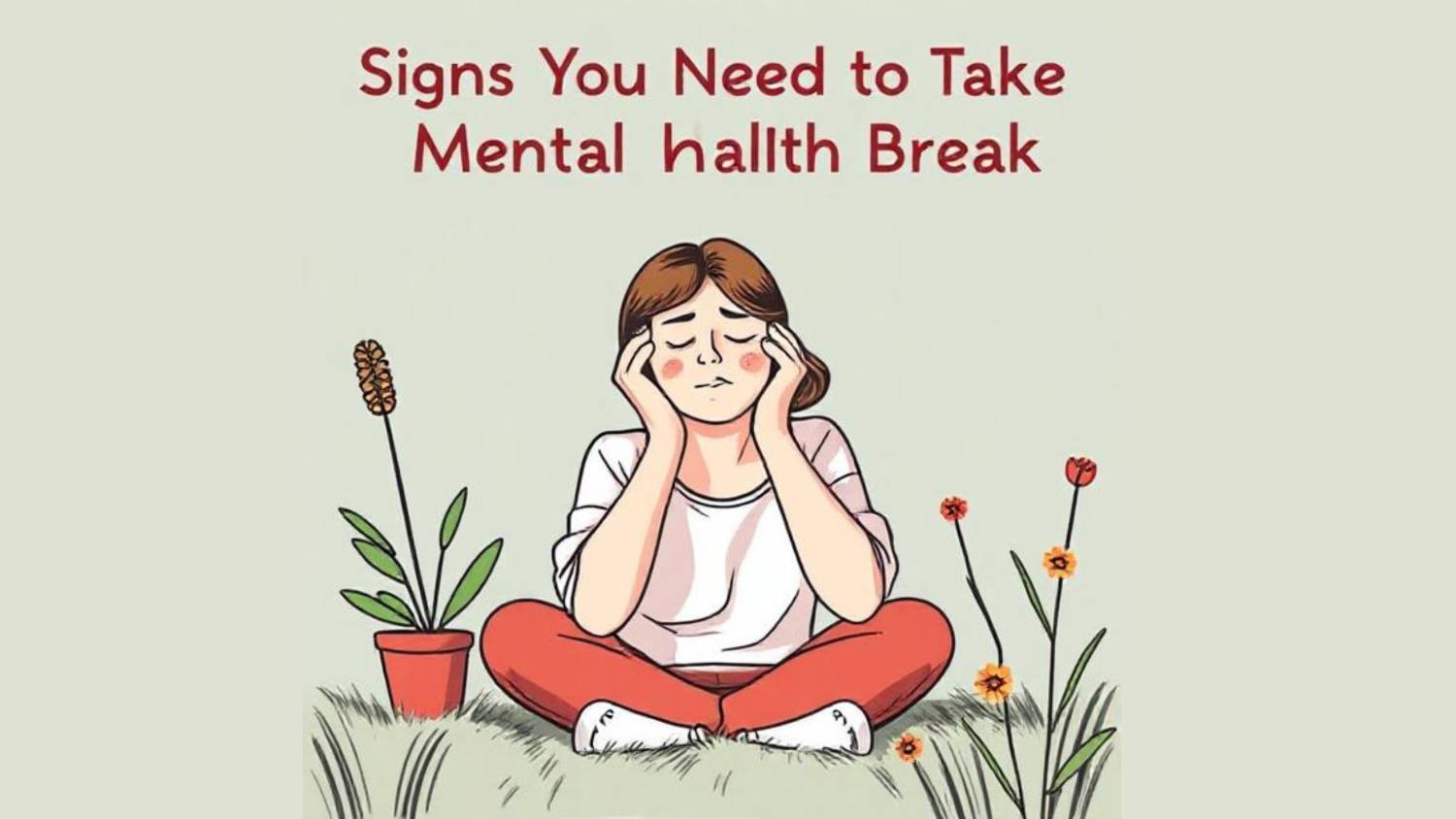
Signs You Need to Take a Mental Health Break
Hey, friend—have you ever felt like your brain is running on fumes while the world keeps spinning? I remember a few years back when I was juggling a full-time job, side gigs, and family stuff. One morning, I stared at my coffee mug for 10 minutes, totally blanking on what to do next. That was my wake-up call. If you’re nodding along, this is for you. Let’s chat about the clear signs that scream it’s time to hit pause and recharge. We’ll keep it real, simple, and packed with tips to spot these red flags early.
Why Listening to These Signs Matters
Ignoring the warning signs of burnout isn’t just tough—it’s like driving a car with the check engine light on. Eventually, something gives. Mental exhaustion symptoms can sneak up, turning small stresses into big problems. But catching them early? That’s self-care gold. Taking a mental break isn’t lazy; it’s smart. It protects your well-being, boosts your mood, and helps you show up better for life. Think of it as hitting refresh on your favorite app when it glitches.
A Quick Story to Make It Real
My buddy Sarah was a superstar teacher. She loved her kids, but after months of non-stop grading and virtual classes, she started snapping at her partner over tiny things. One day, she cried in the grocery store because the apples looked “too perfect.” That was her emotional fatigue warning sign. She took a long weekend off, walked in the park, and came back glowing. You deserve that reset too.
Physical Clues Your Body Is Begging for a Break
Your body often waves the first red flags for stress overload indicators. It’s not being dramatic—it’s communicating.
- Constant Tiredness, Even After Sleep: If you’re dragging through the day despite a full night’s rest, that’s a big one. I once slept 10 hours and still felt like a zombie. It was mental rest I needed, not more pillows.
- Headaches or Muscle Tension: That tight neck or pounding temples? Often tied to work stress affecting well-being. Try this: Next time it hits, stand up, roll your shoulders, and breathe deep for 30 seconds. Small win!
- Changes in Appetite or Sleep Patterns: Eating everything in sight or nothing at all? Tossing at night? These are anxiety and stress red flags. Track it for a week—if it’s off, plan a no-alarm day.
- Getting Sick More Often: Your immune system dips when you’re feeling overwhelmed and drained. Colds that linger? Time to pause for self-care.
Emotional Signs You’re Running on Empty
Emotions are tricky—they bubble up when you’re least expecting. Spotting emotional fatigue warning signs can save you from a meltdown.
- Irritability Over Little Things: Traffic, a slow Wi-Fi, your dog’s bark—everything annoys you? That’s a classic need for mental rest. Pro tip: Keep a “grump journal.” Jot what bugs you; patterns emerge fast.
- Feeling Numb or Detached: Remember when hobbies excited you? If everything feels “meh,” you’re likely in stress overload. I skipped my weekend runs for weeks once—huge clue.
- Crying Easily or Mood Swings: Tears during a commercial? Laughing one minute, angry the next? These are when to pause for self-care moments. Give yourself permission to feel without judgment.
- Dreading Things You Used to Love: Work, friends, even Netflix binges lose their spark. That’s the importance of taking a mental break shining through.
Real-World Example: The Overachiever Trap
Take my friend Mike, a graphic designer. He prided himself on 12-hour days. But soon, client emails made his stomach knot. He ignored it until a simple feedback note left him spiraling. A three-day unplug—phone off, nature on—flipped the script. Now he schedules “fun mandates” like mandatory coffee walks.
Mental Fog and Focus Struggles
When your brain feels like mush, that’s mental exhaustion symptoms in action. Don’t brush it off as “just a bad day.”
- Trouble Concentrating: Staring at your screen, rereading the same line? Or forgetting why you walked into a room? Common indicators of feeling overwhelmed and drained.
- Decision Fatigue: Choosing lunch feels impossible? That’s your mind saying, “Enough!” Start small: Prep meals ahead to free up brain space.
- Negative Self-Talk Loop: “I’m failing at everything.” If this is on repeat, it’s a red flag for anxiety and stress. Counter it: Say one kind thing to yourself daily, like “I handled that call okay.”
- Procrastination on Steroids: Tasks pile up because starting feels impossible. Break it: Set a 5-minute timer. Momentum builds.
Social and Behavioral Shifts
How you interact with others can highlight work stress affecting well-being.
- Withdrawing from People: Canceling plans or ghosting texts? That’s a sign to check in with yourself.
- Relying on Quick Fixes: More caffeine, alcohol, or scrolling? These mask the need for mental rest but don’t fix it.
- Snapping at Loved Ones: Unfair outbursts? Apologize and explain: “I’m overwhelmed—need a breather.”
- No Time for Fun: Calendar full of “shoulds,” zero “wants”? Reclaim it.
Storytelling Bit: My Coffee Shop Epiphany
Picture this: I’m at my local café, laptop open, but I can’t type a single email. My barista friend notices and says, “You look like you need a day off.” I laughed it off, but that night, I booked a solo hike. Best decision. Fresh air cleared the cobwebs.
Work and Productivity Red Flags
If your job is the main culprit, these warning signs of burnout are loud.
- Dreading Monday on Sunday Night: Stomach drops at the thought? Classic.
- Mistakes Piling Up: Forgetting deadlines or sloppy work? Your brain’s overloaded.
- No Sense of Accomplishment: Finishing tasks feels hollow. Celebrate small wins—treat yourself to ice cream!
- Working Harder but Getting Less Done: Diminishing returns scream stress overload indicators.
How to Know It’s Time to Act
Not sure if it’s bad enough? Ask yourself:
- Am I ignoring these for weeks?
- Is it affecting my health, relationships, or joy?
- Would a break help me return stronger?
If yes, prioritize the importance of taking a mental break. Start small: An afternoon off, a walk, or saying no to one thing.
Actionable Steps to Take That Break
- Plan It: Block your calendar. Tell others, “Unavailable—recharging.”
- Unplug: Phone on Do Not Disturb. No emails!
- Do Joyful Things: Read, nap, bake—whatever lights you up.
- Reflect: Journal what drained you. Prevent future burnout.
- Seek Support: Talk to a friend, therapist, or app like Calm.
- Ease Back In: Don’t dive into chaos. Start slow.
I tried a “mental health day” once—slept in, made pancakes, called my mom. Felt like a new person. You can too.
Wrapping It Up: Your Well-Being Comes First
Spotting these signs early turns potential crashes into gentle pit stops. Whether it’s physical aches, emotional lows, or brain fog, they’re all saying the same: Pause for self-care. You’re not weak for needing a break—you’re wise. Listen to your body and mind. They’ve got your back.
Remember Sarah and Mike? They bounced back stronger. So can you. Next time you feel that drain, smile and say, “Time for a reset.” You’ve got this.
(Word count: 1,312)
FAQs
1. How long should a mental health break be?
It depends on you! Start with a few hours or a day if that’s all you can manage. For deeper recharge, aim for a weekend or a week. Even 30 minutes of quiet time daily prevents buildup. Listen to what feels right—no one-size-fits-all.
2. What if my job doesn’t allow breaks?
Talk to your boss about flexible hours or mental health days—many places offer them now. If not, build micro-breaks: 10-minute walks or deep breaths between tasks. Long-term, consider if the role fits your well-being. Your health isn’t negotiable.
3. Can exercise help as a mental break?
Absolutely! A quick run or yoga session releases endorphins and clears your head. But don’t force it if you’re exhausted—sometimes rest is the real MVP. Pair it with unplugging for max effect. I love a post-walk smoothie; it’s my reward ritual.