
The Benefits of Morning Exercise for Fitness Gains
(Exercise is your keyword)
We’ve all heard the saying, “The early bird gets the worm.” But when it comes to fitness, could the early bird also get stronger, leaner, and healthier? Morning exercise isn’t just about discipline—it comes with some serious perks that can make your fitness journey smoother and more rewarding. Whether you’re trying to shed a few pounds, build strength, or simply boost your energy for the day, starting your mornings with exercise might just be your secret weapon.
Let’s break down the real benefits, sprinkle in some science, and talk about how you can actually make it a part of your daily life.
Why Morning Exercise Works So Well
Exercise in the morning is beneficial because it releases endorphins, which increase mood and energy, improves metabolism, increases focus and mental clarity, helps control sleep patterns, and prevents conflicts later in the day, which makes it easier to form a consistent, healthy habit. It can also encourage better food choices throughout the day and help with weight management and fat burning.
1. Boosts Your Energy for the Whole Day
To boost your energy levels throughout the day, get 7 to 8 hours of quality sleep each day, drink lots of water, and eat a balanced diet rich in fruits, lean meats, and whole grains. Regular exercise, stress reduction, and limiting alcohol and caffeine intake can also help you feel more energized. Moving your body releases endorphins, or feel-good hormones, improves blood flow, and enhances oxygen delivery.
2. Helps Build a Consistent Routine
Let’s be honest: life gets busy. If you save your workout for the evening, chances are work, family, or fatigue might get in the way. By exercising in the morning, you “check it off” early and free up your day.
Think of it this way—your workout becomes non-negotiable, like brushing your teeth. Over time, this habit builds consistency, and consistency is the foundation of long-term exercise success.
3. Speeds Up Fat Loss
Morning exercise may give your metabolism a jumpstart. Research suggests that working out before breakfast (in a fasted state) can encourage your body to burn stored fat for fuel.
Now, this doesn’t mean you have to work out on an empty stomach—if you feel faint without food, grab a banana or small snack. But even so, exercising in the morning supports fat loss by keeping your body in a fat-burning state longer throughout the day.
4. Improves Mental Health and Focus
Exercise is often called a “natural antidepressant.” Just 15–30 minutes of movement in the morning can help:
- Reduce stress hormones like cortisol.
- Increase endorphins and dopamine (your happy hormones).
- Clear mental fog so you can focus better.
Story element: One of my friends used to hit the gym after work but often skipped because she was tired. She switched to short morning workouts, and not only did she stick with them, but she also noticed she was calmer and more productive at her stressful office job.
5. Better Sleep at Night
To get better sleep, maintain a consistent sleep schedule, create a cool, dark, and quiet bedroom environment, and avoid caffeine, large meals, and alcohol before bed. Exercise, particularly high-intensity training, can occasionally disrupt sleep if done too close to bedtime. However, exercising first thing in the morning aids in regulating your circadian rhythm, which is your body’s internal clock.
6. Encourages Healthier Choices All Day
When you start your day with movement, you’re more likely to make choices that align with your goals. After sweating it out, reaching for a greasy fast-food breakfast feels less appealing. Instead, you’ll probably want something nourishing, like eggs, oats, or a smoothie.
Morning workouts often create a ripple effect—healthy choices stack on top of each other.
7. Supports Muscle Growth and Strength
Here’s a myth-buster: some people believe evening workouts are better for strength because the body is “warmed up.” While that can be true, morning exercise still supports muscle growth if you fuel properly afterward.
The key is consistency and nutrition. If you lift weights in the morning, make sure you eat a protein-rich breakfast or recovery shake soon after. Your muscles will thank you.
Tips to Make Morning Exercise Work for You
If you’re not a natural morning person, don’t worry. You can train your body and mind to adapt. Here’s how:
- Prepare the night before: Lay out your workout clothes, pack your water bottle, and have your shoes ready.
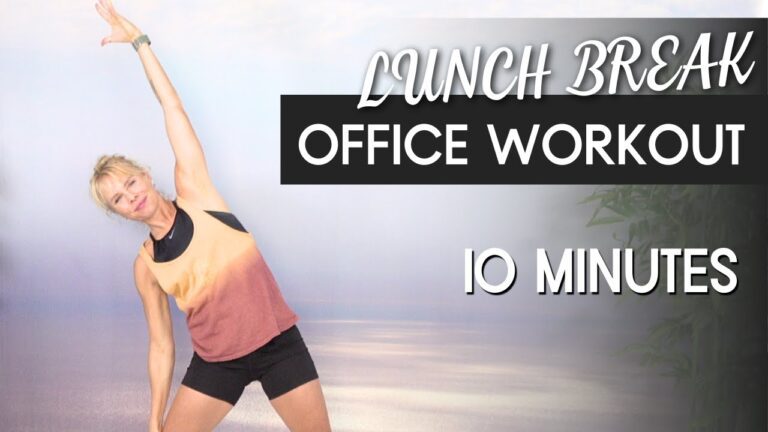
- Start small: Begin with 10–15 minutes of stretching, yoga, or walking. Slowly increase the intensity.
- Get enough sleep: Morning exercise only works if you’re not running on 4 hours of rest. Aim for 7–8 hours nightly.
- Find a buddy or accountability system: Having a partner or app reminder helps keep you on track.
Sample Morning Workout Routine (20 Minutes)
Here’s a quick plan to kickstart your mornings:
- Warm-up (3 minutes): Light jogging or jumping jacks.
- Strength circuit (12 minutes):
- 30 squats
- 20 push-ups
- 15 lunges (each leg)
- 30-second plank
- Repeat 2 rounds.
- Cool-down (5 minutes): Stretch your legs, arms, and back.
This routine gets your heart rate up, works multiple muscle groups, and leaves you energized for the day.
Final Thoughts
Morning exercise isn’t about punishing your body—it’s about starting your day with strength, energy, and positivity. The science and real-world experience both point to clear benefits: better focus, fat loss, consistency, sleep, and overall mood.
And the best part? You don’t need hours in the gym. Even a short, 15–20 minute routine can transform the way you feel and perform, both physically and mentally.
So tomorrow morning, instead of hitting snooze, try hitting the mat or the pavement. Your future self will thank you.
FAQs
1. Do I need to work out on an empty stomach in the morning?
Not necessarily. Some people enjoy fasted workouts for fat loss, but if you feel lightheaded, eat something small like fruit or a protein bar.
2. How long should a morning workout be?
Even 15–20 minutes can make a difference. Aim for what fits your schedule—consistency matters more than duration.
3. I’m not a morning person. Can I still benefit from evening exercise?
Of course! The “best” workout time is the one you’ll stick with. But if you struggle with consistency, mornings may give you an edge.