
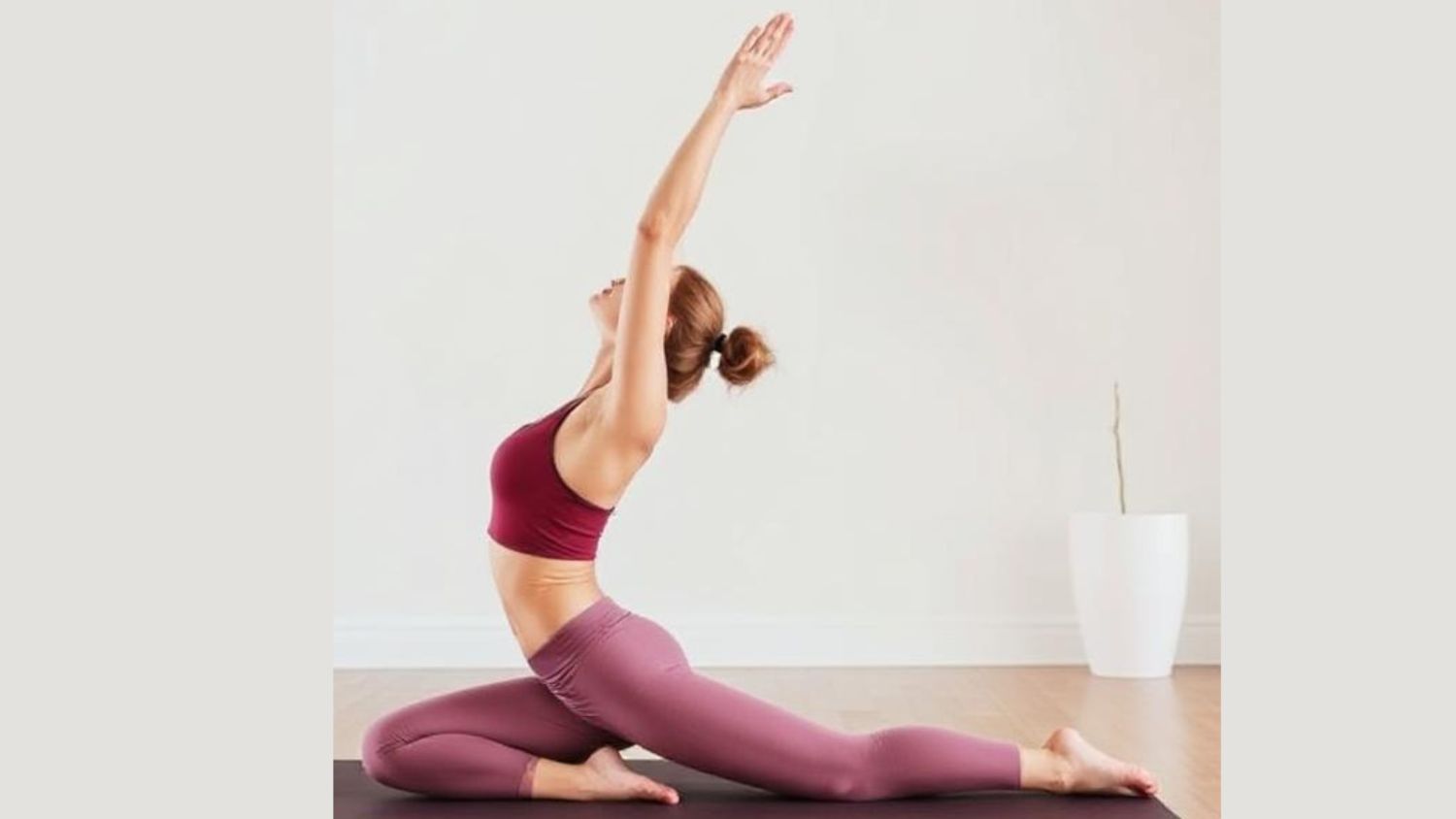
The Connection Between Flexibility and Health
When you think of fitness, what comes to mind first? For most people, it’s strength training, cardio, or maybe even weight loss. But there’s one often-overlooked pillar of wellness that deserves just as much attention — flexibility.
Flexibility isn’t just about touching your toes or twisting into a yoga pose. It plays a vital role in your overall health, mobility, and longevity. In fact, being flexible can help prevent injuries, improve posture, and make everyday movements — from reaching for a shelf to tying your shoes — easier and pain-free.
Let’s break down why flexibility matters, how it connects to your physical wellness, and simple ways you can start improving it today.
Why Flexibility Matters for Your Health
Flexibility refers to the ability of your muscles and joints to move through their full range of motion. When your body is flexible, it moves more efficiently and feels less stiff or tense.
Here’s why flexibility is so important:
- It keeps your joints healthy and mobile.
- It reduces the risk of injury during workouts or daily activities.
- It supports better balance and coordination.
- It relieves muscle tension and stress.
- It promotes better posture and body alignment.
In short, being flexible doesn’t just make you move better — it helps you live better.
The Benefits of Flexibility for Overall Health
Flexibility isn’t only about physical performance. It affects multiple aspects of your well-being, from your mood to your long-term joint health.
Here are some key benefits of flexibility for overall health:
- Improved Circulation: Stretching increases blood flow to your muscles, which enhances recovery and energy levels.
- Less Muscle Pain: Regular stretching helps reduce tightness that can cause discomfort or cramps.
- Better Mobility: Greater flexibility allows smoother, more controlled movements.
- Enhanced Relaxation: Gentle stretching activates the parasympathetic nervous system, helping you relax and manage stress.
It’s easy to underestimate the power of flexibility until you start feeling the difference it makes in your everyday life.
Stretching Exercises for Better Mobility
If you spend a lot of time sitting — whether at a desk or behind the wheel — your muscles can become tight and shortened. Simple stretching exercises for better mobility can counteract that stiffness and restore balance.
Here are a few easy stretches to try daily:
- Neck Stretch: Gently tilt your head side to side to ease tension.
- Shoulder Roll: Roll your shoulders backward and forward to release stiffness.
- Hamstring Stretch: Sit with one leg extended and reach for your toes.
- Hip Flexor Stretch: Step one foot forward into a lunge and press your hips forward.
- Cat-Cow Stretch: On all fours, alternate between arching and rounding your back to loosen the spine.
You don’t need to spend an hour stretching — just 5–10 minutes a day can make a big difference.
Flexibility and Injury Prevention
When your muscles and joints are flexible, your body moves more efficiently and with less strain. That’s why there’s a strong link between flexibility and injury prevention.
Tight muscles can pull your body out of alignment, increasing the risk of strains and joint pain. For example, tight hamstrings can contribute to lower back discomfort, while limited shoulder mobility can make overhead movements risky.
By including regular stretching or yoga in your routine, you’ll protect your body from common injuries — especially if you’re active or exercise regularly.
How Flexibility Improves Posture
Poor posture is one of the most common issues in today’s world, especially for those who sit at desks all day. Tight muscles in your neck, chest, and hips can cause slouching and misalignment.
Here’s how flexibility improves posture:
- It lengthens tight muscles that pull your body forward.
- It strengthens supporting muscles in your back and core.
- It improves spinal alignment and reduces strain on the neck and shoulders.
Try incorporating gentle back and chest stretches throughout your day — even a quick stretch break every couple of hours can help correct posture and reduce tension.
Joint Health and Flexibility Connection
Your joints are like hinges — they need regular movement and stretching to stay healthy. There’s a clear joint health and flexibility connection that’s backed by science.
When joints move through their full range of motion, the synovial fluid inside them (which acts like lubrication) circulates more efficiently. This reduces stiffness and keeps your joints nourished.
Lack of flexibility, on the other hand, can cause limited movement, poor alignment, and joint stress.
So, whether it’s your knees, hips, or shoulders, flexibility is essential for long-term joint health.
Importance of Stretching for Longevity
Believe it or not, flexibility can play a role in how you age. The importance of stretching for longevity lies in its ability to maintain mobility, independence, and energy as you grow older.
When you stay flexible:
- You move with more ease.
- You experience less pain and stiffness.
- You maintain better balance, reducing the risk of falls.
Think of stretching as an investment in your future — small effort now, major benefits later.
Flexibility Training for Daily Movement
Flexibility training for daily movement doesn’t require fancy equipment or long sessions. You can integrate it into your daily routine naturally.
Here’s how:
- Morning: Do a few light stretches to wake up your body.
- Midday: Take a short break to stretch your back and legs, especially if you sit often.
- Evening: Try a gentle yoga session or foam rolling to relax before bed.
By making stretching a daily habit, you’ll improve your energy, movement, and even sleep quality.
Yoga and Flexibility Benefits
Yoga is one of the most effective ways to enhance flexibility while calming your mind. The yoga and flexibility benefits go far beyond just improving range of motion.
Yoga promotes:
- Full-body flexibility: It stretches multiple muscle groups at once.
- Mind-body connection: Deep breathing helps release both physical and emotional tension.
- Balance and coordination: Many yoga poses enhance stability and control.
Even 15 minutes of yoga a day can make a noticeable difference in how your body feels and moves.
Muscle Recovery and Flexibility
After a tough workout, your muscles can feel sore and tight. That’s where muscle recovery and flexibility come in.
Stretching after exercise helps:
- Increase blood flow and oxygen to your muscles
- Speed up recovery and reduce soreness
- Prevent stiffness and improve future performance
A quick post-workout stretch or foam rolling session can help your body recover faster and keep you feeling strong for your next workout.
Range of Motion and Physical Wellness
Your range of motion and physical wellness are deeply connected. A healthy range of motion allows you to perform daily tasks — like lifting, bending, or twisting — safely and comfortably.
When flexibility is limited, movement becomes restricted, leading to poor mechanics and potential pain. By maintaining flexibility, you ensure your body can move freely and efficiently, improving your overall physical wellness.
How to Start Improving Your Flexibility Today
You don’t need to be a gymnast or yoga pro to start improving your flexibility. Here’s a simple plan to get started:
- Warm up first: Stretching cold muscles can lead to injury. Do light movement (like walking) for 5 minutes.
- Start small: Focus on key areas like hamstrings, hips, shoulders, and lower back.
- Hold each stretch: Stay in each position for 15–30 seconds.
- Breathe deeply: Relax into each stretch — don’t force it.
- Be consistent: Stretch at least 4–5 times a week for best results.
The key is patience and consistency. You’ll start noticing improvements in flexibility, posture, and energy within a few weeks.
The Takeaway
Flexibility isn’t just an optional part of fitness — it’s a foundation for overall health and longevity. Whether you’re an athlete or simply want to move more comfortably, improving flexibility enhances your posture, reduces injuries, and supports your daily movement.
So, take a few minutes each day to stretch, breathe, and reconnect with your body. Small efforts add up to big changes over time.
FAQs
1. How often should I stretch to improve flexibility?
Aim to stretch at least 4–5 times a week. Even 10 minutes a day can make a difference if you’re consistent.
2. Can flexibility really help prevent injuries?
Yes! Flexible muscles and joints move more freely, reducing the risk of strains, sprains, and overuse injuries during workouts or daily activities.
3. Is yoga the best way to improve flexibility?
Yoga is excellent, but not the only option. Dynamic stretching, Pilates, and mobility exercises can also improve flexibility and support muscle recovery.


