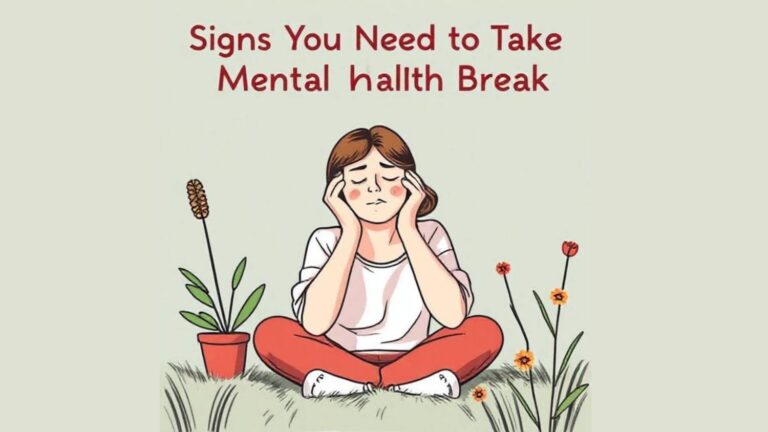

The Mental Health Benefits of Regular Exercise
Hey there! Feeling a bit stressed, down, or just not quite yourself? You’re not alone, and here’s some good news: exercise isn’t just great for your body—it’s a total game-changer for your mind, too. Whether it’s a brisk walk, a dance party in your living room, or a quick gym session, moving your body can lift your mood and help you tackle life’s ups and downs. Let’s chat about how exercise boosts your mental health, with practical tips to get started. It’s like having a coffee chat with a friend who’s rooting for you!
Why Exercise Is a Mood-Booster
Exercise does more than tone your muscles—it works wonders for your brain. When you move, your body releases chemicals like endorphins and serotonin, which are like natural happiness boosters. Think of it as your body’s way of saying, “Hey, let’s feel good!” Regular exercise can reduce stress, ease anxiety, and even help with depression. Plus, it’s something you can start today, no matter your fitness level.
Take my friend Mia, a 29-year-old graphic designer. She was feeling overwhelmed with work and barely had energy to get through the day. Then she started doing 20-minute yoga sessions from Fitifys. Within a couple of weeks, she noticed she was sleeping better and smiling more. That’s the kind of magic exercise can bring!
How Exercise Helps Your Mental Health
Let’s break down the specific ways exercise can make your mind feel as good as your body:
Exercise is a powerful mood enhancer, releasing endorphins and serotonin to reduce stress, anxiety, and depression. Regular physical activity improves sleep quality, increases energy levels, and sharpens cognitive function by promoting brain-derived neurotrophic factor (BDNF), which supports neuron growth. It also lowers cortisol (the stress hormone) and provides a healthy distraction from negative thoughts. Activities like yoga and aerobic exercise enhance mindfulness and self-esteem, while team sports foster social connections. Even 30 minutes daily can significantly improve mental resilience, emotional balance, and overall well-being. Move more, stress less!
1. Reduces Stress and Anxiety
Ever feel like stress is piling up? Exercise can help you shake it off. It lowers cortisol (the stress hormone) and boosts endorphins, which calm you down and lift your mood.
- Example: A 15-minute jog can leave you feeling like you’ve hit the reset button on a tough day.
- Science Bit: Studies show 30 minutes of moderate exercise, like walking, can reduce anxiety symptoms by up to 20%.
2. Boosts Mood and Fights Depression
Exercise is like a natural antidepressant. It increases serotonin and dopamine, chemicals that help regulate your mood. Regular movement can be as effective as medication for some people with mild depression.
- Real-Life Story: Jake, a 40-year-old dad, started cycling to work after feeling down for months. The fresh air and movement helped him feel more like himself, and he even started enjoying his mornings.
3. Improves Sleep
Struggling to catch those Z’s? Exercise can help you fall asleep faster and sleep deeper. Just avoid intense workouts right before bed, as they might leave you too energized.
- Tip: A gentle evening walk or yoga can signal to your body it’s time to wind down.
4. Sharpens Focus and Memory
Exercise gets blood flowing to your brain, which helps you think clearer and remember things better. It’s like giving your brain a mini workout, too!
- Fun Fact: A single workout can boost your focus for up to two hours afterward—perfect for tackling that to-do list.
5. Builds Confidence
Hitting a fitness goal, even a small one like walking a mile, feels amazing. Exercise helps you feel stronger and more capable, which spills over into other parts of your life.
- Example: Mia felt proud after mastering a new yoga pose, and that confidence helped her pitch a big project at work.
Getting Started: Easy Ways to Add Exercise to Your Life
You don’t need to run a marathon to feel the mental health benefits. Here’s how to start, even if you’re super busy or new to exercise:
Getting started with exercise is one of the simplest ways to boost mental health, as physical activity releases endorphins that reduce stress, anxiety, and depression. You don’t need intense workouts—start small with daily walks, light stretching, or short home workouts. Incorporating movement into your routine, like taking the stairs, cycling to work, or doing desk stretches, makes it easier to stay consistent. Group activities or sports can add social interaction, which further supports emotional well-being. Over time, regular exercise improves sleep, boosts confidence, and enhances focus, creating a positive cycle that benefits both the mind and body for long-term mental wellness.
1. Start Small
You don’t need hours at the gym. Even 10 minutes of movement counts. Try a quick walk during lunch or a bodyweight circuit at home.
- Idea: Check out F itifys.com for 10-minute workout videos that fit any schedule.
2. Find What You Love
Exercise should feel fun, not like a chore. Love music? Try a dance workout. Prefer nature? Go for a hike. The key is picking something you enjoy.
- Example: Jake found cycling fun because it reminded him of riding bikes as a kid. What’s your fun thing?
3. Make It Social
Working out with a friend or joining a group class can make exercise feel like a hangout. It’s also a great way to stay motivated.
- Tip: Invite a buddy for a walk or join a local running club. You’ll get a mood boost from the connection, too.
4. Mix It Up
Variety keeps things fresh. Try cardio (like jogging), strength training (like push-ups), and flexibility (like yoga) each week.
- Sample Week:
- Monday: 20-minute walk
- Wednesday: 15-minute bodyweight workout
- Friday: 10-minute yoga from Fitifys.com
- Weekend: Fun activity like dancing or biking
5. Listen to Your Body
Some days you’ll feel unstoppable; others, you’ll need rest. That’s okay! Pushing too hard can stress you out, which defeats the purpose.
- Tip: If you’re tired, try a gentle stretch or a short walk instead of an intense session.
Why It’s Worth It
Exercise isn’t just about physical health—it’s like a gift to your mind. It helps you feel calmer, happier, and more focused. Plus, it’s a way to show yourself some love. Every step, stretch, or lift is a win for your mental health. At Fitifys.com we’ve got workouts, mindfulness tips, and meal ideas to support your journey. You’re not just exercising—you’re building a brighter, stronger you.
FAQs About Exercise and Mental Health
Q: How much exercise do I need to feel mental health benefits?
A: Even 10-20 minutes a day can make a difference. Aim for 150 minutes of moderate exercise (like walking) or 75 minutes of vigorous exercise (like running) per week. Mix and match what works for you!
Q: What if I don’t have time for exercise?
A: No worries! Try short bursts, like a 5-minute stretch or a quick walk. Fitifys has quick workouts you can squeeze into a busy day.
Q: Can exercise help with serious mental health issues like depression?
A: Yes, it can help, especially for mild to moderate depression, but it’s not a cure-all. Pair it with support from a doctor or therapist for the best results.
Wrapping It Up
Exercise is like a superpower for your mental health. It reduces stress, lifts your mood, and helps you sleep better—all while making you feel stronger and more confident. You don’t need to go big; start with a short walk or a fun workout from Fitifys. Every move you make is a step toward feeling your best. You’ve got this, and we’re here to cheer you on! Check out for more ways to move, eat, and feel great.