
The Role of Antioxidants in Disease Prevention
When it comes to disease prevention, antioxidants often steal the spotlight—and for good reason. These powerful compounds act like your body’s cleanup crew, fighting off unstable molecules called free radicals that can damage your cells. Over time, that damage can lead to chronic illnesses like heart disease, diabetes, and cancer.
But don’t worry—you don’t need expensive supplements or exotic superfoods to benefit from antioxidants. The truth is, small, everyday choices can make a huge difference. Let’s break it down in a simple, relatable way.
What Are Antioxidants, and Why Do They Matter?
Imagine your body as a busy city. Free radicals are like reckless drivers causing tiny accidents everywhere. Antioxidants are the traffic police who step in to control the chaos and keep things running smoothly.
Free radicals form naturally as part of metabolism but also increase with:
- Unhealthy diets (especially high in processed foods)
- Smoking or excessive alcohol
- Pollution or UV exposure
- Chronic stress and lack of sleep
Antioxidants neutralize these free radicals, reducing cellular damage and lowering the risk of chronic disease.
Key Health Benefits of Antioxidants
1. Heart Health Support
Antioxidants like vitamin C, vitamin E, and flavonoids help protect blood vessels and reduce inflammation. Studies show that diets rich in antioxidant-packed fruits and vegetables can lower blood pressure and improve cholesterol levels.
2. Cancer Prevention Potential
While no single food can “cure” or prevent cancer outright, antioxidants like carotenoids (found in carrots and sweet potatoes) may help protect cells from DNA damage, reducing cancer risk over time.
3. Stronger Immune System
Antioxidants such as zinc and selenium support your immune response, helping your body fight infections more effectively.
4. Slower Aging and Better Skin Health
Free radicals accelerate aging by breaking down collagen. Antioxidants like vitamin C and beta-carotene promote healthy, youthful skin.
Everyday Antioxidant-Rich Foods
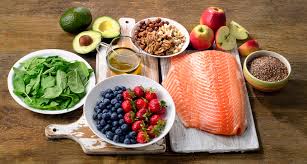
You don’t need expensive “miracle” powders—many common foods are antioxidant powerhouses:
- Berries (blueberries, strawberries, raspberries): Packed with flavonoids that fight inflammation.
- Leafy greens (spinach, kale): Rich in vitamins A, C, and K.
- Nuts and seeds (almonds, sunflower seeds): Contain vitamin E and selenium.
- Colorful veggies (carrots, bell peppers, tomatoes): Carotenoids and vitamin C galore.
- Legumes (beans, lentils): Offer polyphenols and fiber for gut health.
- Green tea: Contains catechins that may reduce oxidative stress.
- Dark chocolate (70% cocoa or more): A tasty source of polyphenols—just enjoy in moderation.
Simple Ways to Boost Antioxidant Intake
- Color Your Plate:
The more colorful your meals, the better. A salad with red peppers, carrots, purple cabbage, and leafy greens packs multiple antioxidants in one dish. - Snack Smart:
Swap chips for nuts or fresh berries. Even a square of dark chocolate can be a healthier alternative to processed sweets. - Choose Whole Foods Over Processed Ones:
Whole foods maintain their natural antioxidants, while heavily processed options often lose these nutrients. - Drink Green Tea or Herbal Teas:
Replace sugary drinks with antioxidant-rich teas to hydrate and protect your cells at the same time. - Cook Lightly:
Overcooking can destroy some antioxidants. Steaming or sautéing veggies lightly keeps their nutrients intact.
Real-Life Example: A Small Change With Big Impact
Sara, a 35-year-old teacher, felt constantly tired and stressed. Instead of overhauling her diet overnight, she started small—adding a handful of blueberries to her breakfast and swapping her afternoon soda for green tea. Within weeks, she felt more energetic and noticed clearer skin. Small, consistent changes like Sara’s can snowball into long-term wellness.
Antioxidants and Lifestyle Balance
While antioxidants are powerful, they’re not magic bullets. Pairing an antioxidant-rich diet with other healthy habits amplifies their benefits:
- Exercise regularly to boost circulation and lower inflammation.
- Manage stress with deep breathing, yoga, or meditation.
- Avoid smoking and limit alcohol to reduce oxidative stress.
- Get quality sleep so your body can repair and rejuvenate overnight.
Final Thoughts
Antioxidants play a critical role in disease prevention, but you don’t need to overcomplicate things. By making small, intentional choices—like adding colorful produce to your meals, sipping green tea, or snacking on nuts—you’re actively protecting your cells and supporting your long-term health.
Think of antioxidants as your body’s everyday superheroes, quietly working in the background to keep you healthy and strong. Start with one or two changes today, and let those little steps create big wellness wins over time.
FAQs
1. Do I need antioxidant supplements for disease prevention?
Not necessarily. Most people can get plenty of antioxidants from a balanced diet rich in fruits, vegetables, nuts, and whole grains. Supplements may help in specific cases, but it’s best to consult a healthcare provider first.
2. Can eating too many antioxidant-rich foods be harmful?
Natural food sources are generally safe, but overusing high-dose antioxidant supplements may cause imbalances. Stick to whole foods for the safest, most effective benefits.
3. What’s the easiest way to add antioxidants to my daily routine?
Start simple: add berries to your breakfast, include a colorful salad with lunch, or enjoy a cup of green tea in the afternoon. Small changes can have a big impact over time.
Would you like me to format this into a downloadable PDF checklist for Fitifys.com readers?