Understanding Polycystic Ovary Syndrome (PCOS): A Friendly Guide
Hey there! If you’ve stumbled across the term PCOS or maybe you’re navigating it yourself, you’re in the right place. Polycystic Ovary Syndrome (PCOS) can feel overwhelming, but let’s break it down together in a way that’s clear, practical, and even a little uplifting. Whether you’re looking for answers or ways to manage it, this guide is here to help you feel informed and empowered. Let’s get started!
What Is PCOS, Anyway?
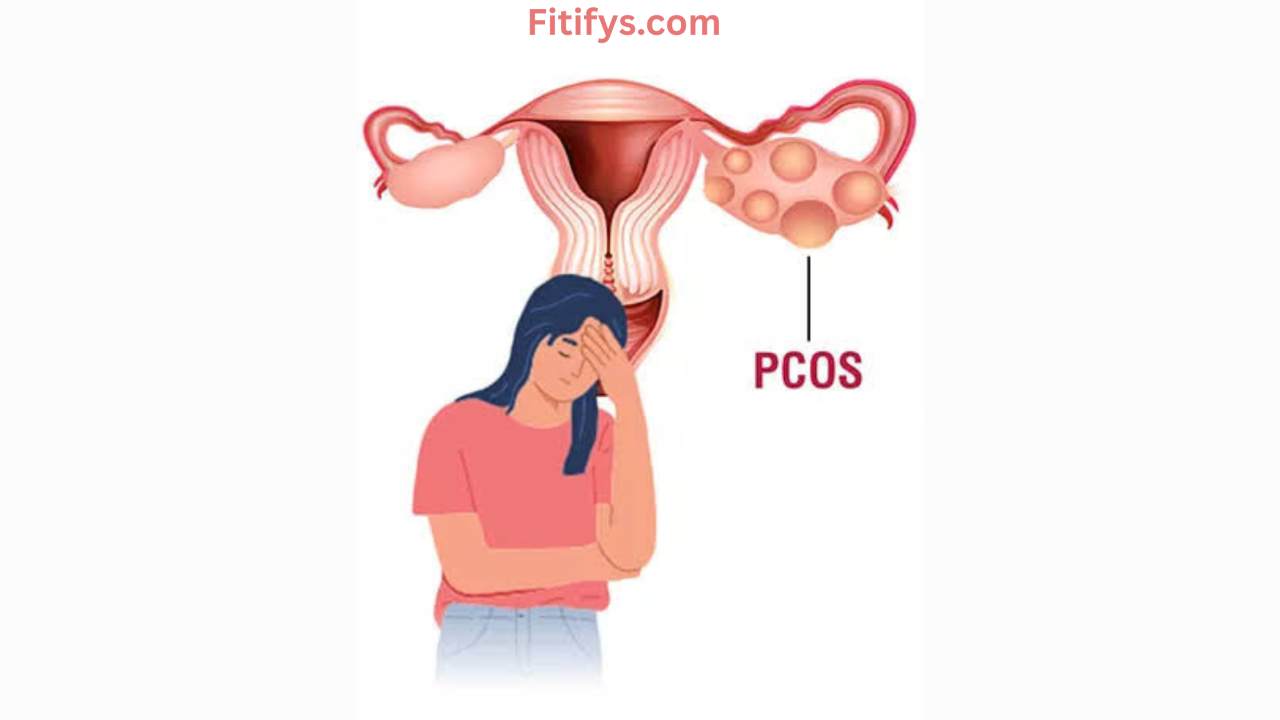
PCOS is a hormonal condition that affects how your ovaries work. It’s one of the most common hormonal disorders for women and those assigned female at birth, impacting about 1 in 10 people of reproductive age. Imagine your body as a finely tuned orchestra—PCOS is like a few instruments playing out of sync, especially when it comes to hormones like insulin and androgens (male hormones that women have in small amounts).
Here’s the deal: PCOS can cause irregular periods, excess hair growth, acne, or even trouble getting pregnant. It’s called “polycystic” because small, fluid-filled cysts may form on the ovaries, but not everyone with PCOS has these cysts, and not everyone with cysts has PCOS. Confusing, right? Don’t worry—we’ll unpack it.
What Causes PCOS?
The exact cause of PCOS isn’t fully pinned down, but it’s likely a mix of genetics and lifestyle factors. If your mom or sister has PCOS, you might be more likely to have it too. Insulin resistance is also a big player—when your body doesn’t use insulin well, it can lead to higher androgen levels, which mess with ovulation and cause other symptoms.
Think of it like this: Sarah, a 28-year-old teacher, noticed her periods were all over the place and she was gaining weight despite eating the same as always. After a doctor’s visit, she learned her insulin resistance was contributing to her PCOS symptoms. Stories like hers are common, and they show how PCOS can sneak up but also be managed with the right approach.
Common Symptoms of PCOS
PCOS shows up differently for everyone, but here are some signs to watch for:
- Irregular Periods: Missing periods, super heavy flows, or cycles that are unpredictable.
- Excess Hair Growth: Hair popping up on your face, chest, or back (aka hirsutism).
- Acne or Oily Skin: Breakouts that feel like they belong in high school, not adulthood.
- Weight Gain: Gaining weight or struggling to lose it, often tied to insulin resistance.
- Fertility Challenges: Trouble getting pregnant due to irregular ovulation.
- Mood Swings: Feeling anxious or down, sometimes linked to hormonal shifts.
If any of these sound familiar, don’t panic. A doctor can run tests (like blood work or an ultrasound) to confirm if it’s PCOS.
How Can You Manage PCOS?
Good news: PCOS is manageable with some lifestyle tweaks and, if needed, medical help. The goal is to balance hormones, reduce symptoms, and feel like your best self. Here’s how you can take charge:
1. Eat for Your Body
Food can be a game-changer. Focus on whole foods—think veggies, lean proteins, and healthy fats like avocado or nuts. Cutting back on processed carbs and sugars can help with insulin resistance. For example, swapping sugary cereal for overnight oats with berries and chia seeds can keep your blood sugar steady.
2. Move Your Body
Exercise doesn’t have to mean marathon running. Even 30 minutes of walking, yoga, or dancing most days can improve insulin sensitivity and lift your mood. Sarah, our teacher from earlier, started doing 20-minute YouTube dance workouts and noticed her energy levels soared.
3. Manage Stress
Stress can make PCOS symptoms worse by spiking cortisol, another hormone. Try mindfulness, journaling, or even a cozy evening with a good book. Find what calms you down and make it a habit.
4. Work with Your Doctor
Medications like birth control pills can regulate periods, while metformin might help with insulin resistance. For fertility, treatments like ovulation-inducing meds could be an option. Always chat with a healthcare provider to find what’s right for you.
5. Build a Support System
PCOS can feel isolating, but you’re not alone. Connect with others through online communities or local support groups. Sharing tips with someone who gets it can make a big difference.
Why It’s Worth Taking Action
Managing PCOS isn’t just about tackling symptoms—it’s about feeling like you again. Small changes can lead to big wins, like more regular periods, clearer skin, or even a boost in confidence. Plus, addressing PCOS early can lower the risk of long-term issues like diabetes or heart disease.
At Fitifys, we’re all about helping you live your healthiest life. Whether it’s finding workout routines that feel fun or meal plans that work for PCOS, we’ve got resources to support you. You’re stronger than you think, and you’ve got this!
FAQs About PCOS
Q: Can I still get pregnant with PCOS?
A: Absolutely, many people with PCOS have healthy pregnancies! It might take extra effort, like tracking ovulation or working with a fertility specialist, but it’s very possible. Talk to your doctor about options like lifestyle changes or medications to boost ovulation.
Q: Does PCOS mean I’ll always gain weight?
A: Not necessarily. Weight gain can be a challenge due to insulin resistance, but eating balanced meals, staying active, and managing stress can help maintain a healthy weight. Everyone’s body is different, so focus on what feels good for you.
Q: Is PCOS curable?
A: There’s no cure yet, but you can manage symptoms effectively with lifestyle changes and medical support. Think of it as a condition you can work with, not a roadblock.
Final Thoughts
PCOS might feel like a lot, but it’s not the boss of you. With the right tools—healthy habits, a supportive doctor, and a sprinkle of self-love—you can manage it and thrive. Check out Fitifys for more tips on living well with PCOS. You’re not alone, and every step you take is a win!