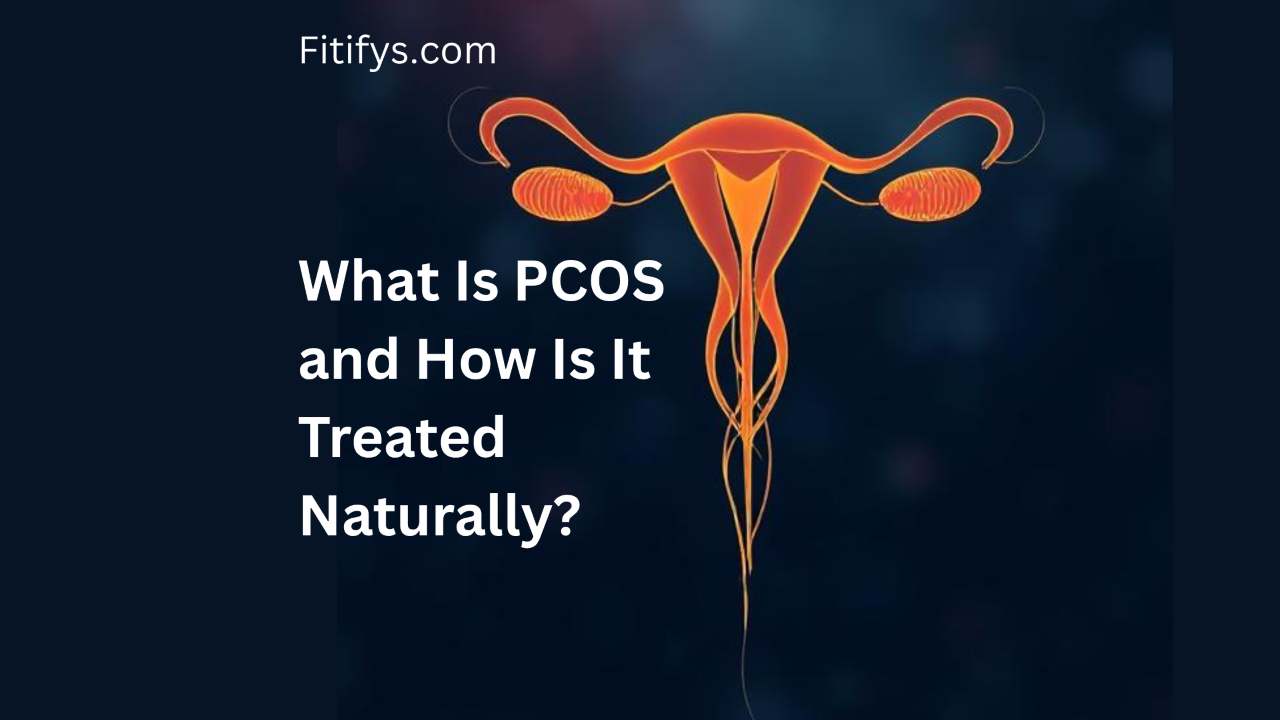
What Is PCOS and How Is It Treated Naturally?
Real Talk About Symptoms, Causes, and What You Can Do to Feel Better—Naturally
PCOS. Three little letters that can make a big impact on your health, your hormones, and your confidence.
If you’ve been told you might have Polycystic Ovary Syndrome (PCOS), you might feel overwhelmed, confused, or even frustrated. Maybe your cycles are all over the place, your skin’s breaking out like you’re 15 again, or your energy’s totally zapped.
First off: you’re not alone.
And second: there are natural ways to manage PCOS—and start feeling like yourself again.
Let’s break it all down, in simple language, without the scare tactics. Just real info and practical steps you can take.
So… What Is PCOS, Anyway?
PCOS is a hormonal imbalance that affects how your ovaries work. It’s super common—affecting up to 1 in 10 women of reproductive age.
Here’s what’s typically happening with PCOS:
- Your body produces higher-than-normal androgens (a.k.a. “male hormones” like testosterone)
- This can interfere with ovulation (when your body releases an egg)
- It can also cause irregular periods, acne, excess hair growth, weight gain, and even fertility struggles
Despite the name, not all women with PCOS have cysts on their ovaries.
Common Signs You Might Have PCOS
If you’re nodding “yes” to several of these, it might be time to talk to a doctor:
- Irregular or missed periods
- Unexplained weight gain (especially around the belly)
- Acne that won’t quit
- Hair thinning or hair loss on the scalp
- Excess facial or body hair (like on the chin, chest, or stomach)
- Difficulty getting pregnant
- Mood swings or anxiety
- Fatigue or low energy
Heads up: PCOS is usually diagnosed based on symptoms, bloodwork, and an ultrasound—not just one single test.
Why It Happens: The PCOS Puzzle
The exact cause of PCOS isn’t totally known, but two big factors are often involved:
- Insulin resistance – Your body struggles to use insulin properly, which can lead to higher blood sugar and weight gain.
- Hormonal imbalance – Especially higher levels of androgens, which mess with your menstrual cycle and ovulation.
There’s also a genetic link—so if your mom, sister, or aunt has PCOS, you’re more likely to have it too.
Can PCOS Be Cured?
Let’s keep it real:
There’s no “cure” for PCOS, but it can be managed—and in many cases, symptoms can be dramatically improved with the right lifestyle changes.
Some people use medications like birth control or metformin, but many others see huge benefits through natural, non-medicated approaches.
Natural Ways to Manage PCOS (That Actually Work)
Here’s where it gets hopeful: small, consistent lifestyle changes can make a big difference.
1. Eat for Blood Sugar Balance
The goal is to keep your blood sugar stable—which helps reduce insulin resistance and calm hormonal chaos.
Focus on:
- High-fiber foods (vegetables, legumes, whole grains)
- Lean proteins (chicken, tofu, fish, Greek yogurt)
- Healthy fats (avocados, nuts, olive oil)
- Low-sugar fruits (berries, apples, pears)
Avoid or limit:
- Sugary drinks and snacks
- White bread, pasta, and refined carbs
- Ultra-processed foods
Fitifys Tip: Try pairing carbs with protein or fat to slow down sugar spikes—like apple slices with peanut butter or oats with chia seeds and almonds.
2. Move Your Body—Gently but Consistently
You don’t need to hit the gym hard. The key is regular movement that supports insulin sensitivity and hormone balance.
Great PCOS-friendly workouts:
- Walking
- Strength training
- Yoga or Pilates
- Low-impact cardio (like swimming or cycling)
Even 20–30 minutes a day can help improve energy, mood, and cycle regularity.
3. Prioritize Sleep & Lower Stress
High stress = high cortisol = more hormone imbalance.
Sleep and stress are often overlooked, but they’re crucial for PCOS.
Try this:
- Go to bed and wake up at the same time daily
- Limit caffeine after 2 PM
- Practice stress-relief habits: deep breathing, journaling, reading, nature walks
A calm nervous system = happier hormones.
4. Support With Supplements (Talk to Your Doc First)
Some women with PCOS find certain supplements helpful—but always check with your doctor before adding anything new.
Common natural supports:
- Inositol (myo + d-chiro) – helps regulate insulin and cycles
- Magnesium – supports blood sugar and stress
- Vitamin D – often low in women with PCOS
- Omega-3s – fights inflammation and supports hormones
5. Track Your Symptoms
Apps like Flo, Clue, or MyFLO help you monitor your cycle, mood, and symptoms.
This isn’t about obsessing—it’s about knowing your body better, so you can make choices that support it.
Real-Life Story: “I Took Back Control Without Meds”
Sana, 28, struggled with PCOS for years—irregular cycles, painful periods, and sudden weight gain. She started walking every morning, swapped out sugary snacks, and added inositol and vitamin D.
“Within 3 months,” she says, “my skin was clearer, my period was regular, and I actually felt good in my body again.”
Final Thoughts: You Are Not Broken
PCOS can feel like it’s hijacking your health—but it doesn’t define you.
With small daily shifts and consistent care, you can take back control.
Start with one change. Maybe it’s a daily walk. Or swapping white bread for whole grain. Or going to bed 30 minutes earlier.
You’re not failing if progress feels slow. Healing isn’t linear—but it is possible.
FAQs
1. Can I still get pregnant if I have PCOS?
Yes! PCOS may make it harder to conceive, but many women with PCOS go on to have healthy pregnancies—especially with the right lifestyle support and, if needed, medical treatment.
2. Is weight gain always part of PCOS?
Not always. Some women with PCOS are lean, but many do experience weight gain—especially around the belly—due to insulin resistance. Managing blood sugar can help prevent or reverse this.
3. Does PCOS ever go away?
PCOS doesn’t have a cure, but symptoms can come and go based on lifestyle, stress levels, and hormone shifts. Many women find that with consistent self-care, PCOS becomes much easier to manage.