
Which Diet Is Better for Weight Loss?
Let’s Break It Down Simply (Without the Hype)
Keto. Intermittent fasting. Paleo. Low-fat. Mediterranean.
If you’ve ever tried to lose weight, you’ve probably seen dozens of “best” diets come and go. And if you’re confused about which one actually works, you’re not alone.
The truth? There’s no one-size-fits-all answer.
The best diet is the one you can stick with, enjoy, and that works for your body.
Let’s look at the most popular weight loss diets out there—what they are, how they work, and who they might be best for—without the complicated science or hype.
1. The Mediterranean Diet: Balanced & Sustainable
What it is:
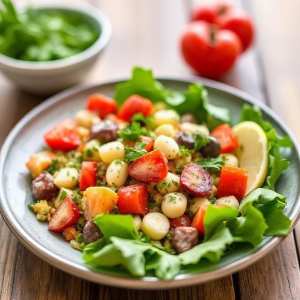
Inspired by the eating habits of people in places like Greece and Italy, the Mediterranean diet focuses on real, whole foods—especially plants, healthy fats, and lean proteins.
What you’ll eat:
- Lots of vegetables, fruits, and legumes
- Whole grains (like oats, brown rice, quinoa)
- Healthy fats (olive oil, nuts, seeds)
- Fish, poultry, and a little dairy
- Occasional red wine
Why it works for weight loss:
It’s not restrictive and encourages mindful eating, which often leads to natural calorie reduction and less processed food.
Best for:
People who love variety and want a heart-healthy, lifestyle-based approach rather than a strict “diet.”
Bonus: It’s backed by tons of research for long-term health benefits.
2. The Low-Carb Diet (Including Keto): Fast but Intense
What it is:
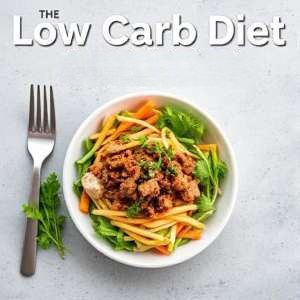
Low-carb diets cut back on carbohydrates (like bread, pasta, and sugar) and focus more on fats and protein. Keto is the strictest version, with super low carbs and high fat.
What you’ll eat:
- Meat, eggs, cheese, and oils
- Leafy greens and non-starchy veggies
- No sugar, bread, pasta, or most fruit
Why it works for weight loss:
Low-carb diets reduce insulin levels and can lead to fast fat burning, especially in the early weeks. Keto can even suppress appetite for some people.
Best for:
Those who don’t mind skipping carbs and enjoy high-fat meals like bacon, eggs, and avocados.
Watch out: Not everyone feels great on keto—some experience fatigue, cravings, or mood swings (aka the “keto flu”).
3. Intermittent Fasting: When You Eat, Not Just What You Eat

What it is:
Intermittent fasting (IF) is more about when you eat than what you eat. The most popular style is the 16:8 method—16 hours of fasting, 8 hours of eating.
What it looks like:
- No food after dinner (say 8pm), then skip breakfast
- Eat lunch and dinner within an 8-hour window
- You still eat normal meals—just within a shorter time frame
Why it works for weight loss:
Fewer eating hours = fewer calories for many people. Fasting also helps improve insulin sensitivity and may reduce cravings.
Best for:
People who don’t like eating early or want a simple structure without food rules.
Tip: Coffee, tea, and water are fine during the fasting window—just no calories.
4. Plant-Based Diets: Clean Eating with a Focus on Plants
What it is:
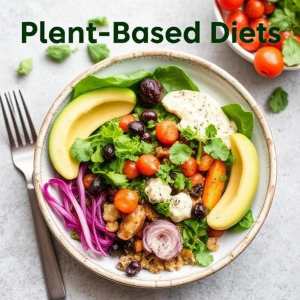
This includes vegetarian and vegan diets, which avoid or minimize animal products. Focus is on whole plant foods and reducing processed foods.
What you’ll eat:
- Vegetables, fruits, beans, lentils, nuts, seeds
- Whole grains (brown rice, oats, quinoa)
- No meat; vegans skip dairy and eggs too
Why it works for weight loss:
Plant foods are lower in calories and high in fiber, which helps you feel full and satisfied with less food.
Best for:
People who care about health, animal welfare, or the environment—and are comfortable without meat or dairy.
Real talk: It’s not “just salads.” A plant-based diet can be filling and fun with the right recipes.
5. Calorie Tracking / Flexible Dieting (a.k.a. IIFYM)
What it is:
“If It Fits Your Macros” (IIFYM) is a method where you track everything you eat, focusing on your calorie and macronutrient targets—carbs, protein, and fat.
What you’ll eat:
Anything you want—as long as it fits into your daily calorie goals.
Why it works for weight loss:
You become more aware of your eating habits and control portion sizes without cutting out foods you love.
Best for:
People who like structure, love data, or want the freedom to eat pizza and still hit goals.
Tip: Use apps like MyFitnessPal or Cronometer for easy tracking.
So… Which Diet Is Better for Weight Loss?
The honest answer? Whichever one you can stick to long-term.
Here’s a simple comparison:
| Diet Style | Flexibility | Speed of Results | Long-Term Ease |
|---|---|---|---|
| Mediterranean | High | Moderate | Excellent |
| Low-Carb/Keto | Low | Fast | Hard for some |
| Intermittent Fasting | Moderate | Moderate | Great once you adapt |
| Plant-Based | Moderate | Steady | Excellent if planned well |
| Calorie Tracking | High | Variable | Good for number-lovers |
If you’re just starting, the Mediterranean or intermittent fasting approach tends to be easiest and most sustainable for most people.
Real-Life Example: Sarah’s Journey
Sarah, 37, started with keto and lost 15 pounds in a month—but felt tired and missed carbs. She shifted to a Mediterranean style with intermittent fasting and now feels energized, satisfied, and has kept the weight off for over a year.
“The key wasn’t just what I ate—it was learning to listen to my body,” she says.
Final Tips for Choosing the Right Diet
- Start simple. Don’t overhaul your life in one day. Small changes work best.
- Focus on whole foods. Whatever diet you choose, real food is always the win.
- Stay hydrated. Often overlooked, but so important.
- Watch emotional eating. Stress and boredom eating can sneak up on any plan.
- Be kind to yourself. No diet will be perfect. Progress > perfection.
FAQs
1. Is keto better than intermittent fasting for weight loss?
It depends. Keto may offer faster weight loss early on, but intermittent fasting tends to be easier to stick with for many people. Combining both is also an option.
2. Can I switch between diets?
Absolutely. You might start with one and realize another fits your life better. The key is finding a rhythm that works for you.
3. Do I have to give up my favorite foods to lose weight?
No! The best diets make room for enjoyment. It’s more about how much and how often you eat certain foods, not cutting them out entirely.