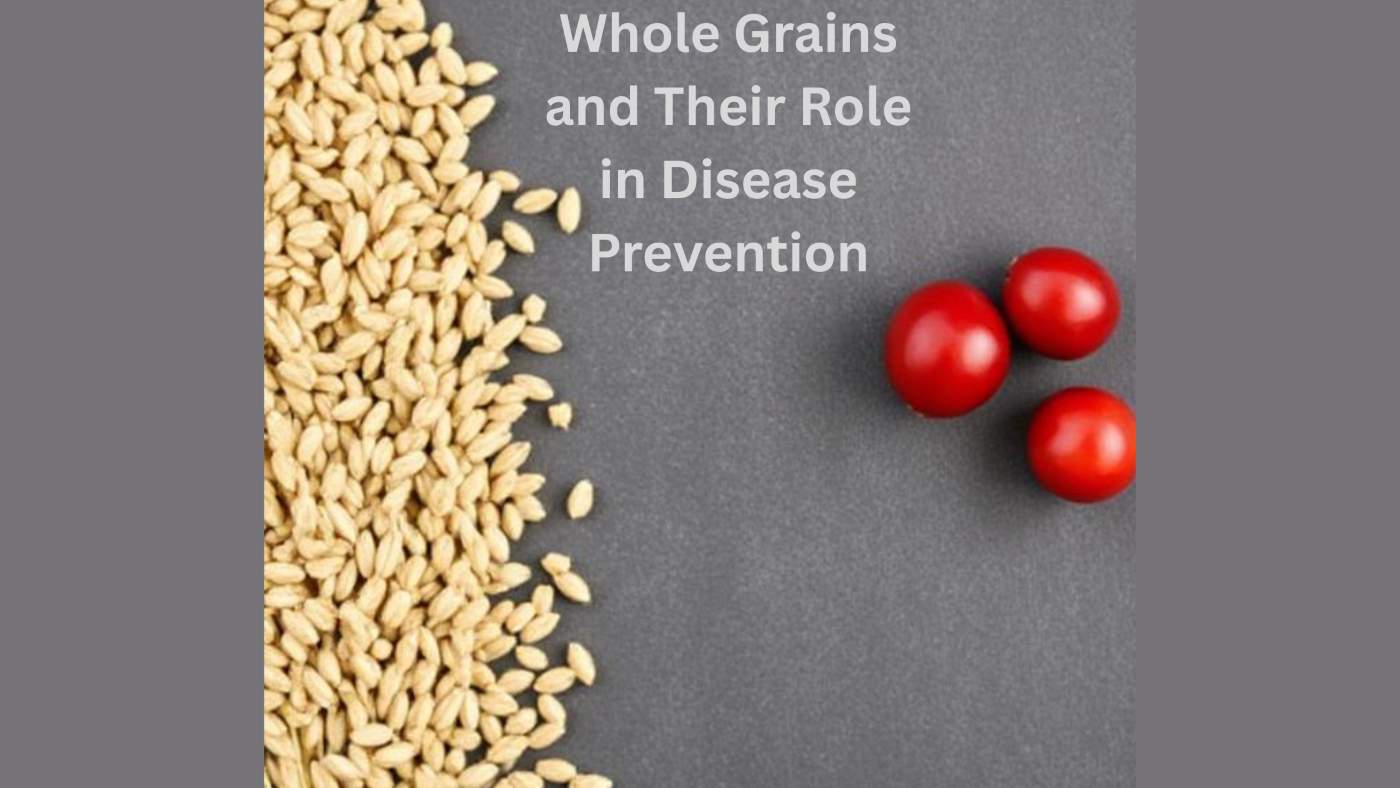
Whole Grains and Their Role in Disease Prevention
When it comes to eating healthier, most of us think about cutting sugar or avoiding fried foods. But there’s one powerful food group that often doesn’t get the spotlight it deserves — whole grains. These tiny powerhouses are packed with nutrients that support your heart, digestion, weight management, and even disease prevention.
If you’ve ever wondered why health experts keep recommending whole grains, or how they can actually protect your body from disease, this article is for you. Let’s unpack what makes them so special and how you can easily add more of them to your diet.
What Are Whole Grains, Exactly?
Before we jump into their benefits, it’s important to understand what whole grains actually are.
A whole grain contains all three parts of the grain kernel:
- Bran – the outer layer that’s rich in fiber, B vitamins, and antioxidants
- Germ – the nutrient-dense core packed with vitamins, healthy fats, and minerals
- Endosperm – the inner layer that provides carbohydrates and protein
When grains are refined (like white rice or white bread), the bran and germ are stripped away, leaving behind mostly carbs with very little nutrition. That’s why whole grains are the smarter choice — they keep all the good stuff intact.
Health Benefits of Whole Grains
Whole grains do much more than just “help you feel full.” They play a big role in keeping your entire body healthy. Let’s look at some of the science-backed benefits.
1. Whole Grains and Heart Disease Prevention
Heart disease remains one of the top health challenges worldwide — but whole grains can help lower that risk.
Research shows that people who eat more whole grains have lower cholesterol levels, reduced blood pressure, and better overall heart function. That’s because the fiber found in grains like oats, brown rice, and quinoa helps remove “bad” LDL cholesterol from the body while promoting healthy blood flow.
Try starting your day with oatmeal topped with berries or swapping white rice for brown rice or farro at dinner. Small swaps like these can make a big difference.
2. Whole Grains and Diabetes Control
Whole grains have a lower glycemic index, meaning they cause a slower rise in blood sugar compared to refined grains. This makes them especially beneficial for people with diabetes or those at risk.
The fiber in whole grains helps regulate how your body processes sugar, preventing spikes and crashes that often lead to fatigue or overeating later.
If you’re managing blood sugar, try incorporating:
- Barley – great for soups and stews
- Buckwheat – excellent for pancakes or salads
- Quinoa – a protein-rich option for bowls and side dishes
3. Whole Grains Support Digestive Health
You’ve probably heard that fiber keeps your digestion on track, but whole grains take it a step further. The fiber acts like a broom for your intestines, sweeping away waste and promoting healthy gut bacteria.
This not only helps with regular bowel movements but also boosts your immune system — since a lot of your immunity actually starts in your gut.
If you struggle with bloating or irregular digestion, try adding small amounts of whole-wheat pasta, bulgur, or rolled oats into your meals and increase your fiber intake gradually.
4. Whole Grains Help With Weight Management
Here’s something many people overlook: whole grains can actually help you lose or maintain weight.
Because of their high fiber content, they keep you feeling full longer, reducing unnecessary snacking and overeating. They also help stabilize blood sugar, preventing energy crashes that often lead to cravings for sugary snacks.
In short, whole grains help you stay satisfied while supporting a healthy metabolism — a win-win for anyone aiming for sustainable weight management.
5. Whole Grains Reduce Inflammation
Chronic inflammation is linked to diseases like arthritis, cancer, and heart disease. Thankfully, whole grains are packed with antioxidants and anti-inflammatory compounds that help calm your body’s internal inflammation.
Regularly eating foods like quinoa, brown rice, and whole oats has been shown to lower inflammation markers in the body, helping you feel more energetic and resilient over time.
The Nutrients in Whole Grain Foods
It’s not just the fiber — whole grains are a nutritional powerhouse. They contain:
- B vitamins for energy and brain health
- Iron and magnesium for muscle function and oxygen transport
- Zinc and selenium for immunity and healing
- Healthy fats (from the germ) for heart and hormone balance
When you think about it, whole grains are like nature’s multivitamin — but better, because they come with all the natural goodness your body can actually use.
Best Whole Grains for a Healthy Diet
Wondering which whole grains are worth adding to your shopping list? Here are some of the best (and tastiest) options:
- Oats – ideal for breakfast and great for heart health
- Quinoa – gluten-free and high in protein
- Brown Rice – easy to cook and rich in minerals
- Barley – fantastic for soups and stews
- Bulgur – perfect in salads like tabbouleh
- Whole Wheat – great for bread, pasta, and baking
- Millet – gluten-free and nutrient-dense
You don’t need to eat all of them — just pick two or three that fit your taste and lifestyle.
Whole Grains and Longevity
People who regularly eat whole grains tend to live longer and stay healthier as they age. That’s because these foods support:
- Healthy cholesterol and blood sugar levels
- Better digestion and weight stability
- Reduced inflammation and oxidative stress
It’s no wonder that whole grains are a key part of longevity diets like the Mediterranean and DASH diets — both of which are known to reduce disease risk and promote overall wellness.
Simple Tips to Add More Whole Grains to Your Day
Incorporating whole grains doesn’t have to be complicated. Here are some easy, everyday ways to make the switch:
- Start with breakfast: Choose oatmeal or whole-grain toast instead of sugary cereal.
- Swap your sides: Replace white rice or pasta with brown rice, quinoa, or whole wheat pasta.
- Try whole-grain snacks: Go for popcorn (without too much butter), whole-grain crackers, or homemade granola.
- Experiment in baking: Use whole wheat flour for muffins, pancakes, or bread.
- Mix it up: Combine refined and whole grains at first if you’re adjusting to the texture or taste.
Over time, your body — and taste buds — will thank you.
Whole Grains for Long-Term Wellness
The beauty of whole grains is that they don’t just offer short-term benefits like better digestion or energy. They support your long-term health by lowering your risk for serious diseases, improving your overall vitality, and helping you stay active and strong as you age.
In short, making whole grains a regular part of your diet is one of the simplest and most effective ways to protect your health naturally.
Final Thoughts
When it comes to disease prevention, there’s no single “magic food.” But whole grains come pretty close. They’re affordable, versatile, and packed with nutrients that help your body thrive from the inside out.
So next time you’re at the store, reach for the brown rice instead of white, the whole wheat bread instead of refined, and start building your meals around these nutritional all-stars.
Your heart, your gut, and your future self will thank you for it.
FAQs About Whole Grains and Disease Prevention
1. How much whole grain should I eat each day?
Most health experts recommend at least three servings of whole grains per day. For example, one slice of whole-grain bread, a half-cup of cooked brown rice, or a bowl of oatmeal each count as one serving.
2. Are all brown foods considered whole grains?
Not necessarily. Just because something looks brown doesn’t mean it’s whole grain. Always check the label — it should say “100% whole grain” or list a whole grain (like whole wheat or oats) as the first ingredient.
3. Can I eat whole grains if I’m gluten intolerant?
Yes — many whole grains are naturally gluten-free, such as quinoa, brown rice, buckwheat, millet, and amaranth. Just be sure to buy certified gluten-free versions if you have celiac disease or gluten sensitivity.