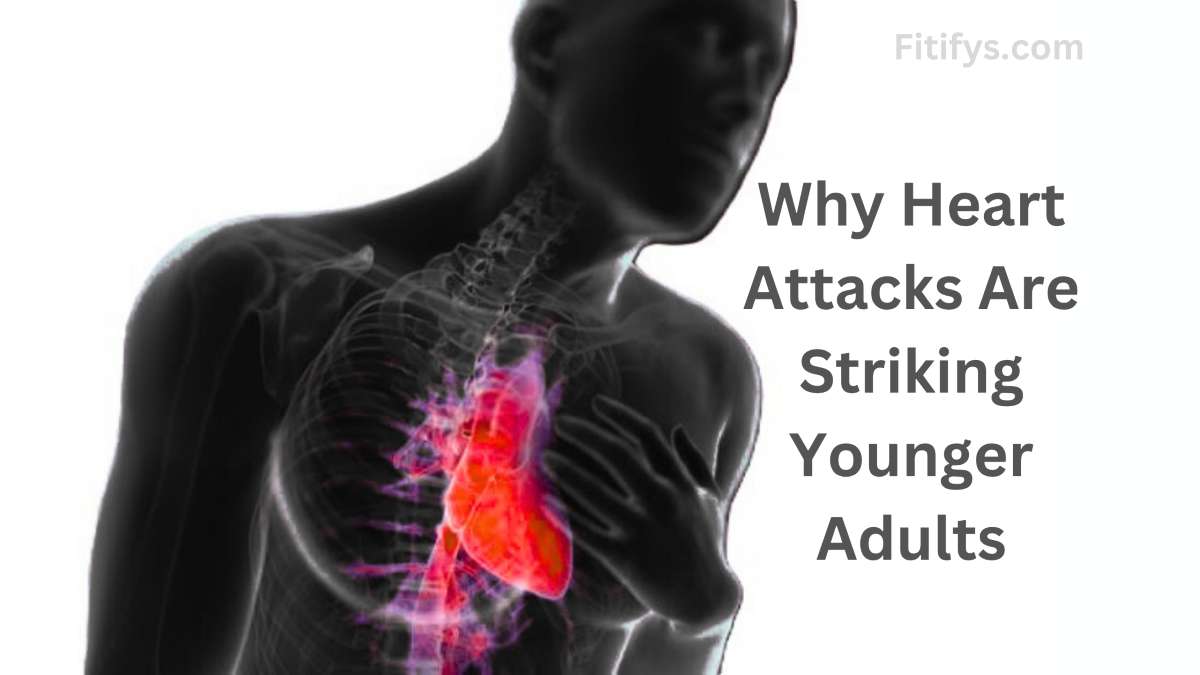
Why Heart Attacks Are Striking Younger Adults
We used to think of heart attacks as something that only happened to older folks—usually men in their 60s and 70s. But that’s changing fast. Early onset heart disease.
Today, more young adults in their 20s, 30s, and 40s are showing up in emergency rooms with heart attacks. Surprised? You’re not alone. It’s a trend that’s catching doctors (and patients) off guard.
Let’s talk about why this is happening and what you can do to protect your heart—no matter your age.
The Shocking Truth: Heart Attacks Aren’t Just for “Old People” Anymore
You might hear stories like this:
“My friend’s cousin was only 32. He looked totally healthy, didn’t even smoke. Then one morning—boom—a heart attack.”
These stories are becoming more common, and here’s why.
What’s Causing the Rise in Heart Attacks Among Young Adults?
1. Sedentary Lifestyle (Aka: We Sit Too Much)
Thanks to laptops, phones, remote jobs, and binge-worthy streaming shows, we’re spending more time than ever just sitting. And when we’re not moving, our hearts aren’t getting the exercise they need to stay strong.
The risk: Sitting for long hours can lead to weight gain, high blood pressure, and poor circulation—key contributors to heart problems.
2. Ultra-Processed Diets
Let’s be honest—fast food, frozen meals, energy drinks, and packaged snacks are convenient. But they’re also loaded with:
- Added sugars
- Unhealthy fats
- Too much salt
These ingredients raise cholesterol and blood pressure, damage blood vessels, and increase the risk of clogged arteries.
3. High Stress and Burnout Culture
Stress isn’t just a mental issue—it physically affects your body, especially your heart. Chronic stress releases hormones like cortisol and adrenaline, which can increase heart rate and blood pressure.
Real-life example:
Amanda, 29, worked in marketing and was constantly juggling deadlines. She started getting chest pains but assumed it was just anxiety. One ER visit later, doctors found early signs of heart disease.
4. More Cases of Diabetes and Obesity in Young People
Type 2 diabetes and obesity were once thought of as “middle-age problems,” but not anymore. These conditions put extra strain on the heart and make blood vessels more vulnerable to damage.
5. Skipping Preventive Checkups
Young adults often assume they’re too healthy to need regular doctor visits. But high blood pressure, cholesterol, or early signs of heart trouble can exist without any symptoms.
Warning Signs to Watch For (Even if You’re Young)
Heart attack symptoms in young adults might be easy to miss or brush off. Here’s what to look out for:
- Chest tightness or pain (even if it goes away quickly)
- Pain that spreads to the arm, neck, jaw, or back
- Shortness of breath during light activity
- Dizziness or lightheadedness
- Cold sweats or extreme fatigue
If something feels off, trust your instincts. Get it checked out. Better safe than sorry.
6 Simple Ways to Protect Your Heart (Starting Today)
1. Move More—Even a Little Counts
You don’t need to hit the gym for two hours. Just 30 minutes of brisk walking, biking, dancing, or even housework can help your heart.
Try this:
- Take the stairs instead of the elevator.
- Go for a walk during lunch breaks.
- Stretch every hour if you’re working from a desk.
2. Eat Foods That Love Your Heart Back
Focus on real, whole foods most of the time:
- Leafy greens (spinach, kale)
- Berries and colorful fruits
- Oats, quinoa, brown rice
- Salmon, beans, lentils
- Olive oil, nuts, and seeds
Swap out fried, salty, or sugary foods for heart-friendlier versions.
3. Get Enough Sleep
Aim for 7–9 hours each night. Sleep is when your body repairs itself—including your heart. Poor sleep is linked to high blood pressure and increased risk of heart disease.
4. Chill Out Your Stress
You can’t always avoid stress, but you can control how you deal with it:
- Deep breathing or meditation
- Journaling or talking it out
- Getting outdoors
- Unplugging from your phone for a bit
5. Cut Back on Smoking and Vaping
Even occasional smoking or vaping increases your heart attack risk. Tobacco and nicotine damage blood vessels, raise blood pressure, and thicken your blood.
If quitting feels overwhelming, talk to your doctor or try small steps to cut back.
6. Know Your Numbers
Get a basic checkup that includes:
- Blood pressure
- Cholesterol
- Blood sugar
- Weight/BMI
This simple snapshot can help you catch problems before they get serious.
Real Talk: You’re Never “Too Young” to Care About Your Heart
It’s easy to feel invincible in your 20s or 30s. But heart health isn’t about age—it’s about habits.
Start now. Make small changes. Pay attention to how your body feels. It’s not about fear—it’s about giving your future self the best chance at a healthy, active life.
FAQs
Q1: I’m under 30 and pretty fit. Am I still at risk for a heart attack?
A: While being fit helps, it’s not a guarantee. Things like genetics, stress, or undiagnosed conditions (like high blood pressure) can still raise your risk. It’s smart to stay active and get regular checkups.
Q2: What’s the biggest warning sign of a heart attack in young adults?
A: The most common is chest discomfort—but it’s often mistaken for heartburn, anxiety, or fatigue. If you notice unusual symptoms (especially during rest or light activity), get it checked immediately.
Q3: Can lifestyle changes really make a difference?
A: 100% yes. Simple habits—like eating better, moving more, and managing stress—can lower your risk dramatically. Even small changes, done consistently, add up to a much healthier heart.
Final Thoughts
Heart attacks in young adults aren’t just rare flukes anymore. But the good news? You have more control than you think.
Start by improving your diet, getting more exercise, getting enough sleep, and paying attention to your body. Give your heart a little love in return for all that it does for you.
We’re here to help you live strong, feel good, and stay safe. Visit Fitifys.com for more heart-smart advice, nutritious recipes, and simple fitness ideas.